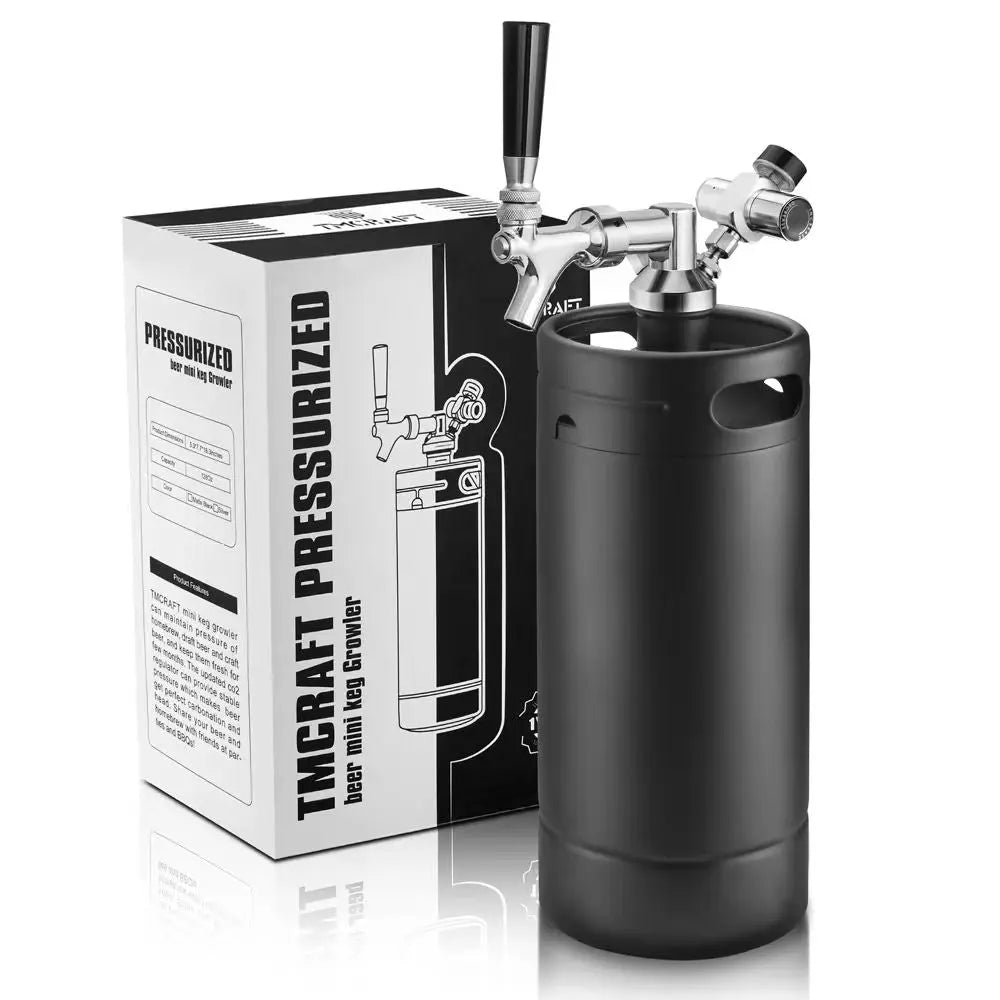


Ball Lock Keg Setup Guide: How to Build a Reliable Home Draft Beer System
Primary Keyword
Secondary Keywords
ball lock keg system, home brewing keg, stainless steel ball lock keg, draft beer system, keg carbonation, home draft setup
Introduction: Why a Reliable Draft System Matters
Home brewing has become increasingly popular, and many brewers are now looking beyond bottles for better ways to store and serve their beer. While bottling works, it often introduces extra cleaning work, inconsistent carbonation, and potential oxygen exposure.
A ball lock keg offers a more controlled alternative. Instead of sealing beer in individual bottles, brewers can store an entire batch inside a pressurized keg and dispense it like a professional draft system.
For many home brewers, switching to a ball lock keg system represents a major upgrade in both convenience and beer quality. Proper setup allows brewers to manage carbonation levels, maintain freshness, and enjoy consistent pours with minimal effort.
This guide explains how ball lock kegs work, what components are required, and how to build a reliable home draft beer system.
What Is a Ball Lock Keg?
A ball lock keg is a pressurized stainless steel container designed to store and dispense carbonated beverages. The name comes from the small stainless steel ball bearings inside the connectors that lock gas and liquid lines securely to the keg posts.
Originally developed for the soft drink industry, ball lock kegs became popular with home brewers because they are durable, easy to maintain, and compatible with a wide range of draft equipment.
A typical ball lock keg system includes several essential parts:
- Stainless steel keg body
- Gas-in post
- Liquid-out post
- Dip tubes inside the keg
- Removable lid with pressure relief valve
These components allow beer to remain sealed under pressure while being dispensed smoothly through a tap.
Why Home Brewers Prefer Ball Lock Kegs
Compared with traditional bottling methods, a home brewing keg offers several advantages.
Easier Cleaning
Cleaning a single keg is much faster than cleaning dozens of bottles. Brewers can simply rinse, sanitize, and refill the keg.
Consistent Carbonation
Because the keg connects to a CO₂ regulator, brewers can precisely control carbonation levels rather than relying on bottle conditioning.
Faster Serving
Instead of waiting weeks for bottles to condition, beer can be carbonated inside the keg and served sooner.
These benefits make the ball lock keg system a popular choice for modern home brewing setups.
Key Components of a Ball Lock Keg System
Building a reliable draft system requires several pieces of equipment working together.
Ball Lock Keg
The keg itself is the central component. A stainless steel ball lock keg is designed to withstand internal pressure while protecting beer from light and oxygen.
Most home brewers use a standard 5-gallon keg, which matches the typical batch size for home brewing recipes.
CO₂ Tank
The CO₂ tank supplies gas to the keg. Carbon dioxide maintains pressure inside the keg and pushes beer through the draft line when pouring.
Tank sizes vary, but many home brewers use 5-lb or 10-lb tanks.
Regulator
A regulator controls how much pressure flows from the CO₂ tank into the keg. This allows brewers to set precise carbonation levels.
For example:
- Lower pressure for stouts
- Higher pressure for wheat beers
The regulator is essential for maintaining stable carbonation.
Gas and Liquid Disconnects
Ball lock kegs use quick-disconnect fittings that attach to the gas and liquid posts.
These connectors allow brewers to quickly attach or remove lines from the keg without tools.
Draft Tap or Faucet
Finally, the draft tap allows beer to be dispensed. Taps can be mounted on:
- Kegerators
- Portable draft systems
- Picnic-style taps
Regardless of the configuration, the tap completes the home draft setup.
Understanding Carbonation in a Ball Lock Keg
Carbonation inside a keg depends on two variables: temperature and pressure.
When CO₂ pressure increases, more gas dissolves into the beer. When pressure decreases, carbonation escapes.
A ball lock keg system allows brewers to control this balance precisely.
For example:
- 10–12 PSI for most ales
- 12–14 PSI for lagers
- Lower pressures for stouts
By adjusting regulator settings, brewers can fine-tune the carbonation level to match the beer style.
Common Carbonation Methods
Brewers typically use one of three carbonation techniques with a ball lock keg.
Set and Forget
This method involves setting the regulator to the desired pressure and waiting several days for carbonation to reach equilibrium.
It is simple and produces consistent results.
Burst Carbonation
In this method, brewers apply higher pressure for a short time to speed up carbonation.
Afterward, the pressure is reduced to serving levels.
Natural Conditioning
Some brewers add a small amount of priming sugar directly to the keg, similar to bottle conditioning.
This creates natural carbonation while still allowing pressure adjustments afterward.
Choosing the Right Ball Lock Keg Size
Although the standard size is 5 gallons, ball lock kegs also come in smaller capacities.
2.5–3 Gallon Kegs
Ideal for experimental batches or limited refrigerator space.
5 Gallon Kegs
Most common size for home brewing batches.
Slim Kegs
Designed to fit compact refrigerators or portable setups.
Choosing the right size depends on brewing volume and available storage space.
Cleaning and Maintaining Ball Lock Kegs
Proper maintenance ensures that a ball lock keg system continues performing reliably.
Recommended cleaning steps include:
- Rinse the keg immediately after emptying
- Use a brewery-safe cleaning solution
- Disassemble posts and dip tubes periodically
- Replace worn O-rings when necessary
Regular cleaning prevents contamination and protects beer flavor.
Troubleshooting Common Draft Problems
Even well-built draft systems can experience occasional issues.
Excessive Foam
This is often caused by:
- Too much pressure
- Warm beer
- Long or short draft lines
Adjusting temperature and pressure typically resolves the issue.
Flat Beer
Flat pours usually indicate:
- Insufficient CO₂ pressure
- Gas leaks
- Poor carbonation
Checking regulator settings and connections can solve the problem.
Slow Pouring
Blockages in dip tubes or draft lines may restrict flow. Cleaning the system usually restores normal pouring speed.
Ball Lock Kegs Beyond Beer
Although they are primarily used in brewing, ball lock kegs can also store and dispense other beverages.
Common examples include:
- Kombucha
- Hard seltzer
- Sparkling water
- Cold brew coffee
Because they support pressure control, these kegs are versatile for many carbonated drinks.
Why TMCRAFT Ball Lock Kegs Are Built for Reliability
TMCRAFT ball lock kegs are designed to support long-term home brewing use.
Key features include:
- Durable stainless steel construction
- Precision-machined posts for secure connections
- Replaceable seals and O-rings
- Pressure relief valves for safe operation
These features allow brewers to maintain stable carbonation and consistent draft performance.
Final Thoughts: Ball Lock Kegs Simplify Home Draft Beer
For brewers seeking a reliable way to serve beer at home, a ball lock keg offers a practical solution. It combines carbonation control, reduced cleaning time, and professional-style dispensing in one system.
Compared with traditional bottling, a well-designed ball lock keg system simplifies the brewing workflow and improves the overall drinking experience.
By understanding the setup and maintaining the equipment properly, home brewers can enjoy fresh, perfectly carbonated draft beer directly from their own draft system.
Link to: The Engineering Behind Ball Lock Keg Systems: Why Precision Pressure Changes Everything