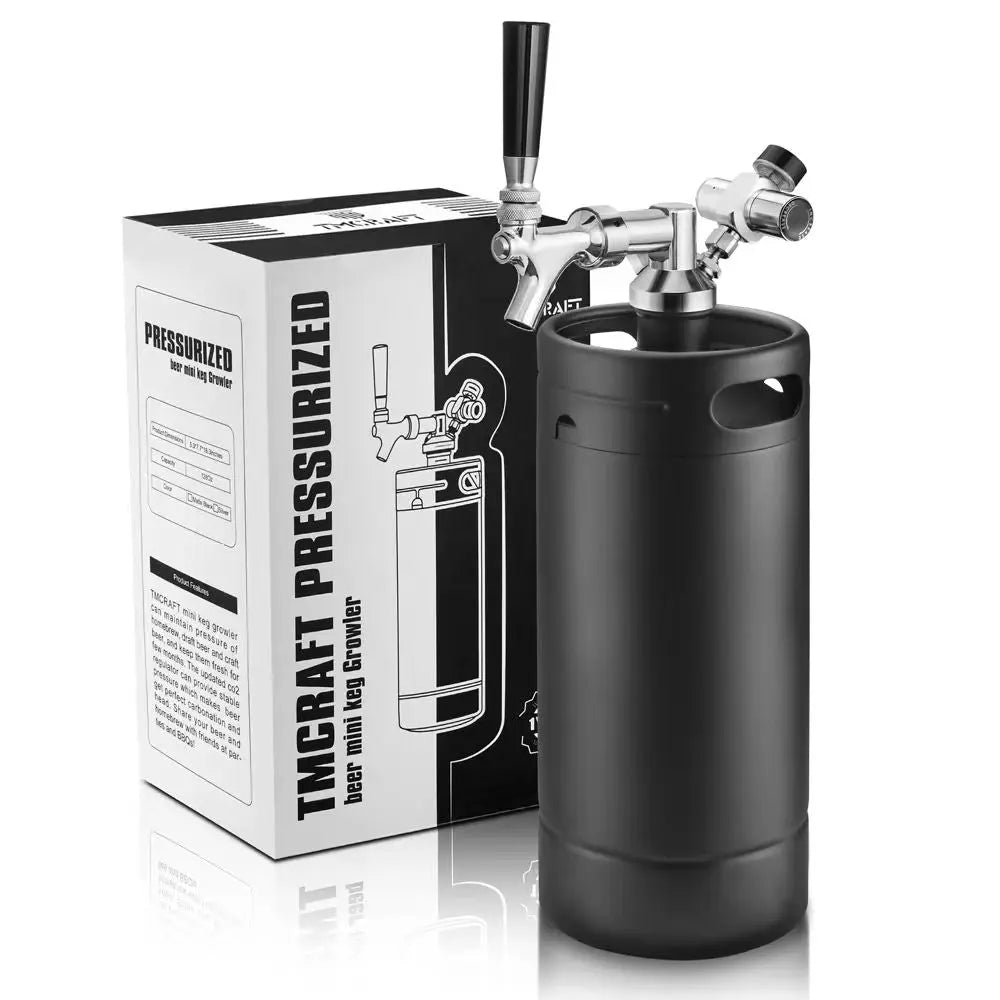


Ball Lock Keg Parts Explained: Understanding Every Component Before You Start Kegging
Learning the System Behind Better Beverage Control
For many home beverage enthusiasts, upgrading from bottles or simple containers to a kegging system is an exciting step. A keg system provides more control over storage, carbonation, and serving, making it easier to enjoy fresh beverages with a professional draft experience.
Among different keg styles, the ball lock keg is one of the most popular choices for homebrewers and beverage makers.
However, for beginners, a ball lock keg can seem complicated at first. Terms like gas post, liquid post, dip tube, disconnect, regulator, and pressure relief valve may feel unfamiliar.
The good news is that every component has a specific purpose. Once you understand how each part works together, building and maintaining a keg system becomes much easier.
This guide explains the essential parts of a ball lock keg, their functions, and why each component matters for creating a reliable beverage system.
What Is a Ball Lock Keg?
A ball lock keg is a reusable stainless-steel pressure vessel designed for storing and dispensing beverages.
It uses a quick-connect system called a “ball lock” to attach gas and beverage lines to the keg.
Unlike ordinary beverage containers, a ball lock keg allows users to control:
- Carbonation level
- Internal pressure
- Storage conditions
- Serving speed
- Beverage freshness
This makes ball lock kegs popular for:
- Craft beer
- Cold brew coffee
- Sparkling water
- Kombucha
- Homemade beverages
A complete ball lock keg system works by combining the keg body, gas supply, pressure control, and dispensing equipment.
Why Understanding Ball Lock Keg Parts Matters
A keg system works best when every component works correctly.
Many beginner problems are not caused by the keg itself but by misunderstanding how individual parts function.
For example:
- Excessive foam may come from pressure imbalance
- Gas leaks may come from damaged seals
- Poor carbonation may come from incorrect connections
- Slow pouring may come from line issues
Understanding the role of each component helps users:
- Set up the system correctly
- Troubleshoot problems faster
- Maintain better beverage quality
- Extend equipment life
The Main Structure of a Ball Lock Keg
Before exploring individual components, it helps to understand the overall design.
A typical ball lock keg includes:
- Keg body
- Lid assembly
- Gas post
- Liquid post
- Dip tubes
- O-rings
- Pressure relief valve
- Disconnect fittings
Each part contributes to creating a sealed and controlled beverage environment.
1. Stainless-Steel Keg Body: The Foundation of the System
The keg body is the main container that stores your beverage.
Most quality ball lock kegs are made from food-grade stainless steel because it provides excellent durability and beverage protection.
Why Stainless Steel Is Preferred
Long-Term Durability
A stainless-steel keg can be reused for many years with proper maintenance.
Unlike disposable containers, it is designed for repeated:
- Filling
- Cleaning
- Pressurizing
- Storage
Beverage Protection
The keg body helps protect beverages from:
- Light exposure
- External odors
- Environmental changes
This is especially important for beverages where flavor consistency matters.
Easy Maintenance
The smooth stainless-steel surface makes cleaning easier and reduces the chance of residue buildup.
2. Keg Lid: Creating a Secure Seal
The keg lid is located at the top of the keg and allows users to fill, clean, and inspect the container.
A properly sealed lid is essential because the keg relies on pressure to function.
The lid usually includes:
- Large opening for access
- Sealing gasket
- Pressure relief mechanism
A good seal helps prevent:
- Gas leaks
- Pressure loss
- Beverage quality issues
3. Pressure Relief Valve: Safety and Pressure Management
The pressure relief valve is an important safety feature.
Its main function is to release excess pressure from inside the keg.
This helps:
- Protect the keg system
- Improve safety
- Make maintenance easier
The pressure relief valve is also useful when opening the keg because it allows users to release internal pressure before removing the lid.
4. Gas Post: Where Pressure Enters the Keg
The gas post is one of the two main connections located on top of a ball lock keg.
Its purpose is to introduce gas into the keg.
The gas post connects to:
- CO₂ tanks
- Nitrogen systems
- Pressure regulators
When gas enters the keg, it creates pressure inside the headspace above the beverage.
This pressure performs two important functions:
- Helps maintain carbonation
- Pushes beverage toward the faucet
5. Liquid Post: The Beverage Outlet
The liquid post is the second main connection on the keg.
Its job is to move beverage from the keg to the dispensing system.
Inside the keg, the liquid post connects to a long dip tube that reaches near the bottom.
When pressure is applied, the beverage travels:
Keg bottom → Dip tube → Liquid post → Beverage line → Faucet
This design allows users to serve drinks without opening the keg.
6. Gas Dip Tube: Delivering Gas Properly
Some ball lock kegs include a short gas dip tube.
Its purpose is to ensure gas enters the correct area of the keg.
Gas is normally introduced into the empty space above the beverage rather than directly into the liquid.
This allows pressure to build efficiently.
7. Liquid Dip Tube: Moving Beverage From the Keg
The liquid dip tube is one of the most important internal components.
It extends from the liquid post down toward the bottom of the keg.
Its function is simple:
- Collect beverage from the bottom
- Move liquid toward the faucet
- Support consistent dispensing
A properly installed liquid dip tube helps ensure that almost all beverage can be served from the keg.
8. O-Rings and Seals: Small Parts With a Big Impact
Although they are small, O-rings are essential for keg performance.
They create airtight seals around:
- Lid
- Posts
- Dip tubes
- Connections
Damaged or worn O-rings can cause:
- Gas leaks
- Pressure loss
- Beverage contamination
Regular inspection and replacement of O-rings is an important part of keg maintenance.
9. Ball Lock Disconnects: Connecting the System
Ball lock disconnects connect the keg posts to external lines.
There are two main types:
Gas Disconnect
Usually connects to the gas post.
It delivers CO₂ or nitrogen into the keg.
Liquid Disconnect
Usually connects to the liquid post.
It transfers beverage from the keg to the faucet.
These quick-connect fittings make it easier to attach and remove the keg from the system.
10. CO₂ Tank and Regulator: Controlling Pressure
Although not physically part of the keg, the gas supply system is essential.
CO₂ Tank
The CO₂ tank provides gas for:
- Carbonation
- Beverage dispensing
- Pressure maintenance
Pressure Regulator
The regulator controls how much pressure enters the keg.
This is important because different beverages require different pressure levels.
Proper pressure management helps prevent:
- Excessive foam
- Flat beverages
- Inconsistent pours
How All Ball Lock Keg Components Work Together
A complete ball lock keg system follows a simple process.
Step 1: Fill the Keg
The beverage is transferred into the cleaned and sanitized keg.
Step 2: Seal the Lid
The lid creates a closed environment.
Step 3: Add Gas Pressure
CO₂ or another gas enters through the gas post.
Step 4: Maintain Beverage Condition
Pressure helps preserve carbonation and freshness.
Step 5: Dispense the Beverage
When the faucet opens, pressure pushes the beverage through the liquid line.
This creates the final draft pour.
Common Ball Lock Keg Problems and Component Checks
Understanding components also makes troubleshooting easier.
Problem: Too Much Foam
Possible causes:
- Incorrect pressure setting
- Warm beverage temperature
- Poorly balanced dispensing system
Check:
- Regulator
- Beverage lines
- Temperature
Problem: Beverage Is Flat
Possible causes:
- Insufficient carbonation time
- Gas connection problems
- Pressure too low
Check:
- Gas post
- Regulator
- Seals
Problem: Gas Leak
Possible causes:
- Damaged O-ring
- Loose connection
- Faulty fitting
Check:
- Lid seal
- Posts
- Disconnects
Cleaning Each Ball Lock Keg Component
Proper cleaning improves beverage quality and extends equipment life.
Keg Body
Clean the inside after every use.
Remove:
- Beverage residue
- Yeast deposits
- Coffee oils
Posts and Dip Tubes
These areas can collect buildup.
Regular cleaning prevents unwanted flavors.
Beverage Lines and Faucets
The dispensing system should also be cleaned because residue can affect taste.
O-Rings
Inspect seals regularly and replace damaged parts.
Choosing the Right Ball Lock Keg for Your Needs
Before purchasing a keg, consider:
Beverage Type
Different drinks may require different setups.
Examples:
- Beer requires carbonation control
- Coffee may require nitrogen options
- Sparkling drinks require pressure management
Capacity
Choose a size based on:
- Batch volume
- Storage space
- Frequency of use
Future Expansion
Many users start with a simple system and add accessories later.
A flexible keg setup allows room for upgrades.
Final Thoughts: Understanding Your Keg Is the Key to Better Beverages
A ball lock keg may appear complex at first, but every component has a clear purpose.
The keg body stores the beverage.
The gas system controls pressure.
The dip tubes move liquid.
The posts and disconnects connect everything together.
The seals keep the system working properly.
Once you understand these parts, building and maintaining a keg system becomes much easier.
Whether you are making craft beer, cold brew coffee, sparkling water, or other specialty beverages, learning how a ball lock keg works gives you more control over every step—from storage to the final pour.
Link to: From Homebrew to Draft Perfection: How Ball Lock Kegs Give You Complete Beverage Control