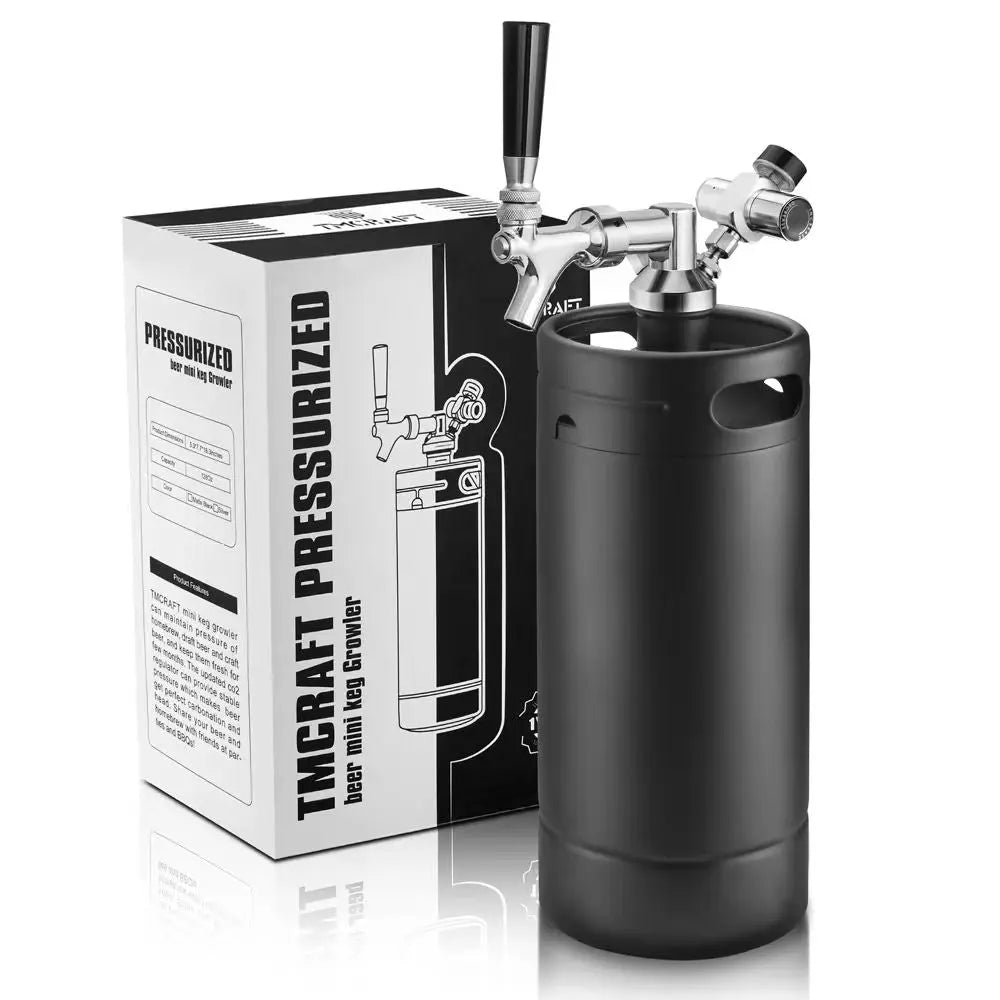


Ball Lock Keg Pressure Chart: The Complete Guide to CO₂ PSI for Every Beer Style
One of the biggest advantages of using a ball lock keg is the ability to control carbonation with precision. Unlike bottle conditioning, a kegging system allows homebrewers to adjust CO₂ pressure based on beer style, serving temperature, and personal preference.
However, many brewers are unsure what pressure to use. Setting the regulator too low can produce flat beer, while excessive pressure may lead to over-carbonation and foamy pours.
A reliable ball lock keg pressure chart provides a starting point for achieving consistent carbonation across different beer styles. Combined with proper temperature control and a well-maintained keg system, the right pressure settings help deliver professional-quality draft beer at home.
This guide explains how pressure affects carbonation, offers practical pressure recommendations, and highlights the factors that influence your final results.
Why CO₂ Pressure Matters
Carbon dioxide does more than push beer from the keg to the faucet.
Proper CO₂ pressure helps:
- Maintain carbonation
- Improve head retention
- Enhance aroma release
- Deliver smoother mouthfeel
- Keep serving performance consistent
Because carbonation depends on both pressure and temperature, adjusting only one variable may not produce the desired outcome.
Understanding the Ball Lock Keg Pressure Chart
A ball lock keg pressure chart compares two key factors:
- Beer temperature
- Desired carbonation level
The colder the beer, the less pressure is generally required to maintain a given carbonation level. Warmer beer typically requires higher regulator settings.
Rather than relying on guesswork, using a pressure chart helps brewers achieve repeatable results with every batch.
Typical CO₂ Pressure by Beer Style
The following ranges provide general guidance. Exact settings may vary depending on recipe, serving temperature, and personal preference.
| Beer Style | Typical Carbonation | General Pressure Range* |
|---|---|---|
| English Bitter | Lower | Low |
| Stout & Porter | Lower | Low |
| Amber Ale | Medium | Moderate |
| Pale Ale | Medium | Moderate |
| IPA | Medium–High | Moderate to High |
| Pilsner | High | Higher |
| Wheat Beer | High | Higher |
| Belgian Ale | Medium–High | Moderate to High |
*Always use a carbonation chart that matches your serving temperature.
Temperature and Pressure Work Together
A common mistake is adjusting CO₂ pressure without considering beer temperature.
For example:
- Cold beer absorbs CO₂ more efficiently.
- Warm beer requires more pressure to achieve the same carbonation level.
For best results:
- Chill the beer completely before carbonation.
- Keep the ball lock keg at a stable serving temperature.
- Avoid frequent temperature fluctuations.
Maintaining consistent conditions helps preserve carbonation and serving quality.
Force Carbonation vs. Serving Pressure
Many brewers use two different pressure settings throughout the keg's life.
Force Carbonation
Higher pressure is temporarily applied to dissolve CO₂ into the beer more quickly.
Advantages include:
- Faster carbonation
- Reduced waiting time
- Consistent results
Serving Pressure
After carbonation is complete, the regulator is adjusted to a lower, stable setting that maintains carbonation while providing smooth pours.
Separating these two stages helps improve overall draft performance.
How to Adjust CO₂ Pressure Safely
Changing regulator settings is straightforward, but it should always be done carefully.
Follow these steps:
- Chill the keg completely.
- Connect the CO₂ supply.
- Adjust the regulator gradually.
- Allow pressure to stabilize.
- Test a small pour before making additional changes.
Small adjustments are usually more effective than large changes.
Common Pressure Problems
Beer Is Too Flat
Possible causes:
- Pressure too low
- Insufficient carbonation time
- Gas leak
- Warm storage temperature
Beer Is Too Foamy
Possible causes:
- Excessive pressure
- Warm beer
- Dirty beverage lines
- Faucet opened only partially
Carbonation Changes Over Time
If carbonation gradually decreases, inspect:
- O-rings
- Lid seal
- Gas disconnects
- Regulator fittings
A well-maintained ball lock keg should hold pressure consistently.
Factors That Influence Carbonation
Several variables affect how beer carbonates inside a keg.
Beer Style
Different styles require different carbonation levels.
Serving Temperature
Lower temperatures improve CO₂ absorption.
Storage Time
Allow sufficient time for carbonation to stabilize.
Equipment Quality
Reliable regulators, quality gas lines, and a durable stainless steel ball lock keg all contribute to better consistency.
Tips for More Consistent Draft Beer
To get the most from your homebrew keg system:
- Keep beer cold before carbonating.
- Check regulator accuracy periodically.
- Inspect seals regularly.
- Clean beverage lines often.
- Use fresh O-rings when needed.
- Avoid rapid pressure changes.
These simple habits improve both carbonation consistency and equipment longevity.
Why TMCRAFT Ball Lock Kegs Deliver Reliable Performance
TMCRAFT ball lock kegs are designed to provide dependable pressure retention and consistent carbonation.
Key features include:
- Food-grade 304 stainless steel construction
- Durable pressure-resistant body
- Standard ball lock fittings
- Easy-clean interior
- Reliable sealing system
- Multiple capacity options for homebrewers
Whether you're carbonating a full batch or serving fresh draft beer, TMCRAFT kegs are built to support a dependable homebrew keg system.
Frequently Asked Questions
What is a ball lock keg pressure chart?
A ball lock keg pressure chart helps determine the appropriate CO₂ pressure based on beer temperature and desired carbonation level.
Can I use the same pressure for every beer?
No. Different beer styles require different carbonation levels, so regulator settings may vary.
Why is my beer foamy even with the correct pressure?
Foaming may also result from warm beer, dirty beverage lines, or an unbalanced draft system.
Should I reduce pressure after force carbonation?
Yes. After carbonation is complete, adjust the regulator to a stable serving pressure for consistent pours.
Does keg size affect pressure settings?
No. Carbonation depends primarily on temperature and desired carbonation level, not the size of the ball lock keg.
Conclusion
Using a ball lock keg pressure chart removes much of the guesswork from homebrewing. By matching CO₂ pressure to beer style and serving temperature, you can achieve consistent carbonation, better flavor, and smoother pours every time.
While every recipe is unique, following a proven pressure guide, maintaining stable temperatures, and using quality equipment will help you produce draft beer with professional results.
TMCRAFT ball lock kegs are engineered for dependable pressure retention, easy maintenance, and long-lasting performance, giving homebrewers the confidence to carbonate and serve every batch with precision.
Link to: The Ultimate Ball Lock Keg Maintenance Schedule: Daily, Monthly, and Annual Care Tips