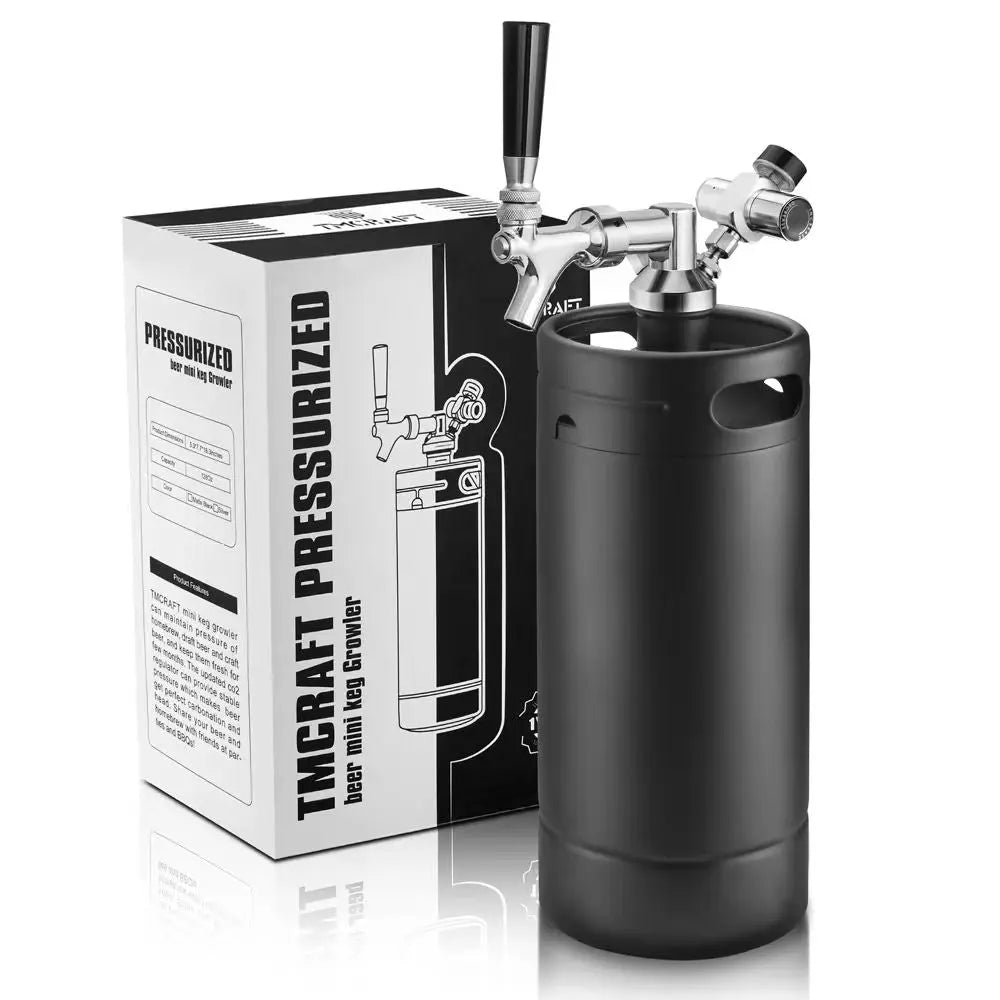


Ball Lock Keg Mastery: Pressure Control, Carbonation Science, and Pro-Level Draft Results
Introduction: Why Ball Lock Kegs Dominate Modern Homebrewing
For serious homebrewers and beverage enthusiasts, consistency is everything. Achieving the perfect pour—balanced carbonation, stable pressure, and clean flavor—requires more than just good ingredients. It requires the right system.
That’s why the ball lock keg system has become the gold standard in modern homebrewing.
Originally popularized through soda dispensing systems, ball lock kegs are now widely used for beer, kombucha, and even coffee. Their reliability, ease of use, and precision control make them a top choice for anyone looking to elevate their draft experience.
What Is a Ball Lock Keg System?
A ball lock keg system is a pressurized stainless steel keg that uses quick-connect ball lock fittings for both gas and liquid lines.
These kegs typically feature:
- Separate gas and liquid posts
- Pressure relief valves
- Dip tubes for efficient dispensing
- Airtight seals for freshness
The “ball lock” mechanism refers to the small stainless steel balls inside the connectors that lock into place, ensuring secure and leak-free connections.
Why Ball Lock Kegs Are Preferred Over Other Systems
1. Precision Pressure Control
One of the biggest advantages of a ball lock keg system is accurate pressure regulation.
With the right CO₂ setup, users can:
- Fine-tune carbonation levels
- Control pour speed
- Maintain consistent serving conditions
This level of control is critical for achieving professional-quality draft beer at home.
2. Easy Setup and Maintenance
Ball lock kegs are designed for simplicity:
- Quick disconnect fittings
- Clearly labeled gas/liquid posts
- Tool-free assembly
Compared to other systems, they are easier to clean, maintain, and troubleshoot.
3. Versatility Across Beverages
While primarily used for beer, ball lock kegs are also ideal for:
- Sparkling water
- Kombucha
- Cold brew coffee
- Cocktails on tap
This makes them a multi-functional investment for beverage enthusiasts.
4. Compact Yet Scalable
Ball lock kegs typically come in:
- 2.5-gallon
- 3-gallon
- 5-gallon sizes
They fit easily into most kegerators while still allowing users to scale production as needed.
Understanding Carbonation Science in Ball Lock Kegs
Carbonation is where the ball lock keg system truly shines.
The Basics of Carbonation
Carbonation occurs when CO₂ dissolves into liquid under pressure. The amount absorbed depends on:
- Pressure (PSI)
- Temperature
- Time
Higher pressure and lower temperature result in faster and more effective carbonation.
Force Carbonation vs Natural Carbonation
Force Carbonation
- Uses CO₂ directly from a tank
- Fast (24–48 hours)
- Highly controllable
Natural Carbonation
- Uses priming sugar
- Slower (1–2 weeks)
- Less precise
Most users prefer force carbonation for its speed and consistency.
Step-by-Step: How to Set Up a Ball Lock Keg System
Step 1: Clean and Sanitize
Before use, thoroughly clean all components:
- Keg interior
- Dip tubes
- Posts and connectors
Sanitation is critical to avoid contamination.
Step 2: Fill the Keg
Transfer your beverage carefully, leaving some headspace for CO₂.
Step 3: Seal and Pressurize
Attach the CO₂ line and apply pressure to:
- Seal the lid
- Remove oxygen from the keg
This step preserves freshness and prevents oxidation.
Step 4: Carbonate the Beverage
Set your regulator to the desired PSI:
- Lower PSI for subtle carbonation
- Higher PSI for more carbonation
Let the keg sit under pressure until the desired level is reached.
Step 5: Serve and Adjust
Connect the liquid line and pour your drink. Adjust pressure as needed to control:
- Foam
- Flow rate
- Mouthfeel
Common Pressure Settings for Different Beverages
| Beverage Type | Recommended PSI |
|---|---|
| Beer (Ale) | 10–12 PSI |
| Beer (Lager) | 12–14 PSI |
| Kombucha | 8–10 PSI |
| Sparkling Water | 20–30 PSI |
| Cold Brew Coffee | 5–8 PSI |
These values help achieve optimal carbonation and serving balance.
Troubleshooting Common Ball Lock Keg Issues
Problem: Excessive Foam
Cause: High pressure or warm temperature
Solution: Lower PSI and chill the keg
Problem: Flat Beer
Cause: Low pressure or insufficient time
Solution: Increase PSI and allow more carbonation time
Problem: Gas Leaks
Cause: Worn seals or loose fittings
Solution: Check O-rings and tighten connections
Problem: Slow Pour
Cause: Low pressure or clogged dip tube
Solution: Increase pressure or clean components
Ball Lock vs Pin Lock Kegs: Key Differences
| Feature | Ball Lock Keg | Pin Lock Keg |
|---|---|---|
| Connection Type | Ball lock fittings | Pin lock fittings |
| Size | Taller, slimmer | Shorter, wider |
| Popularity | More common | Less common |
| Ease of Use | Easier | Slightly more complex |
Ball lock kegs are generally preferred due to their wider compatibility and ease of use.
Best Practices for Long-Term Performance
✔ Regular Cleaning
Clean after every use to maintain flavor integrity.
✔ Replace O-Rings Periodically
Prevents leaks and maintains pressure stability.
✔ Store Under Pressure
Keeps seals tight and prevents contamination.
✔ Monitor Temperature
Consistent cold storage improves carbonation and taste.
Why TMCRAFT Ball Lock Kegs Stand Out
TMCRAFT ball lock kegs are designed for both beginners and advanced users, offering:
- High-grade stainless steel construction
- Precision-engineered fittings
- Reliable pressure retention
- User-friendly design
They integrate seamlessly with standard CO₂ systems, making them ideal for homebrew setups and professional environments alike.
The Future of Draft Systems: Precision and Control
As homebrewing continues to grow, the demand for precision equipment is increasing. Ball lock kegs are at the forefront of this trend, offering:
- Scientific-level control
- Consistent results
- Scalable systems
From hobbyists to serious brewers, these systems provide the tools needed to create exceptional beverages every time.
Conclusion: Unlock Pro-Level Brewing at Home
Mastering a ball lock keg system is one of the most impactful upgrades a brewer can make.
With the ability to control pressure, fine-tune carbonation, and maintain freshness, these kegs deliver:
- Better taste
- Better consistency
- Better overall experience
If you're serious about your craft, the ball lock keg isn’t just an option—it’s a necessity.
Link to: Ball Lock Keg Pressure Guide: How Brewers Achieve Perfect Carbonation Every Time