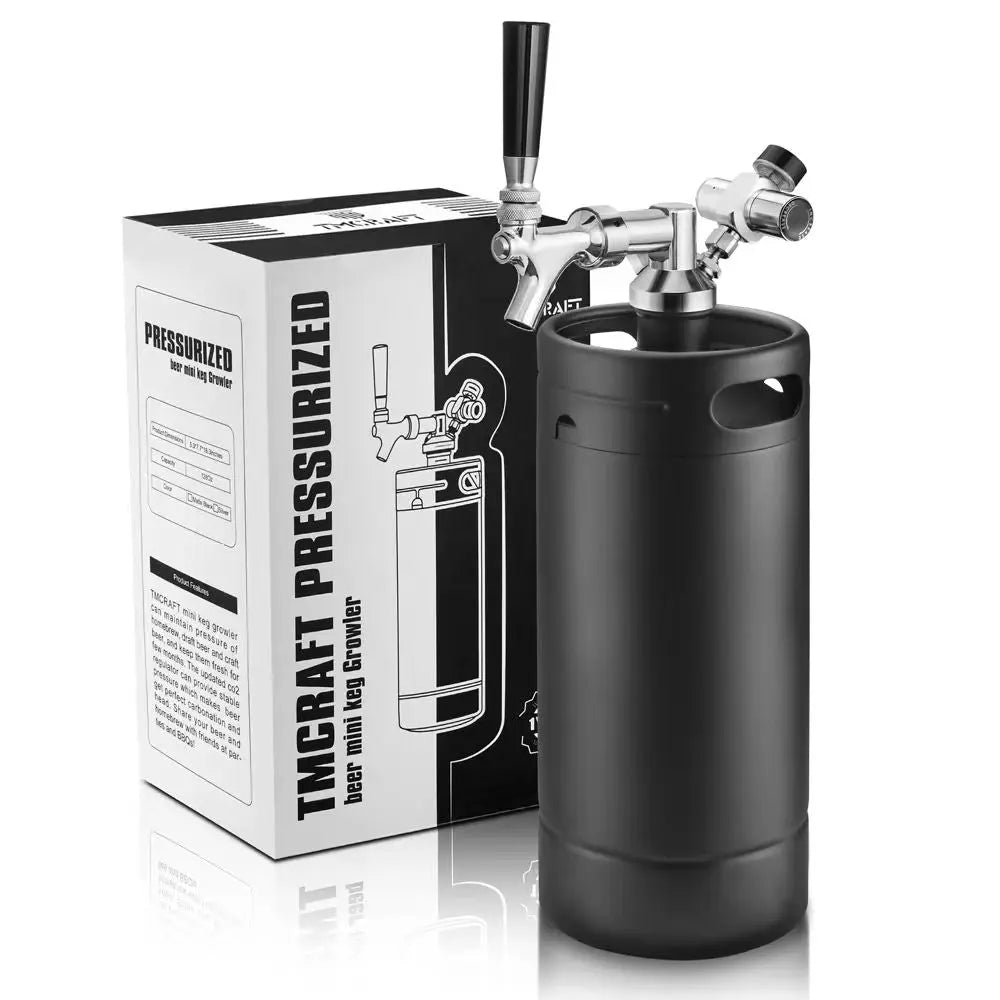


Ball Lock Keg Setup Guide: Everything Beginners Need to Start Kegging Fast
Primary Keywords:
ball lock keg, ball lock keg setup, stainless steel ball lock keg, ball lock corny keg
Secondary Keywords:
homebrew kegging system, how to use a ball lock keg, keg carbonation system, reusable beer keg, TMCRAFT ball lock keg
For many homebrewers, moving from bottles to a ball lock keg is one of the best upgrades they can make. Kegging saves time, improves carbonation control, reduces cleanup, and creates a professional draft beer experience at home.
But beginners often ask the same question: How do you set up a ball lock keg correctly?
The good news is that once you understand the parts and process, kegging is simple. In this guide, you’ll learn exactly how to build your first kegging system, how to avoid common setup mistakes, and why a TMCRAFT ball lock keg is a smart long-term investment.
What Is a Ball Lock Keg?
A ball lock keg is a reusable stainless steel keg commonly used for homebrewing and beverage dispensing. It uses quick-connect posts with small locking balls inside the fittings, allowing gas and liquid lines to attach securely.
Originally popularized through soda distribution systems, ball lock kegs are now a favorite among homebrewers because they are:
- Easy to use
- Reliable under pressure
- Easy to clean
- Great for beer, cider, kombucha, coffee, and cocktails
- Compatible with many modern kegging accessories
A ball lock corny keg is often the first keg system brewers choose when upgrading from bottles.
Why Beginners Choose a Ball Lock Keg
If you are new to kegging, a ball lock keg system offers several major advantages.
Faster Packaging
Instead of cleaning and filling dozens of bottles, you transfer your beverage into one keg.
Better Carbonation Control
Use CO2 pressure to carbonate precisely instead of relying only on bottle conditioning sugar.
Easier Serving
Pour fresh drinks directly from a tap or picnic faucet.
Less Oxygen Exposure
A sealed keg system helps preserve freshness and flavor.
Reusable for Years
A quality stainless steel ball lock keg can last through many brewing cycles.
Ball Lock Keg Parts You Need
Before setup, it helps to understand each component.
1. Ball Lock Keg
The keg itself stores and dispenses the beverage.
2. CO2 Tank
Provides pressure for carbonation and serving.
3. Regulator
Controls gas pressure from the CO2 tank.
4. Gas Line
Carries CO2 into the keg.
5. Liquid Line
Carries beer or beverage out of the keg.
6. Disconnects
Quick-connect fittings for gas and liquid posts.
7. Faucet or Picnic Tap
Used to pour the beverage.
With these parts, you can create a complete homebrew kegging system.
Step-by-Step Ball Lock Keg Setup Guide
Follow these steps for your first successful setup.
Step 1: Clean and Sanitize the Keg
Before filling any ball lock keg, clean it thoroughly.
Checklist:
- Remove lid
- Rinse inside
- Clean dip tubes and posts
- Wash with brewery-safe cleaner
- Rinse completely
- Sanitize before use
Proper sanitation prevents contamination and off-flavors.
Step 2: Fill the Keg
Transfer your finished beer or beverage into the keg.
Tips:
- Use a siphon or closed transfer if possible
- Minimize splashing
- Leave a small amount of headspace
Reducing oxygen contact helps maintain freshness.
Step 3: Seal the Lid
Close the lid securely and apply a small amount of CO2 pressure.
This helps the lid seat tightly and creates an airtight seal.
If the lid does not seal immediately, increase pressure slightly and check alignment.
Step 4: Connect the Gas Line
Attach the gas disconnect to the gas post.
Important: Gas and liquid posts are different. Do not force the wrong connector onto the post.
Once connected:
- Open CO2 tank
- Set regulator pressure
- Confirm gas is flowing properly
Step 5: Carbonate the Beverage
There are two common methods.
Slow Carbonation
Store cold and apply serving pressure for several days.
Best for consistency and smooth results.
Faster Carbonation
Use higher pressure for a shorter period, then reduce to serving pressure.
Best when you need beer ready sooner.
A ball lock keg gives much more control than bottle conditioning.
Step 6: Connect the Liquid Line
Attach the liquid disconnect to the liquid post and connect the serving tap.
Now the keg is ready to pour.
Step 7: Test the Pour
Open the tap and pour a sample.
If the pour looks perfect, you’re ready to serve.
If not, small adjustments to pressure or temperature usually solve the issue.
Common Beginner Mistakes to Avoid
Many new users experience simple issues that are easy to fix.
Mistake 1: Mixing Up Gas and Liquid Lines
Always label disconnects or use color-coded fittings.
Mistake 2: Poor Cleaning Habits
Residue inside a keg can ruin flavor quickly.
Clean every keg after use.
Mistake 3: Serving Warm Beer
Warm beer creates excess foam.
Always chill the keg before serving.
Mistake 4: Pressure Too High
Too much pressure can cause foamy pours.
Adjust regulator settings gradually.
Mistake 5: Ignoring O-Rings
Worn seals can create leaks or loss of carbonation.
Inspect and replace O-rings regularly.
Ball Lock Keg vs Bottling
Many brewers compare kegging with bottling before upgrading.
| Feature | Ball Lock Keg | Bottles |
|---|---|---|
| Packaging Time | Fast | Slow |
| Cleanup | Easy | High |
| Carbonation Control | Excellent | Limited |
| Serving | Draft Style | Single Bottle |
| Freshness Protection | Strong | Moderate |
| Reusability | Excellent | Good |
For convenience and consistency, many brewers prefer a ball lock keg.
Why Stainless Steel Ball Lock Kegs Are Best
Material matters when choosing equipment.
Durable
Resists dents and cracking better than plastic or glass systems.
Flavor Neutral
Does not absorb smells or flavors.
Easy to Sanitize
Smooth surfaces make cleaning easier.
Long-Term Value
A quality stainless steel ball lock keg can serve for years.
Why Choose TMCRAFT Ball Lock Kegs?
TMCRAFT designs keg systems for dependable performance and user-friendly setup.
Benefits include:
- Food-grade stainless steel construction
- Strong sealing performance
- Easy-to-clean interior
- Compatible with standard kegging accessories
- Ideal for beer, cider, kombucha, and coffee
- Built for home and commercial beverage service
Whether you are starting your first kegging system or upgrading older equipment, TMCRAFT provides reliable solutions.
Best Uses for a Ball Lock Keg
A ball lock keg is not just for beer.
Use it for:
- Homebrew beer
- Sparkling water
- Cold brew coffee
- Kombucha
- Cocktails on tap
- Cider
- Tea beverages
Its versatility makes it one of the most useful beverage tools available.
Final Verdict
If you want easier packaging, cleaner serving, and better carbonation control, a ball lock keg is one of the smartest brewing upgrades available.
Once you complete your first setup, the process becomes fast and repeatable. With the right equipment, kegging saves time while improving the drinking experience.
A TMCRAFT ball lock keg helps beginners start strong and gives experienced brewers dependable long-term performance.
Link to: Keg Like a Pro: How Ball Lock Systems Simplify Carbonation, Storage, and Serving