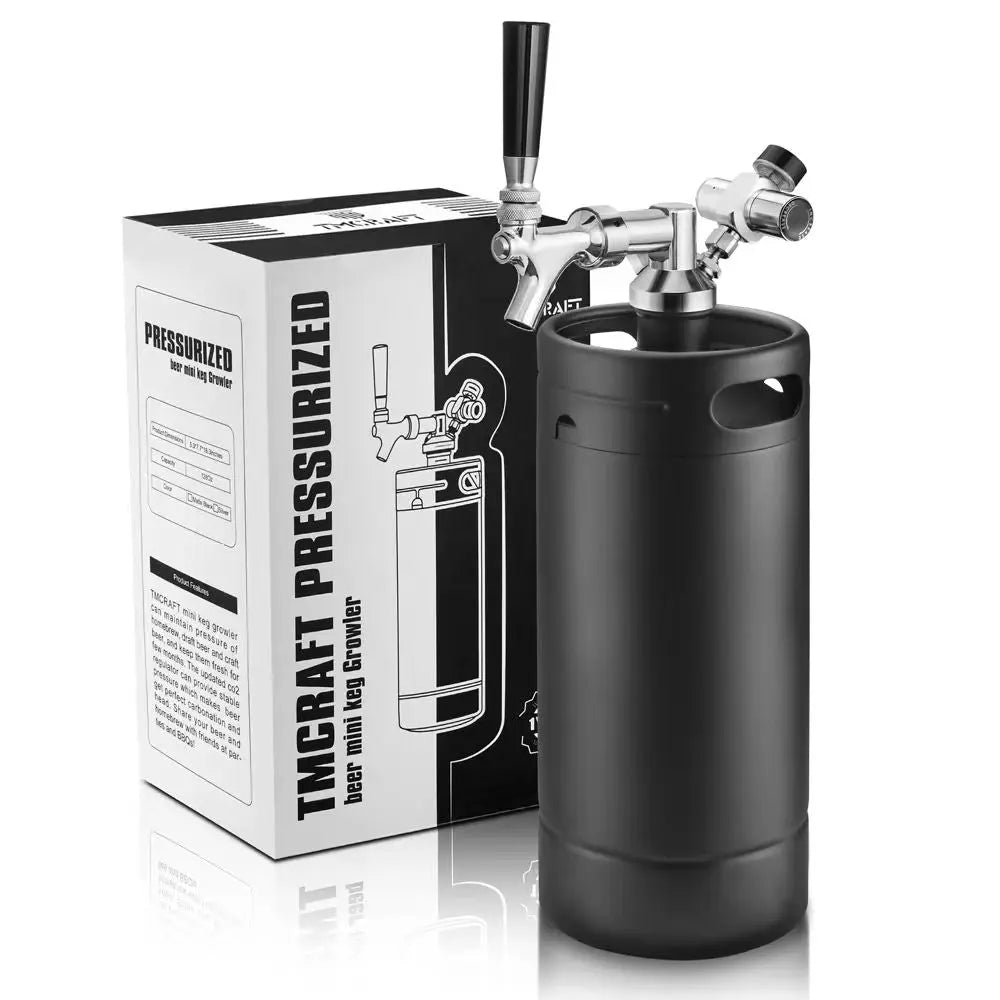


From Homebrew to Draft System: How Ball Lock Kegs Give You More Control Over Your Beverages
For many homebrewers and beverage enthusiasts, making a great drink is only part of the experience. The real challenge is keeping that drink fresh, properly carbonated, and ready to serve whenever you want to enjoy it.
This is where ball lock kegs come in.
Originally developed for commercial beverage applications, ball lock kegs have become one of the most popular choices for homebrewing and small-scale beverage serving. They provide better control over carbonation, storage, and dispensing compared with traditional bottles or simple containers.
Whether you are brewing beer at home, preparing sparkling water, creating kombucha, or serving cold brew coffee, a ball lock keg can help transform your beverage setup into a more professional draft system.
What Is a Ball Lock Keg?
A ball lock keg is a stainless-steel pressure vessel designed to store and dispense beverages using a gas-powered system.
The name “ball lock” comes from the quick-disconnect fittings used on the keg posts. These fittings contain small locking balls that securely attach gas and liquid lines to the keg.
Unlike basic beverage containers, a ball lock keg has two separate connection points:
- Gas post: Allows carbon dioxide or nitrogen to enter the keg
- Liquid post: Allows the beverage to flow from the keg to the faucet
This two-line system gives users precise control over pressure and dispensing, making it a favorite among homebrewers and beverage professionals.
Why Are Ball Lock Kegs Popular Among Homebrewers?
Before kegging systems became common, many homebrewers relied on bottles. While bottles are useful, they require more preparation, including cleaning dozens of containers, filling each bottle individually, and managing carbonation through bottle conditioning.
A ball lock keg simplifies this process.
With a keg system, users can:
- Transfer larger batches quickly
- Carbonate beverages more efficiently
- Serve directly from a tap
- Reduce packaging waste
- Adjust carbonation levels according to preference
For people who brew regularly, kegging can save significant time while improving the overall drinking experience.
Understanding the Main Components of a Ball Lock Keg
Knowing the basic parts of a ball lock keg helps users operate and maintain their system properly.
Stainless-Steel Keg Body
The keg body is the main storage chamber. Food-grade stainless steel is commonly used because it is durable, corrosion-resistant, and easy to sanitize.
A quality stainless-steel keg can be reused for many years with proper care.
Lid and Pressure Relief Valve
The removable lid allows easy filling and cleaning. Most lids include a pressure relief valve that allows users to release excess pressure safely.
This feature is important because it helps maintain safe operating conditions while making cleaning and maintenance easier.
Gas and Liquid Posts
The two posts are the key difference between a ball lock keg and a simple storage container.
The gas post connects to the CO₂ supply, while the liquid post connects to the beverage line.
Because the connections are separated, users can control carbonation and dispensing more accurately.
Dip Tubes
Inside the keg are two dip tubes:
- The gas dip tube introduces gas into the headspace
- The liquid dip tube reaches the bottom of the keg to collect the beverage
This design allows the keg to provide consistent pours from the beginning to the end of the batch.
How Carbonation Control Improves Beverage Quality
One of the biggest advantages of ball lock kegs is carbonation control.
Different beverages require different carbonation levels. A light lager, sparkling water, kombucha, and cold brew coffee all have different serving requirements.
With a ball lock keg system, users can adjust:
- Gas pressure
- Carbonation time
- Serving pressure
- Beverage temperature
Cold temperatures help liquids absorb CO₂ more effectively, while pressure adjustments allow users to achieve the desired level of carbonation.
This level of control is difficult to achieve with traditional bottles or growlers.
Ball Lock Kegs Are More Than Just Beer Equipment
Although ball lock kegs are strongly associated with homebrewing, their applications extend far beyond beer.
Sparkling Water
Many people use ball lock kegs to create homemade sparkling water. A keg system allows users to carbonate larger quantities and serve fresh water directly from the tap.
Kombucha
Kombucha naturally produces carbonation, but kegging allows better control over the final result and provides a convenient serving method.
Cold Brew Coffee
Cold brew enthusiasts can use ball lock kegs to store and dispense coffee while reducing exposure to air.
Cocktails and Specialty Drinks
Batch cocktails can also benefit from keg storage, especially for parties and events where consistent servings are important.
Building a Simple Ball Lock Keg Draft System
A complete setup does not have to be complicated.
A basic ball lock keg system usually includes:
- Stainless-steel ball lock keg
- CO₂ tank
- Pressure regulator
- Gas line
- Beverage line
- Faucet or dispensing tap
The CO₂ tank provides pressure, the regulator controls that pressure, and the faucet allows easy serving.
As your experience grows, you can expand your system with additional kegs, cooling equipment, or multiple taps.
Cleaning and Maintenance: The Key to Better Flavor
Proper cleaning is one of the most important parts of keg ownership.
Even high-quality equipment cannot produce great beverages if residue builds up inside the system.
After each use:
- Empty the keg completely
- Rinse with clean water
- Clean with a suitable beverage cleaner
- Remove and inspect seals
- Sanitize before the next fill
Pay special attention to:
- Dip tubes
- Posts
- O-rings
- Faucets
- Beverage lines
Regular maintenance prevents unwanted flavors and keeps the system working efficiently.
Common Mistakes Beginners Should Avoid
For new keg users, a few simple mistakes can affect beverage quality.
Not Cleaning Thoroughly
Small amounts of residue can create unwanted flavors or affect carbonation.
Incorrect Pressure Settings
Too much pressure can create excessive foam, while too little pressure may result in flat beverages.
Ignoring Temperature
Cold beverages absorb carbonation better and generally provide a smoother serving experience.
Forgetting About Oxygen Exposure
Reducing oxygen contact helps protect flavor, especially for delicate beverages like craft beer and cold brew coffee.
Choosing the Right Ball Lock Keg Size
Ball lock kegs are available in different capacities to suit different needs.
Smaller kegs are useful for:
- Experimenting with recipes
- Limited refrigerator space
- Personal beverage projects
Larger kegs are better for:
- Frequent home brewing
- Parties
- Larger beverage batches
Choosing the right size depends on your available space, drinking habits, and the type of beverages you plan to serve.
Final Thoughts: Taking Control of Your Beverage Experience
A ball lock keg is more than a storage container—it is the foundation of a flexible draft system.
By giving users control over carbonation, freshness, and serving, ball lock kegs bring professional beverage handling into homes, workshops, and small businesses.
Whether you are beginning your homebrewing journey or expanding an existing setup, investing in a reliable ball lock keg system can help you enjoy better flavor, easier serving, and a more rewarding beverage-making experience.
Link to: Inside the Ball Lock Keg: A Practical Guide to Pressure, Pouring, and Maintenance