

7 Common Coffee Keg Mistakes That Ruin Cold Brew (And How to Avoid Them)
A coffee keg is one of the best investments for anyone who enjoys smooth, café-style cold brew at home or in a commercial setting. It preserves freshness, simplifies serving, and makes it possible to enjoy creamy nitro cold brew on demand.
However, even the highest-quality equipment cannot compensate for poor setup or improper maintenance. Many first-time users unknowingly make simple mistakes that affect flavor, reduce foam quality, shorten freshness, or create frustrating dispensing problems.
The good news is that these issues are easy to avoid once you understand how a coffee keg system works.
This guide covers the seven most common coffee keg mistakes and explains how to keep your cold brew tasting fresh from the first pour to the last.
Mistake 1: Using Poorly Filtered Cold Brew
Your coffee keg can only perform as well as the coffee you put into it.
One of the biggest mistakes is transferring cold brew that still contains fine coffee particles.
These particles can:
- Clog beverage lines
- Block dispensing faucets
- Reduce smooth pouring
- Leave sediment in the glass
How to Avoid It
Always filter your cold brew thoroughly using a fine mesh filter, paper filter, or commercial cold brew filtration system before filling the keg.
A clean beverage starts with a clean brew.
Mistake 2: Filling the Coffee Keg Without Proper Sanitation
Coffee contains natural sugars and oils that can encourage residue buildup if equipment is not properly cleaned.
Skipping sanitation before filling the coffee keg may lead to:
- Off-flavors
- Unpleasant odors
- Shorter freshness
- Contamination
How to Avoid It
Before every batch:
- Wash the keg thoroughly.
- Sanitize all internal surfaces.
- Clean the lid, dip tube, and faucet.
- Rinse with clean water if required by the sanitizer instructions.
A clean stainless steel coffee keg protects every batch of cold brew.
Mistake 3: Choosing the Wrong Gas
Many beginners assume CO₂ and nitrogen produce similar results.
They do not.
Using CO₂ for traditional nitro cold brew creates carbonation instead of the smooth, creamy mouthfeel that makes nitro coffee unique.
How to Avoid It
For authentic nitro coffee:
- Use nitrogen-compatible equipment.
- Select the correct gas cartridges or nitrogen tank.
- Follow manufacturer recommendations for pressure settings.
The right gas transforms both texture and flavor.
Mistake 4: Storing the Keg at the Wrong Temperature
Temperature has a major impact on coffee quality.
Warm storage can accelerate flavor degradation and reduce foam stability.
Cold brew is best served chilled.
How to Avoid It
Store your coffee keg system in a refrigerator or kegerator whenever possible.
Maintaining a stable cold temperature helps preserve:
- Flavor
- Aroma
- Freshness
- Nitrogen performance
Mistake 5: Ignoring Routine Cleaning
One of the most common coffee keg mistakes is waiting until flavor problems appear before cleaning the equipment.
Coffee oils gradually accumulate inside:
- Beverage lines
- Faucets
- Dip tubes
- Connectors
Over time, this buildup affects both taste and dispensing performance.
How to Avoid It
Clean your coffee keg after every completed batch.
Perform deeper maintenance on dispensing components regularly to keep the entire draft coffee system operating efficiently.
Mistake 6: Applying Too Much Pressure
More pressure does not always produce better coffee.
Excessive gas pressure can:
- Create unstable pours
- Waste gas
- Affect dispensing consistency
- Disturb the natural nitrogen cascade
How to Avoid It
Adjust pressure gradually and follow the recommended settings for your specific coffee keg system.
Allow time for the coffee to stabilize before serving.
Mistake 7: Leaving Coffee in the Keg Too Long
Although a sealed coffee keg helps preserve freshness better than an open container, cold brew is still a fresh product.
Over extended periods, flavor gradually changes.
Coffee may become:
- Less aromatic
- Less vibrant
- More bitter
- Less smooth
How to Avoid It
Prepare batches that match your expected consumption.
Rotate fresh coffee regularly and avoid storing finished cold brew for longer than necessary.
Best Practices for Better Coffee Keg Performance
Avoiding mistakes is only part of achieving excellent results.
Follow these habits to maximize the performance of your coffee keg:
- Brew with high-quality coffee beans.
- Filter thoroughly before filling.
- Keep equipment sanitized.
- Refrigerate consistently.
- Clean beverage lines regularly.
- Replace worn seals.
- Use the correct gas for your beverage.
These simple routines help maintain a consistently enjoyable coffee on tap experience.
Why Stainless Steel Coffee Kegs Are the Best Choice
A stainless steel coffee keg offers several advantages over glass or plastic containers.
Benefits include:
- Excellent durability
- Flavor neutrality
- Superior light protection
- Reliable pressure retention
- Easy cleaning
- Long service life
These qualities help maintain the quality of every batch of cold brew coffee.
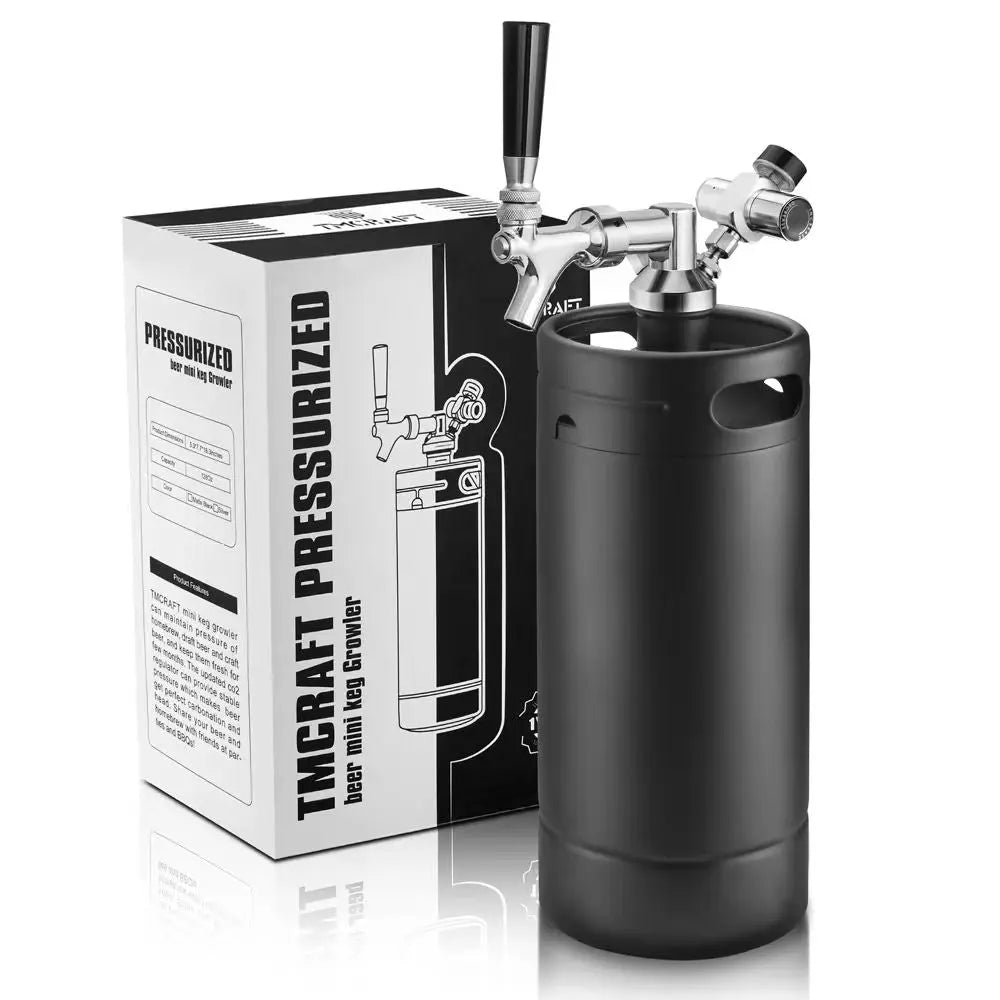
Why TMCRAFT Coffee Kegs Make Cold Brew Easier
TMCRAFT coffee kegs are designed to simplify both serving and maintenance.
Features include:
- Food-grade 304 stainless steel construction
- Pressure-resistant body
- Smooth interior surfaces for easier cleaning
- Compatibility with non-threaded N₂ and N₂O cartridges
- Portable design for home, office, or café use
- Reliable sealing system for improved freshness
Whether you're building your first home nitro coffee keg setup or upgrading an existing coffee keg system, TMCRAFT products are built for dependable performance.
Frequently Asked Questions
What is the biggest coffee keg mistake?
Poor cleaning is one of the most common coffee keg mistakes because residue buildup can quickly affect flavor and dispensing performance.
Can I use CO₂ instead of nitrogen?
CO₂ can dispense coffee, but nitrogen is preferred for authentic nitro cold brew because it creates a smoother texture and creamy foam.
How often should I clean my coffee keg?
Clean the coffee keg thoroughly after every finished batch and inspect dispensing components regularly.
Does temperature affect nitro coffee?
Yes. Cold temperatures improve both freshness and nitrogen performance.
Is a stainless steel coffee keg better than glass?
Yes. Stainless steel offers better durability, pressure resistance, and protection from light.
Conclusion
Most coffee keg mistakes are easy to prevent with proper preparation, regular maintenance, and a basic understanding of how draft coffee systems work. By filtering cold brew carefully, maintaining clean equipment, choosing the right gas, and storing coffee at the proper temperature, you can consistently enjoy smooth, flavorful nitro cold brew with every pour.
A high-quality coffee keg does more than simply store coffee—it protects freshness, supports reliable dispensing, and delivers the premium café experience that coffee enthusiasts expect. TMCRAFT coffee kegs combine durable stainless steel construction, dependable pressure performance, and user-friendly design to help you enjoy exceptional cold brew at home, in the office, or in a commercial setting.
Link to: Nitrogen vs CO₂ for Coffee Kegs: Which Gas Produces the Best Cold Brew Experience?