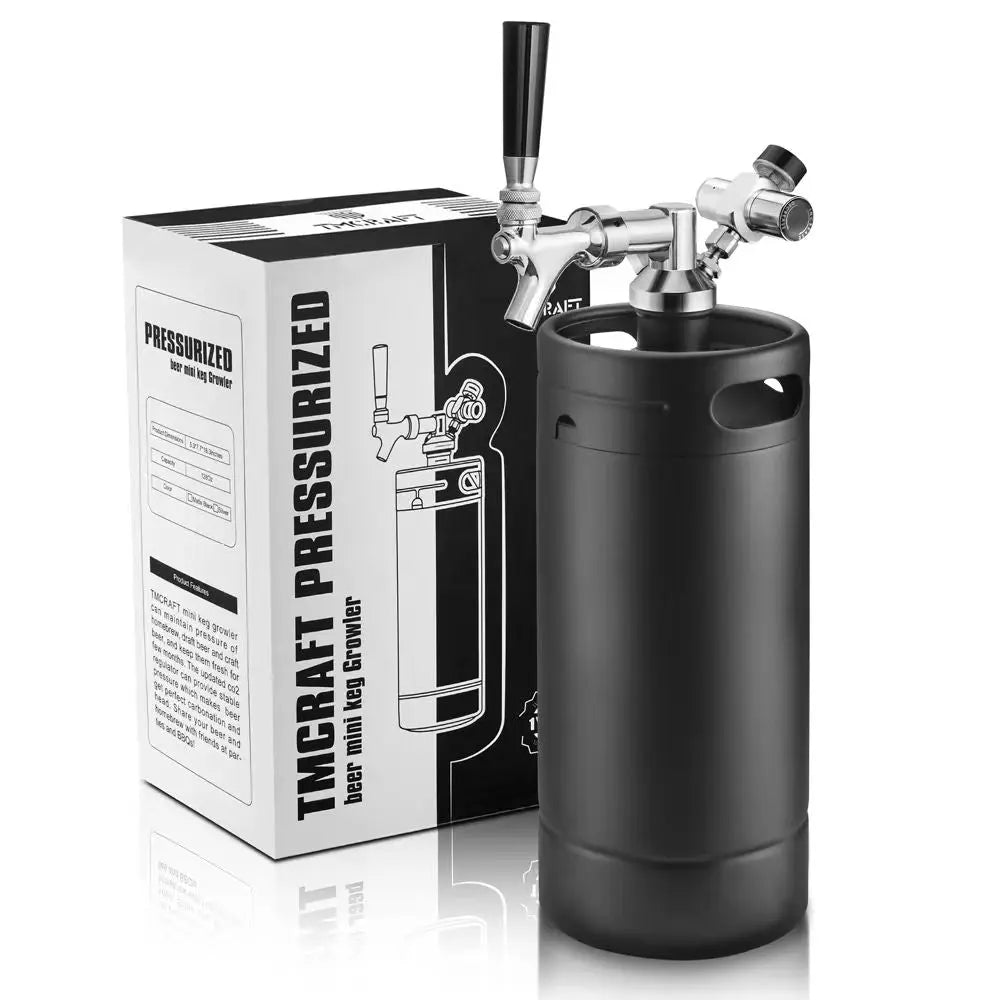


Why Does Nitro Cold Brew Need Different Serving Settings From Regular Cold Brew?
What Makes Nitro Cold Brew Different?
Cold brew coffee is known for its smooth flavor and chilled serving style. Nitro cold brew takes the experience further by introducing nitrogen gas into the dispensing process, creating a creamy texture and a distinctive cascading effect when poured.
Although both drinks can start with the same cold brew recipe, they do not always use the same serving setup. Gas choice, dispensing hardware, and operating pressure can affect how the coffee flows and feels in the glass.
If you are planning a home coffee station, office beverage area, or small event, understanding these differences helps you choose and operate your coffee keg more effectively. A stainless steel keg designed for beverage use can be part of either setup, provided it is compatible with the intended gas and dispensing equipment.
1. Regular Cold Brew vs. Nitro Cold Brew
Regular cold brew is commonly served chilled without added gas. It can be poured from a bottle, pitcher, or suitable beverage dispenser.
Nitro cold brew is infused or dispensed with nitrogen to create a smoother mouthfeel and a creamy appearance. The effect depends on the dispensing system, gas delivery method, and faucet design. A dedicated stout-style faucet or another compatible system may help produce the characteristic texture.
Here is a simple comparison:
-
Regular cold brew: Focuses on the coffee's brewed flavor and chilled refreshment.
-
Nitro cold brew: Adds a creamy texture and cascading visual effect through nitrogen dispensing.
-
Equipment needs: Nitro setups generally require compatible gas equipment and dispensing components; regular cold brew may need only a suitable container and faucet.
Neither serving style is automatically better. The right choice depends on the texture you prefer and how you plan to serve the coffee.
2. Choose the Correct Gas for Your Setup
Gas selection is an important difference between regular and nitro cold brew systems. Nitrogen is commonly used to produce the characteristic texture of nitro coffee. Some systems use a nitrogen source, while others use a nitrogen-and-carbon-dioxide blend designed for beverage dispensing.
Pure carbon dioxide is commonly associated with carbonating beer and other beverages. It behaves differently from nitrogen and does not produce the same nitro coffee texture under equivalent conditions.
Before purchasing a gas cylinder or regulator, check the coffee keg manufacturer's specifications. Confirm that the regulator, gas source, fittings, and dispensing system are compatible. A regulator intended for one gas should not be assumed to work safely with another.
Always follow the equipment's pressure limits and operating instructions. Never exceed the rated pressure of the keg or its components.
3. Understand Serving Pressure and Flow
The appropriate serving pressure depends on the equipment, gas used, temperature, and desired pour. There is no single pressure setting that works for every coffee keg.
If the pressure is too low for a particular system, the coffee may dispense slowly or fail to produce the expected texture. If the pressure is too high, the pour may become difficult to control or the equipment may be operated outside its intended range.
Start with the manufacturer's recommended settings. Check the gas supply, regulator, connections, and faucet if the coffee does not flow as expected. Change settings gradually and observe the result rather than making several adjustments at once.
Pressure should never be increased beyond the keg's specified limit to compensate for a blocked or incompatible component.
4. Keep the Coffee Cold and Fresh
Serving temperature influences the drinking experience. Nitro cold brew is generally served chilled, which helps keep it refreshing and consistent. However, temperature alone does not create the creamy nitro effect; the dispensing method and gas system also matter.
Prepare cold brew using a consistent recipe, filter it thoroughly, and refrigerate it as appropriate for your process and equipment. Fine coffee particles can accumulate around faucets or internal components and affect the pour.
Follow safe food-handling practices, keep the keg refrigerated when required, and avoid leaving prepared coffee at room temperature for extended periods. The appropriate storage period depends on the recipe, preparation conditions, and handling, so do not assume every batch has the same shelf life.
5. Clean Your Coffee Keg and Faucet Regularly
Coffee oils and residue can build up inside the keg and around the faucet, dip tube, seals, and connections. If the system is not cleaned properly, old residue may affect the flavor of fresh coffee or restrict the flow.
After use, follow the manufacturer's cleaning instructions. Use products suitable for the equipment's materials, clean the beverage-contact parts, and sanitize them as directed before refilling.
Pay particular attention to faucets used for nitro dispensing because their internal components may be more complex than a simple outlet. Disassemble parts only as instructed, and make sure everything is correctly reassembled before use.
6. Choose a Coffee Keg That Matches Your Needs
Before buying a coffee keg, consider how much cold brew you plan to serve, where the keg will be stored, and whether you want regular or nitro coffee. Check capacity, faucet design, gas compatibility, regulator requirements, cleaning access, and pressure ratings.
A compact keg may suit personal use or occasional serving, while a larger model may be more convenient for an office or gathering. The right choice is the one that works with your beverage volume and dispensing routine.
Build a Better Coffee-on-Tap Setup
Regular cold brew and nitro cold brew can begin with similar coffee, but the serving equipment makes a meaningful difference. Choose compatible gas and dispensing components, follow the recommended pressure settings, keep the coffee cold, and clean the system consistently.
With the right setup, your coffee keg can help you serve chilled coffee more conveniently while delivering the texture and flavor you want.
Link to: How to Calculate a Cold Brew Batch for Your Coffee Keg: Yield, Dilution, and Serving Size