

Mini Keg vs Beer Bottles: Which Is Better for Freshness, Cost, and Convenience?
For decades, beer bottles have been the traditional choice for storing and serving beer. They're familiar, widely available, and easy to transport. However, as homebrewing continues to grow in popularity, more enthusiasts are discovering the advantages of using a mini keg instead.
If you're deciding between a mini keg vs beer bottles, the right choice depends on how you value freshness, convenience, long-term cost, and serving experience.
Both options can produce excellent results when used properly, but they differ significantly in maintenance, carbonation control, packaging time, and beer preservation.
This guide compares the two storage methods to help you determine which solution best fits your brewing style.
Understanding the Two Storage Methods
What Is a Mini Keg?
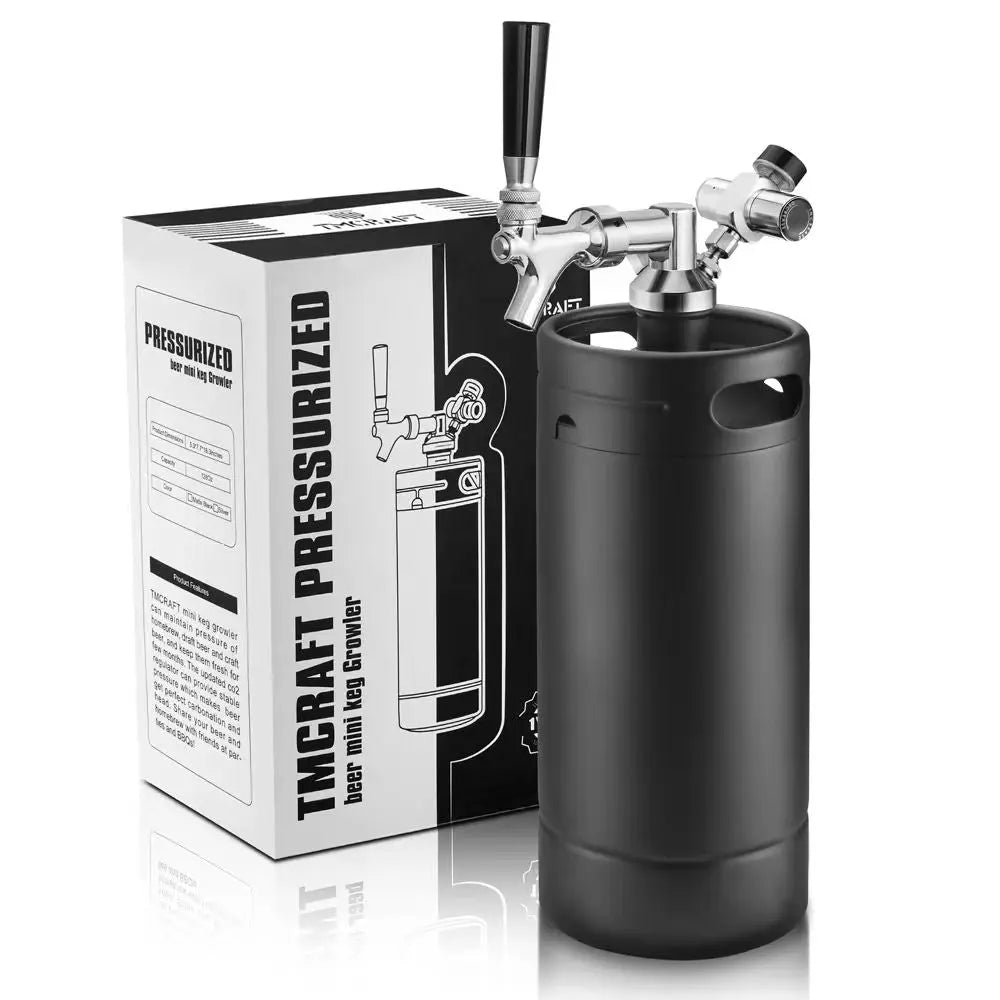
A mini keg is a reusable stainless steel container designed to store and dispense draft beer under pressure. Most systems connect to CO₂ cartridges or cylinders, allowing brewers to maintain consistent carbonation while serving beer directly from a tap.
Mini kegs are available in several capacities, making them suitable for homebrewers, outdoor gatherings, camping trips, and parties.
What Are Beer Bottles?
Beer bottles are individual glass or plastic containers used to package finished beer. Homebrewers typically carbonate bottled beer using priming sugar, allowing fermentation to create natural carbonation inside each bottle.
Although bottling remains popular, it requires more manual work than kegging.
Freshness Comparison
Freshness is one of the biggest differences in the mini keg vs beer bottles debate.
Mini Keg
A sealed stainless steel mini keg provides:
- Excellent oxygen protection
- Minimal light exposure
- Stable carbonation
- Consistent flavor
Because beer remains inside one sealed container, oxygen exposure during serving is minimized.
Beer Bottles
Each bottle is individually sealed, which helps preserve beer well. However:
- Every bottle introduces another opportunity for oxygen exposure during filling.
- Light can affect beer stored in clear or green bottles.
- Carbonation consistency depends on accurate priming.
Winner: Mini Keg
Packaging Time
Packaging can become one of the longest parts of homebrewing.
Mini Keg
A single transfer fills the entire keg.
Benefits include:
- Faster packaging
- Less cleanup
- Fewer containers to sanitize
Beer Bottles
Bottling often requires:
- Cleaning dozens of bottles
- Sanitizing every bottle
- Filling each bottle individually
- Capping each bottle
Winner: Mini Keg
Carbonation Control
Carbonation affects aroma, mouthfeel, and foam.
Mini Keg
Force carbonation allows precise adjustment using CO₂ pressure.
Advantages include:
- Faster carbonation
- Adjustable pressure
- Consistent results
Beer Bottles
Bottle conditioning depends on yeast activity and priming sugar.
Results can vary between bottles if filling or sugar distribution is inconsistent.
Winner: Mini Keg
Serving Experience
One of the biggest advantages of a mini keg is the draft experience.
Instead of opening individual bottles, users simply pour beer from the tap.
Benefits include:
- Better presentation
- Reduced waste
- Easier entertaining
- Professional-style serving
Beer bottles remain convenient for individual servings but cannot replicate fresh draft beer.
Winner: Mini Keg
Portability
Both options offer portability, but for different situations.
Mini Keg
Ideal for:
- Camping
- Tailgating
- Backyard parties
- Picnics
One container serves multiple people.
Beer Bottles
Better suited for:
- Individual gifts
- Small servings
- Easy sharing
Winner: Tie
Long-Term Cost
Initial equipment costs for a mini keg are higher.
However, long-term savings can be significant because:
- The keg is reusable.
- Fewer disposable supplies are needed.
- Less packaging waste is generated.
Beer bottles have a lower initial cost but require ongoing purchases of caps and replacement bottles.
Winner: Mini Keg
Cleaning and Maintenance
Mini Keg
Cleaning one container is generally faster than cleaning dozens of bottles.
Routine maintenance includes:
- Washing the interior
- Cleaning the faucet
- Inspecting O-rings
Beer Bottles
Every bottle must be:
- Cleaned
- Sanitized
- Inspected
This process becomes time-consuming for larger batches.
Winner: Mini Keg
Environmental Impact
A reusable mini keg generates less packaging waste over time.
Because the same keg can be used repeatedly, fewer disposable materials enter the recycling stream.
Glass bottles are recyclable, but they still require transportation, cleaning, and replacement over time.
Who Should Choose a Mini Keg?
A mini keg is ideal if you:
- Brew regularly
- Prefer draft beer
- Want faster packaging
- Like precise carbonation control
- Frequently entertain guests
Who Should Choose Beer Bottles?
Beer bottles remain a good option if you:
- Brew very small batches
- Give beer as gifts
- Prefer individual servings
- Do not plan to purchase CO₂ equipment
Why TMCRAFT Mini Kegs Stand Out
TMCRAFT mini kegs are designed for durability, portability, and reliable draft performance.
Features include:
- Food-grade 304 stainless steel
- Pressure-resistant construction
- Optional double-wall insulation on select models
- Multiple capacity options
- CO₂ dispensing compatibility
- Easy-to-clean interior
These features make TMCRAFT mini kegs an excellent choice for homebrewers seeking a professional draft experience.
Frequently Asked Questions
Is a mini keg better than beer bottles?
For many homebrewers, yes. A mini keg offers better carbonation control, faster packaging, and a true draft beer experience.
Does beer stay fresher in a mini keg?
A properly sealed stainless steel mini keg helps reduce oxygen exposure and maintain carbonation, preserving beer freshness.
Are beer bottles cheaper?
Beer bottles generally have a lower initial cost, but reusable kegs often provide better long-term value.
Which option is easier to clean?
Cleaning one mini keg is typically faster than cleaning and sanitizing dozens of bottles.
Can beginners use a mini keg?
Absolutely. Modern mini keg systems are user-friendly and suitable for brewers of all experience levels.
Conclusion
When comparing mini keg vs beer bottles, both methods have their advantages. Beer bottles remain practical for small batches and individual servings, while a mini keg offers superior freshness, easier packaging, precise carbonation, and a professional draft experience.
For homebrewers looking to simplify their process and enjoy fresh beer on tap, a reusable stainless steel mini keg is a smart long-term investment. TMCRAFT mini kegs combine durable construction, dependable performance, and convenient portability, making them an ideal solution for enjoying high-quality draft beer wherever your next adventure takes you.
Link to: How Long Does Beer Last in a Mini Keg? Storage, Freshness, and Shelf Life Explained