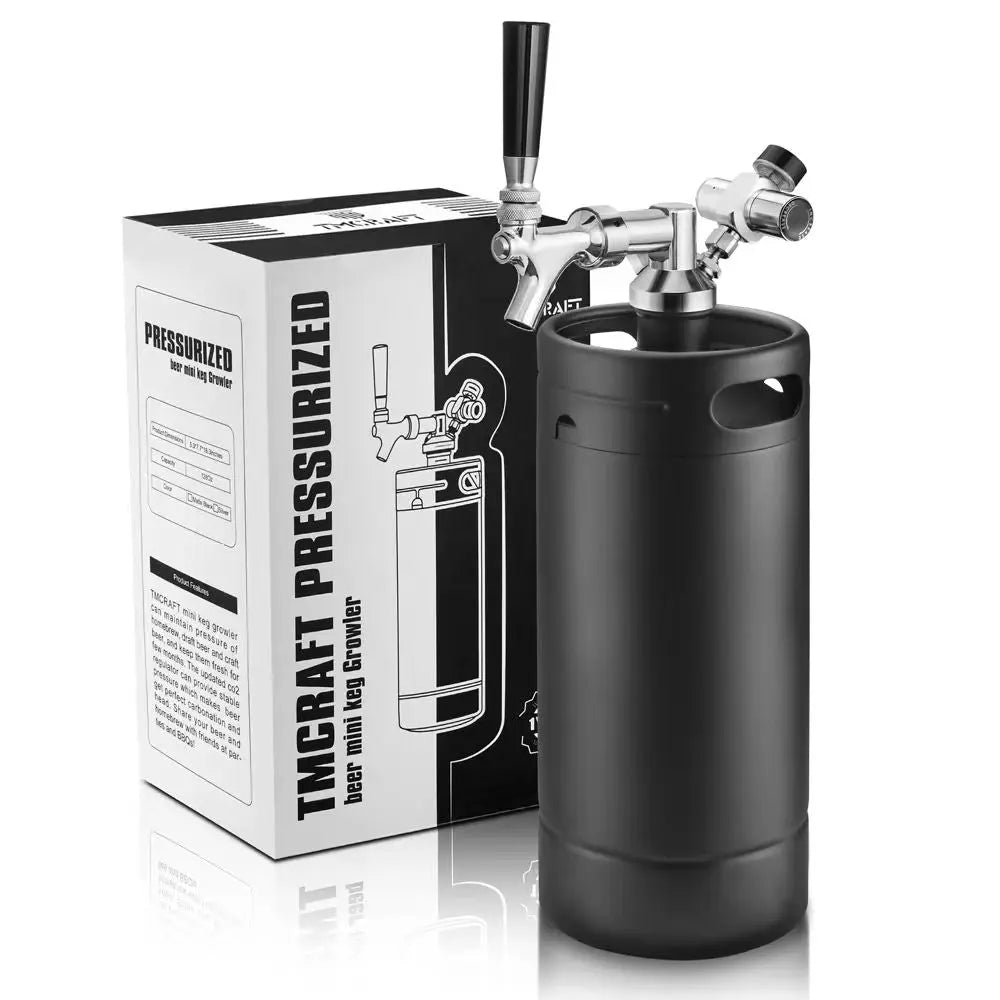


Mini Keg Systems Explained: The Smartest Way to Store, Carbonate, and Serve Draft Beer at Home
Primary Keyword
mini keg
Secondary Keywords
mini keg system, stainless steel mini keg, home draft beer, portable draft system, small beer keg, insulated mini keg, CO2 mini keg
Introduction: Draft Quality Depends on the System You Use
Many home beer enthusiasts focus heavily on brewing technique but underestimate the importance of storage and dispensing. Once beer leaves the fermenter, the environment it enters determines how well carbonation, aroma, and mouthfeel are preserved.
A mini keg is not simply a smaller version of a commercial keg—it is a compact draft management system designed for controlled storage and consistent pouring. By maintaining pressure and limiting oxygen exposure, a mini keg system allows home users to enjoy bar-quality draft beer without installing a full kegerator setup.
This guide explains how mini keg systems work, why they outperform traditional storage methods, and how to select the right configuration for home draft beer success.
What Makes a Mini Keg Different From Other Containers?
A traditional bottle or growler acts as passive storage. Once sealed, carbonation levels cannot be adjusted, and once opened, pressure escapes immediately.
A mini keg system, by contrast, is active. It integrates:
- Airtight pressure-rated construction
- Gas input (CO2 cartridge or regulator)
- Controlled dispensing tap
- Replaceable sealing components
This combination transforms storage into a controllable draft environment.
Pressure Management: The Core Advantage of a Mini Keg
Carbonation is a balance between temperature and pressure. When beer is stored at stable pressure, dissolved CO2 remains suspended in the liquid. When pressure drops, carbonation escapes.
Mini kegs maintain internal pressure through controlled CO2 input. As beer is dispensed, gas replaces the lost volume, preventing air from entering and keeping carbonation stable.
This creates three major advantages:
- Consistent mouthfeel
- Reduced foaming issues
- Longer-lasting freshness
Oxygen Is the Enemy of Draft Freshness
Oxidation dulls hop aroma and alters malt character. In open containers, oxygen exposure is unavoidable during serving.
With a sealed mini keg, air never replaces dispensed beer—CO2 does. This significantly reduces oxidation and preserves flavor clarity over multiple days or weeks, depending on storage conditions.
For hop-forward styles especially, this protection makes a noticeable difference.
Stainless Steel Construction: Why Material Choice Matters
A stainless steel mini keg offers several performance benefits:
- Non-reactive surface that does not absorb flavors
- Resistance to pressure stress
- Light-blocking protection
- Long service life
Unlike plastic containers, stainless steel does not retain odor or stain from repeated use. Compared to glass, it offers durability and improved temperature buffering.
For long-term reliability, stainless steel construction is essential.
Insulated and Double-Walled Mini Kegs
Temperature directly affects carbonation stability. When beer warms, CO2 escapes more rapidly.
An insulated mini keg or double-walled design improves thermal stability during transport and serving. This is particularly useful for:
- Outdoor gatherings
- Tailgating events
- Camping trips
- Extended serving sessions
Stable temperature helps maintain carbonation equilibrium and pouring consistency.
Choosing the Right Mini Keg Size
Mini kegs are available in multiple capacities.
64 oz Mini Keg
Ideal for small gatherings or specialty batches.
128 oz Mini Keg
A balanced option for home entertaining and moderate consumption.
1.3 Gallon Mini Keg
Suitable for parties or extended draft service.
Selecting the appropriate size ensures beer is consumed within its optimal freshness window.
CO2 Options for Mini Keg Systems
Mini keg systems typically use one of two CO2 delivery methods:
Cartridge-Based Systems
- Compact and portable
- Simple installation
- Ideal for travel
Regulator-Based Systems
- Greater pressure precision
- Ideal for frequent use
- Compatible with larger CO2 tanks
Both options support stable carbonation when properly configured.
Mini Keg vs Full-Size Kegerator
Full kegerator systems offer large capacity but require dedicated space and higher investment.
Mini keg systems provide:
- Lower cost of entry
- Refrigerator compatibility
- Easier cleaning
- Greater portability
For most home users, a mini keg delivers sufficient performance without the complexity of commercial-scale setups.
Maintenance and Cleaning Best Practices
Like any draft system, a mini keg requires routine cleaning.
Recommended steps include:
- Immediate rinsing after emptying
- Periodic deep cleaning with food-safe solutions
- Inspecting and replacing O-rings
- Cleaning taps and dip tubes
Consistent maintenance ensures flavor neutrality and long equipment life.
Common Mini Keg Setup Errors
Over-Pressurizing
Too much pressure can cause excessive foam and inconsistent pours.
Skipping Oxygen Purge
Failing to purge air before pressurizing introduces oxidation risk.
Inconsistent Refrigeration
Temperature fluctuations destabilize carbonation.
Avoiding these mistakes improves system reliability.
Applications Beyond Beer
Although designed for home draft beer, mini kegs are also used for:
- Kombucha
- Sparkling water
- Cold brew coffee
- Infused beverages
Their flexibility increases overall value for home beverage enthusiasts.
Why TMCRAFT Mini Kegs Support Reliable Draft Performance
TMCRAFT mini kegs are built with:
- Food-grade stainless steel bodies
- Secure pressure relief valves
- Durable seals
- Optional insulated designs
These features help maintain carbonation control and protect beverage quality across varied environments.
Final Thoughts: A Mini Keg Is a Draft Strategy, Not Just a Container
A mini keg system offers controlled pressure, oxidation protection, and consistent dispensing in a compact format. For home draft beer enthusiasts seeking professional-style performance without a full kegerator installation, a stainless steel mini keg provides the ideal balance of convenience and control.
By managing pressure and minimizing oxygen exposure, a mini keg transforms how draft beer is stored and served—ensuring each pour maintains the intended flavor, texture, and carbonation.
Link to: Why Mini Kegs Are the Most Efficient Way to Serve Fresh Draft Beer at Home