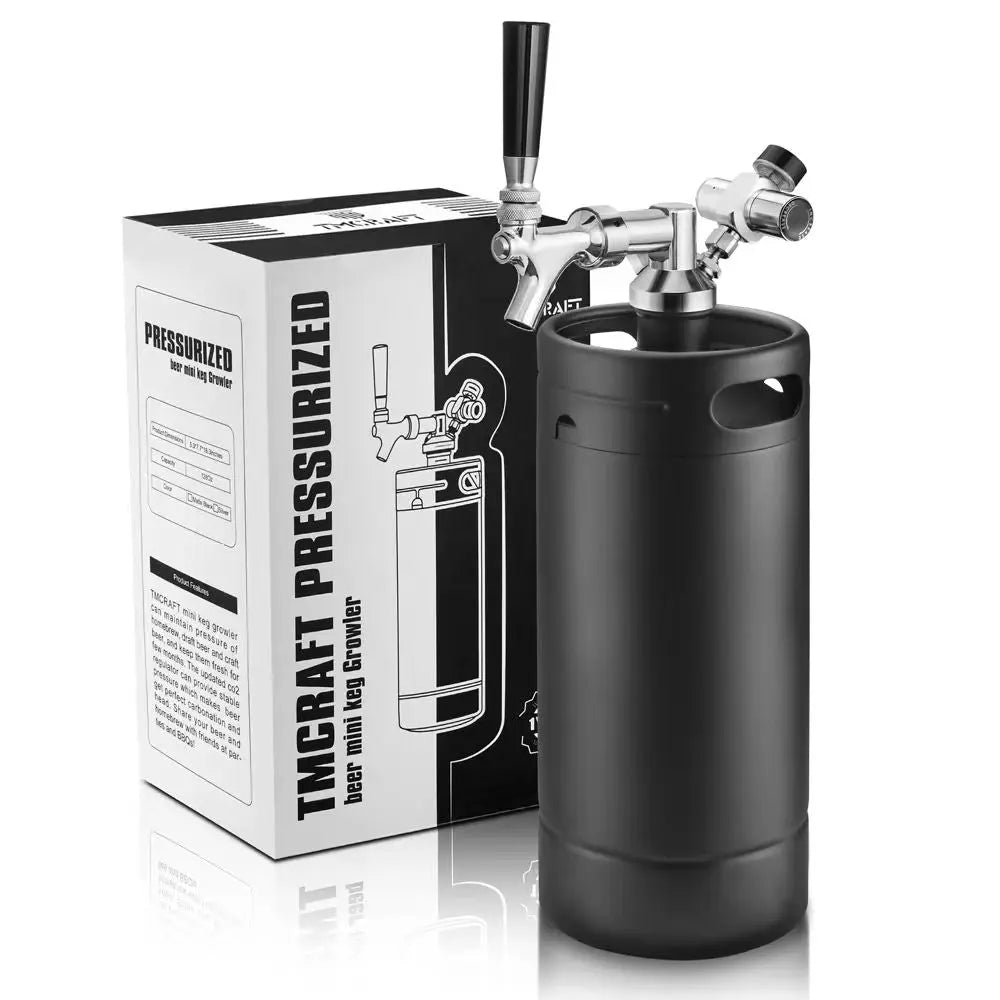


Mini Keg Maintenance Guide: 10 Simple Habits That Extend the Life of Your Keg System
A quality mini keg is an investment in better beverage storage, improved portability, and enhanced serving experiences. Whether you use your keg for homebrew beer, cold brew coffee, kombucha, sparkling water, or cocktails, proper care plays a critical role in ensuring reliable long-term performance.
Fortunately, maintaining a stainless steel mini keg doesn't require specialized knowledge or expensive tools. Small habits practiced consistently can dramatically extend the lifespan of your equipment while preserving beverage quality.
Neglecting maintenance may lead to unwanted flavors, pressure inconsistencies, damaged seals, or reduced system efficiency. By developing a simple routine, users can protect both their investment and their beverages.
This mini keg maintenance guide outlines ten practical habits that help maximize the performance and longevity of your keg system.
Why Mini Keg Maintenance Matters
Many consumers assume stainless steel equipment requires little attention.
Although stainless steel mini kegs are exceptionally durable, routine care still influences:
- Beverage freshness
- Seal integrity
- Pressure reliability
- Dispensing performance
- Equipment lifespan
Consistent maintenance also helps prevent unexpected issues that may disrupt serving experiences.
1. Clean Your Mini Keg Immediately After Use
One of the most effective maintenance habits is prompt cleaning.
Allowing residue to remain inside the keg increases the likelihood of:
- Flavor carryover
- Bacterial growth
- Difficult cleaning sessions
- Staining
Whenever possible, rinse the keg soon after it becomes empty.
Even a simple water rinse helps prevent buildup.
2. Use Proper Cleaning Solutions
Understanding how to clean a mini keg begins with selecting appropriate cleaning products.
Avoid harsh chemicals that may damage seals or leave undesirable residues.
Instead, choose cleaners specifically designed for food-contact beverage equipment.
Effective cleaning removes:
- Sugars
- Oils
- Proteins
- Fermentation residue
Always follow manufacturer instructions regarding concentration and contact time.
3. Inspect O-Rings Regularly
O-rings provide critical sealing functions within a mini keg system.
Over time, they may experience:
- Wear
- Drying
- Cracking
- Compression damage
Routine inspections help identify problems before leaks develop.
Replacing inexpensive O-rings proactively often prevents more significant issues later.
4. Avoid Using Abrasive Cleaning Tools
Although stainless steel offers impressive durability, aggressive scrubbing can damage surfaces.
Avoid:
- Steel wool
- Harsh scouring pads
- Metal brushes
Instead, use soft cloths, non-abrasive sponges, or keg-specific cleaning brushes.
Protecting the interior finish helps preserve sanitation effectiveness.
5. Dry Components Thoroughly
Moisture trapped within system components may contribute to odor development.
After cleaning:
- Allow parts to air dry completely.
- Store components in clean environments.
- Avoid sealing wet equipment for extended periods.
These simple habits support better long-term hygiene.
6. Monitor Pressure Levels Carefully
Proper pressure management represents an important aspect of mini keg care.
Excessive pressure may strain:
- Seals
- Valves
- Fittings
Insufficient pressure can affect dispensing performance.
Users should understand the operating recommendations associated with their specific system.
Monitoring pressure regularly promotes both safety and reliability.
7. Store Your Mini Keg Correctly
Storage conditions influence equipment longevity.
Whenever possible:
- Store in cool environments.
- Protect from prolonged direct sunlight.
- Avoid stacking heavy objects on top of the keg.
- Keep components organized.
Proper storage minimizes unnecessary wear.
8. Lubricate Seals When Recommended
Certain systems benefit from food-grade lubricant applications.
Lubrication may help:
- Improve sealing performance
- Reduce friction
- Extend O-ring lifespan
Only use products approved for beverage applications.
Excessive lubrication should be avoided.
9. Inspect Dispensing Components Frequently
Dispensing systems include several important parts.
These may include:
- Faucets
- Connectors
- Valves
- Tubing
Periodic inspections help identify:
- Residue buildup
- Loose fittings
- Signs of wear
Addressing small issues early often prevents larger maintenance challenges.
10. Develop a Consistent Maintenance Schedule
Perhaps the most important habit involves consistency.
Consider creating a simple schedule that includes:
After Every Use
- Rinse the keg.
- Clean dispensing components.
Monthly
- Inspect O-rings.
- Check pressure-related hardware.
Quarterly
- Perform deep cleaning.
- Evaluate replacement needs.
Routine attention keeps equipment functioning optimally.
Signs Your Mini Keg May Need Maintenance
Even well-maintained systems occasionally require attention.
Common warning signs include:
- Difficulty maintaining pressure
- Unusual odors
- Leaking connections
- Reduced dispensing performance
- Visible seal deterioration
Responding promptly helps avoid more extensive repairs.
Why Stainless Steel Mini Kegs Are Worth Maintaining
The popularity of the stainless steel mini keg stems from its durability and versatility.
Benefits include:
Exceptional Longevity
With proper care, stainless steel equipment can last for years.
Flavor Neutrality
Does not retain previous beverage flavors.
Resistance to Corrosion
Suitable for repeated use.
Sustainable Design
Supports reduced dependence on disposable packaging.
Routine maintenance protects these valuable characteristics.
Why TMCRAFT Mini Kegs Support Easy Maintenance
TMCRAFT mini kegs are engineered to simplify ownership.
Features that support mini keg maintenance include:
- Food-grade stainless steel construction
- Easy-access openings
- Durable sealing systems
- User-friendly dispensing components
- Multiple capacity options
These design considerations help users maintain excellent beverage experiences with minimal effort.
Frequently Asked Questions
How often should I clean my mini keg?
Ideally, cleaning should occur immediately after each use.
What is the best way to clean a mini keg?
The safest approach involves using beverage-equipment cleaners designed for food-contact applications.
How often should O-rings be replaced?
Replacement frequency depends on usage patterns, but regular inspections are recommended.
Can improper maintenance affect beverage taste?
Yes. Residue buildup and worn components may negatively influence flavor quality.
Are stainless steel mini kegs difficult to maintain?
No. A stainless steel mini keg generally requires only simple, consistent care routines.
Conclusion
Proper mini keg maintenance does not require extensive expertise or complicated procedures. Instead, the longevity of your system depends largely on developing a handful of practical habits and applying them consistently.
By cleaning promptly, monitoring seals, managing pressure appropriately, and performing routine inspections, users can significantly extend the life of their mini keg while preserving beverage quality.
Whether you're dispensing homebrew beer, cold brew coffee, kombucha, or sparkling water, a well-maintained stainless steel mini keg delivers dependable performance year after year. TMCRAFT mini kegs are designed with durability and convenience in mind, helping users enjoy exceptional beverage experiences with confidence and ease.
Link to: 7 Unexpected Ways People Are Using Mini Kegs Beyond Beer