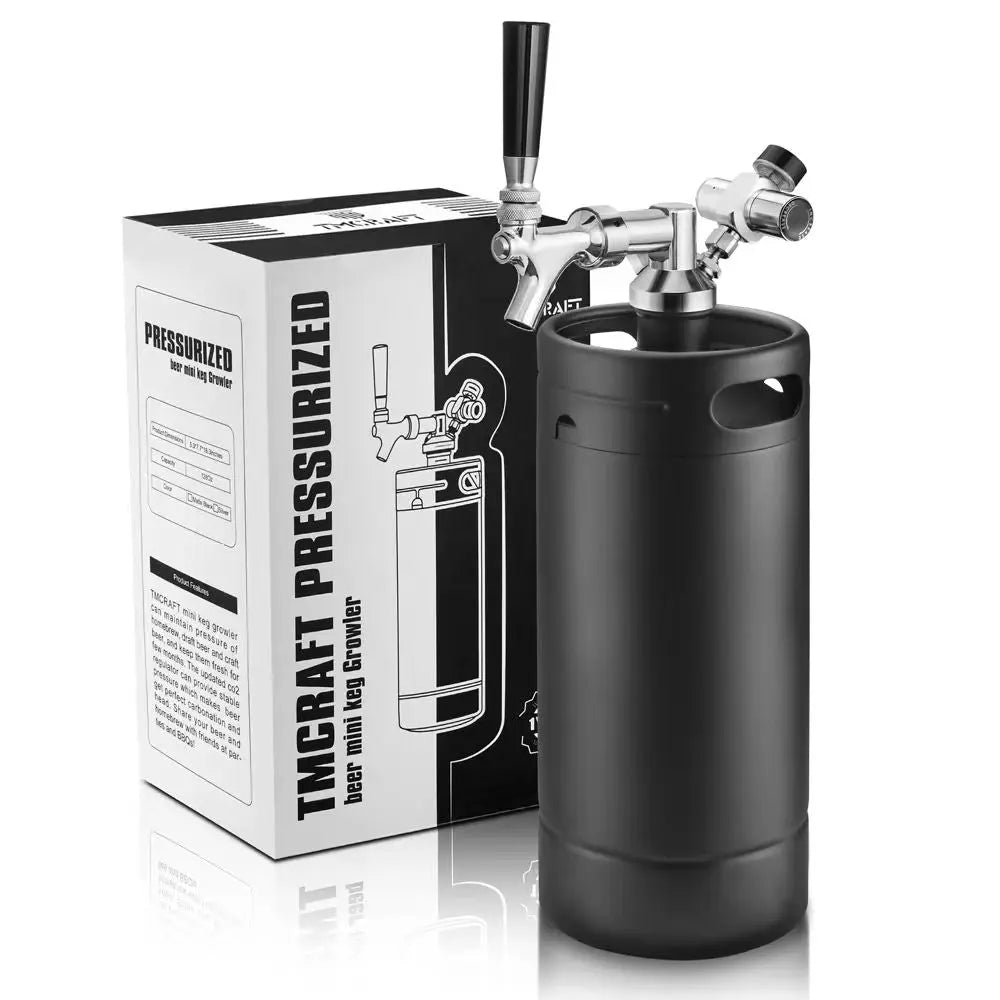


How to Tell if a Mini Keg Seal Needs Replacing: Signs, Causes, and Simple Checks
A mini keg can hold your favorite beer, cold brew, or other beverages and keep them ready to pour. But even a well-made keg depends on small seals and O-rings to keep everything closed and working properly.
If your mini keg seems to lose pressure, leak around the lid, or stop dispensing normally, the problem may be a worn or incorrectly installed seal. Before replacing the entire keg, it is worth checking the seals first.
What Does a Mini Keg Seal Do?
A mini keg seal creates a tight connection between parts of the keg. Depending on the design, seals or O-rings may be found around the lid, fittings, posts, faucet, or other connections.
When the seal is clean and properly positioned, it helps keep beverage and gas where they belong. If the seal becomes damaged, dirty, dry, or incorrectly installed, the keg may not maintain a proper seal.
This is especially important for a pressurized draft system because even a small leak can affect performance.
Check for Pressure Loss
One of the easiest signs of a possible seal problem is pressure loss.
For example, you may carbonate or pressurize the keg and notice that the pressure does not stay where you expect it to. If the connections and other parts are working correctly, inspect the seals and O-rings.
Do not immediately assume that the keg itself is damaged. Check the lid seal, gas connection, liquid connection, and other connection points one at a time.
Always follow the pressure rating and operating instructions provided for your specific keg.
Look for Visible Damage
Remove and inspect the seal when appropriate for your keg design. Look for cracks, cuts, flattening, unusual stretching, or other visible damage.
An O-ring can also become less flexible over time. A seal that no longer sits correctly in its groove may have trouble creating a reliable connection.
If you notice obvious damage, replacing the seal is usually more practical than continuing to use a worn component.
Keep the Seal Clean
Not every leak means the seal needs to be replaced.
Small particles, dried beverage residue, or other debris can prevent an O-ring from sitting correctly. Coffee, sugary drinks, and other beverages can leave residue around connections if the equipment is not cleaned regularly.
Clean the appropriate parts according to the manufacturer's instructions, then inspect the seal again.
A clean seal and a clean sealing surface are important parts of a reliable draft keg setup.
Make Sure the Seal Is Installed Correctly
An O-ring can be in good condition and still cause problems if it is installed incorrectly.
Check that the seal is sitting evenly in its groove and is not twisted or pinched. When reinstalling a lid or fitting, make sure everything is properly aligned before applying pressure.
Avoid forcing parts together if something does not seem to fit. The correct replacement seal should match the keg and component it is designed for.
When Should You Replace It?
Consider replacing a mini keg O-ring when it shows visible damage, no longer fits correctly, or continues to leak after cleaning and proper installation.
It is also helpful to keep a few compatible replacement seals available if you regularly use your keg. A small O-ring is inexpensive compared with losing a full batch of beverage because of a preventable leak.
For a stainless steel keg, the metal body can be durable, but the seals and other smaller components still require regular inspection and maintenance.
A Small Part Can Make a Big Difference
A mini keg does not need complicated maintenance, but small components deserve attention. Checking the seals regularly can help you find problems before they affect carbonation, dispensing, or the beverage inside.
When your mini keg seal is clean, undamaged, and correctly installed, your keg has a better chance of maintaining a reliable seal and giving you a smoother serving experience.
Link to: How Do You Know When a Mini Keg Is Empty? Simple Signs to Check Before the Last Pour