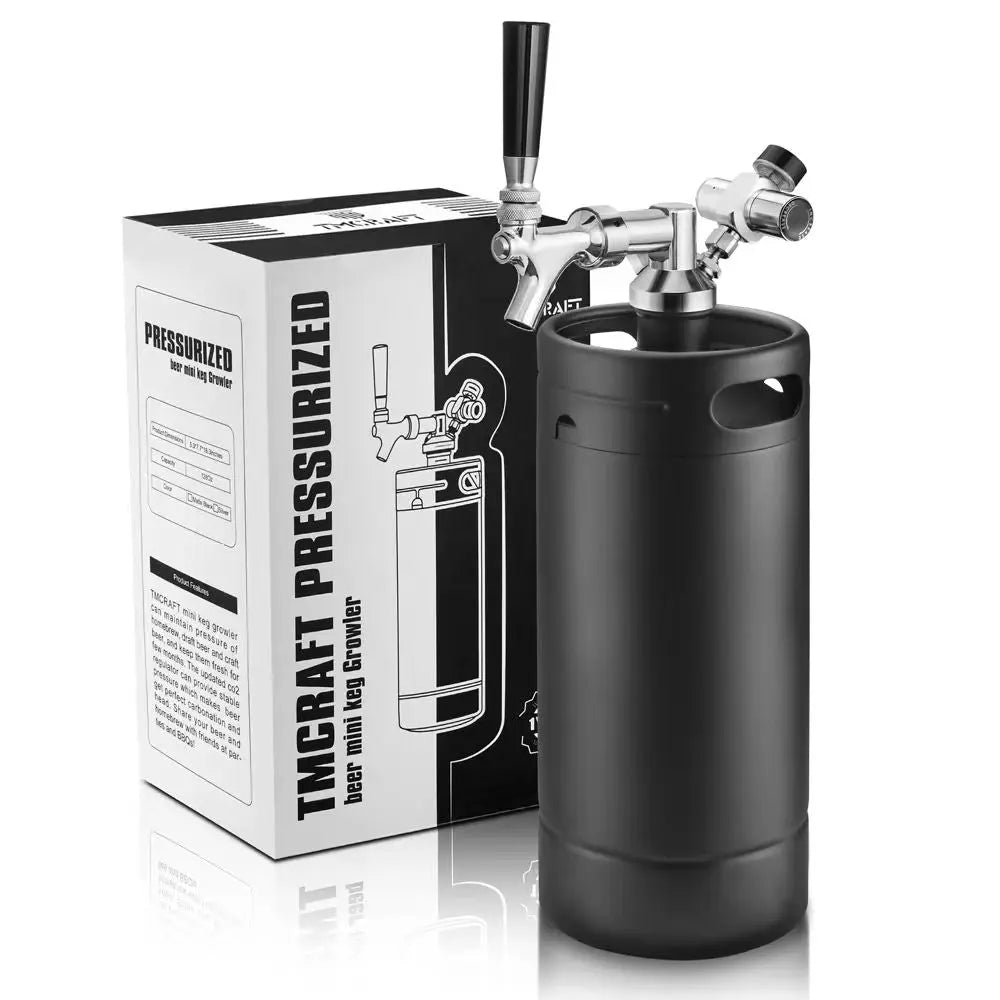


How to Read Mini Keg Specifications: Capacity, Connections, and Pressure Ratings Explained
When shopping for a mini keg, it is easy to focus only on the size and appearance. But the product specifications can tell you much more about how the keg will work in your home, refrigerator, bar, or outdoor setup.
Terms such as capacity, connection type, pressure rating, material, and dispensing method may look technical at first. Once you understand what they mean, comparing different kegs becomes much easier.
Start With Mini Keg Capacity
The first specification most people notice is capacity.
Mini kegs are available in different sizes, from smaller options for personal use to larger models designed for parties, gatherings, or longer serving periods. Capacity tells you approximately how much beverage the keg can hold, but it should not be confused with the amount you should always fill.
Always follow the manufacturer's recommended fill level and leave the required headspace when the system calls for it.
Think about how you normally drink or serve beverages. A smaller mini keg capacity may be convenient for one or two people, while a larger keg may make more sense when serving several guests.
Check the Connection Type
The next specification to look at is the connection system.
A mini keg may use different gas and beverage connections depending on its design. Some systems are designed for simple dispensing, while others can connect to a regulator, faucet, or ball-lock components.
Before purchasing replacement parts or accessories, check that the connection type matches your keg.
This is particularly important if you already own a regulator, faucet, beverage line, or other draft equipment. A visually similar fitting is not necessarily compatible.
Understand Pressure Ratings
Pressure is another important part of mini keg specifications.
A pressure rating tells you the pressure that the manufacturer has designed or tested the vessel to handle. It should never be treated as a target pressure for every beverage or situation.
Carbonation and dispensing pressure depend on the beverage, temperature, gas, equipment, and manufacturer's instructions.
For this reason, do not assume that two mini kegs with similar capacities have identical pressure specifications. Always check the rating for the specific model you are using.
If you are carbonating a beverage, follow the appropriate carbonation guidance and the keg manufacturer's limits rather than choosing a pressure simply because it worked with another keg.
Look at the Material
Material is another useful specification when comparing kegs.
A stainless steel keg is commonly chosen for beverage applications because stainless steel is durable and can be cleaned thoroughly when properly manufactured and maintained.
However, material alone does not tell you everything about a keg. Also look at the construction, fittings, seals, finish, and intended use.
For people who use a keg repeatedly, easy cleaning and durable components can be just as important as the appearance of the keg.
Check the Dispensing System
The dispensing method can change how convenient a keg is to use.
Some mini kegs are designed with a basic faucet, while others can work with a regulator and more advanced draft components. A system with adjustable flow can provide more control when serving different beverages.
Think about where you plan to use the keg. A compact setup may be useful in a refrigerator, while a larger dispensing arrangement may be more convenient for a party or dedicated home bar.
Consider Storage and Everyday Use
Specifications should also help you decide whether a keg will fit your lifestyle.
Measure your refrigerator or storage area before buying a keg. Check the keg's overall height and width rather than looking only at its stated capacity.
If you plan to take the keg outside, consider its weight when filled and how easily it can be carried. If you plan to use it at home, consider how the faucet, regulator, and tubing will fit around the refrigerator or serving area.
Read the Specifications Before You Buy
Mini keg specifications are not just technical information on a product page. They help you understand whether a keg matches your beverage, equipment, storage space, and serving habits.
Before choosing a keg, check capacity, connections, pressure rating, material, dispensing method, and dimensions. These details can help you avoid buying accessories that do not fit or choosing a keg that is too large or too small for your needs.
Once you know what each specification means, comparing different mini kegs becomes much simpler—and you can choose a setup based on how you actually plan to use it.
Link to: How to Choose the Right Faucet for a Mini Keg: Flow, Fit, and Serving Style