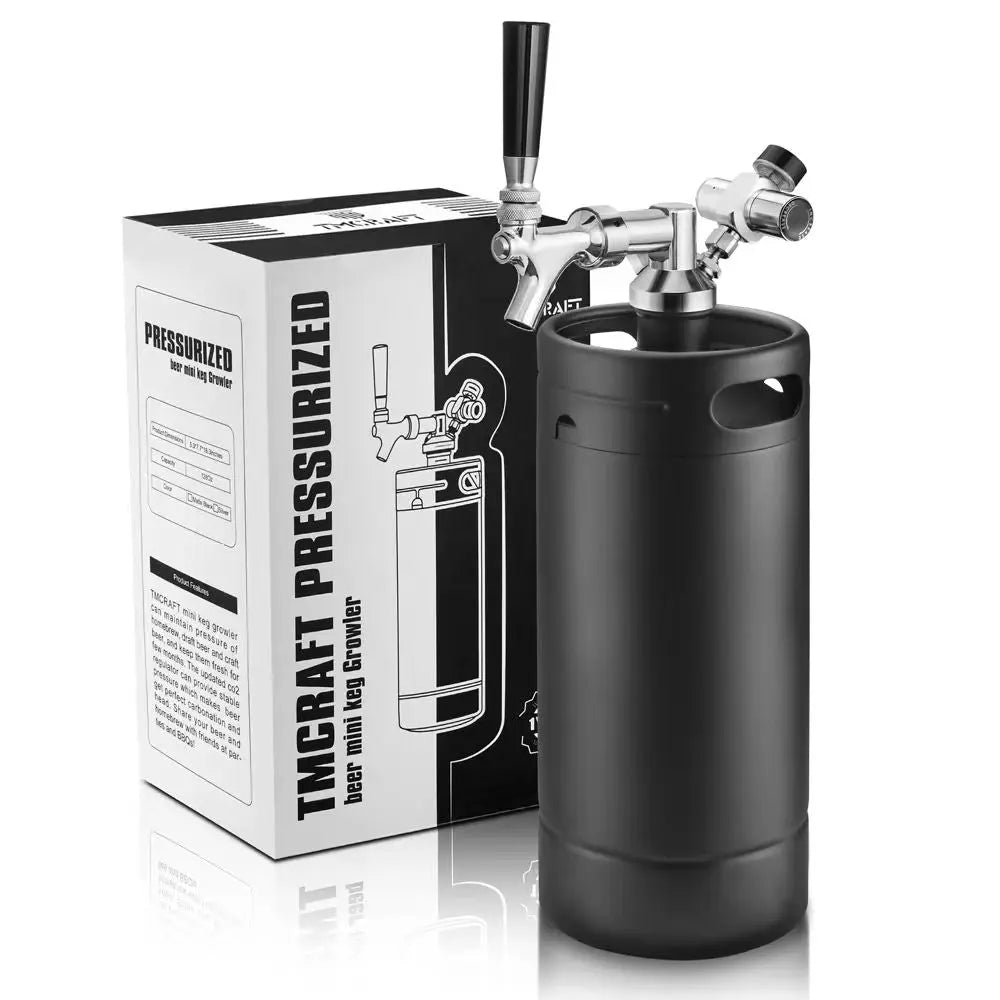


How to Carbonate Beer in a Mini Keg: Fast Methods for Fresh Draft Beer at Home
Primary Keywords:
mini keg, carbonate beer in a mini keg, mini keg system, stainless steel mini keg
Secondary Keywords:
force carbonate beer, portable draft system, homebrew mini keg, mini keg CO2 system, TMCRAFT mini keg
Carbonation is one of the most important steps in brewing great beer. Even a perfectly brewed recipe can feel flat, lifeless, or overly foamy if carbonation is wrong. That is why more homebrewers are using a mini keg instead of bottles.
A modern mini keg system gives you more control over carbonation, faster results, and a true draft experience at home. Instead of waiting weeks for bottle conditioning, you can carbonate efficiently and pour fresh beer whenever you want.
In this guide, you’ll learn how to carbonate beer in a TMCRAFT mini keg, the best pressure methods to use, common mistakes to avoid, and how to keep your beer tasting fresh from first pour to last.
Why Use a Mini Keg for Carbonation?
Traditional bottles can carbonate beer, but they come with limitations:
- Long wait times
- Inconsistent carbonation levels
- More cleaning work
- Greater oxygen exposure
- Less control after packaging
Kegging systems are widely promoted in the homebrew market because they reduce bottling labor and shorten carbonation time.
A mini keg solves these issues by letting you control pressure directly.
Main benefits include:
- Faster carbonation
- Adjustable pressure
- Easy serving
- Better freshness retention
- Compact storage
- Portable draft system convenience
What Is a Mini Keg?
A mini keg is a compact pressurized container designed to store and dispense beverages. Many homebrewers choose stainless steel models because they are durable, reusable, and flavor-neutral.
Common sizes include:
- 64oz mini keg
- 128oz mini keg
- 170oz mini keg (about 5 liters / 1.3 gallons)
Mini keg systems are popular for small batches, travel, and parties because they provide draft-style pouring without a full kegerator.
Two Ways to Carbonate Beer in a Mini Keg
There are two main methods:
- Force Carbonation – uses CO2 pressure for faster results
- Natural Carbonation – uses priming sugar and yeast activity
Both methods work, but most brewers prefer force carbonation for speed and consistency.
Method 1: Force Carbonation (Fastest Option)
Force carbonation uses external CO2 pressure to dissolve gas into cold beer.
What You Need
- Filled mini keg
- CO2 cartridges or tank
- Regulator
- Chilled beer
- Serving tap
Many modern mini keg systems are designed around this setup.
Step-by-Step Force Carbonation
Step 1: Chill the Beer
Cold liquid absorbs CO2 much better than warm liquid.
For best results:
- Chill keg to refrigerator temperature
- Aim for around 36–40°F (2–4°C)
Step 2: Connect CO2
Attach your regulator and gas source securely.
Check all seals before pressurizing.
Step 3: Apply Pressure
Set the regulator to approximately:
- 20–25 PSI for faster carbonation
- 10–12 PSI for slower serving carbonation
Higher pressure works faster, but balance matters.
Step 4: Wait
Typical timelines:
- Fast method: 24–48 hours
- Gentle method: 3–5 days
Step 5: Reduce to Serving Pressure
Before pouring, lower pressure to serving range.
Usually:
- 8–12 PSI depending on style and line setup
Method 2: Natural Carbonation
Natural carbonation uses priming sugar. Remaining yeast ferments the sugar and creates CO2 inside the keg.
Best For:
- Traditional brewers
- Those without external CO2 for carbonation
- Softer carbonation preferences
Basic Process:
- Add measured priming sugar
- Fill keg with finished beer
- Seal keg
- Store at room temperature for 1–2 weeks
- Chill before serving
Some brewers still use this classic method in smaller keg formats.
Force Carbonation vs Natural Carbonation
| Feature | Force Carbonation | Natural Carbonation |
|---|---|---|
| Speed | Fast | Slow |
| Control | Excellent | Moderate |
| Equipment Needed | More | Less |
| Consistency | High | Variable |
| Best for Beginners | Yes | Yes |
For most users, a mini keg with CO2 system offers the easiest path to reliable results.
Common Carbonation Mistakes to Avoid
1. Carbonating Warm Beer
Warm beer absorbs less CO2 and may lead to frustration.
Always chill first.
2. Too Much Pressure
Overcarbonation can cause foam explosions and harsh pours.
Use measured adjustments, not guesswork.
3. Leaky Connections
If gas escapes, carbonation drops.
Check:
- O-rings
- Threads
- Disconnects
- Lid seal
4. Pouring Too Soon
Even under pressure, beer needs time for CO2 to dissolve fully.
Patience improves results.
Why Stainless Steel Mini Kegs Perform Better
A stainless steel mini keg is the preferred choice for several reasons.
Better Durability
Resists dents and breakage better than glass.
Flavor Protection
Does not absorb odors or flavors.
Easy Cleaning
Smooth interior surfaces simplify sanitation.
Long-Term Reuse
A quality keg can last for years with proper care.
Best Mini Keg Uses Beyond Beer
A mini keg is not limited to beer. Many users also store:
- Sparkling water
- Cocktails
- Kombucha
- Cold brew coffee
- Cider
- Tea beverages
That makes a mini keg one of the most versatile beverage tools you can own.
Why Choose TMCRAFT Mini Kegs?
TMCRAFT designs keg systems for freshness, portability, and ease of use.
Benefits include:
- Food-grade stainless steel
- Multiple sizes available
- Leak-resistant sealing design
- Compatible with CO2 accessories
- Great for homebrewers and events
- Reusable and easy to clean
Whether you brew weekly or only for special occasions, TMCRAFT helps you serve better drinks with less hassle.
Who Should Buy a Mini Keg?
A mini keg is ideal for:
Homebrewers
Upgrade from bottles and improve carbonation control.
Apartment Brewers
Compact size fits smaller spaces.
Outdoor Entertainers
Bring fresh draft beer anywhere.
Gift Buyers
Great for beer lovers and hobby brewers.
Small Batch Experimenters
Perfect for test recipes.
Final Verdict
If you want faster carbonation, better freshness, and easier serving, a mini keg is one of the smartest brewing upgrades available.
Instead of waiting on bottles and hoping for consistent results, you can control pressure directly and enjoy fresh draft beer at home.
A TMCRAFT mini keg gives you the convenience of portability with the performance of a professional draft system.
Link to: Mini Keg vs Bottles: Why Homebrewers Are Switching to Portable Draft Systems in 2026