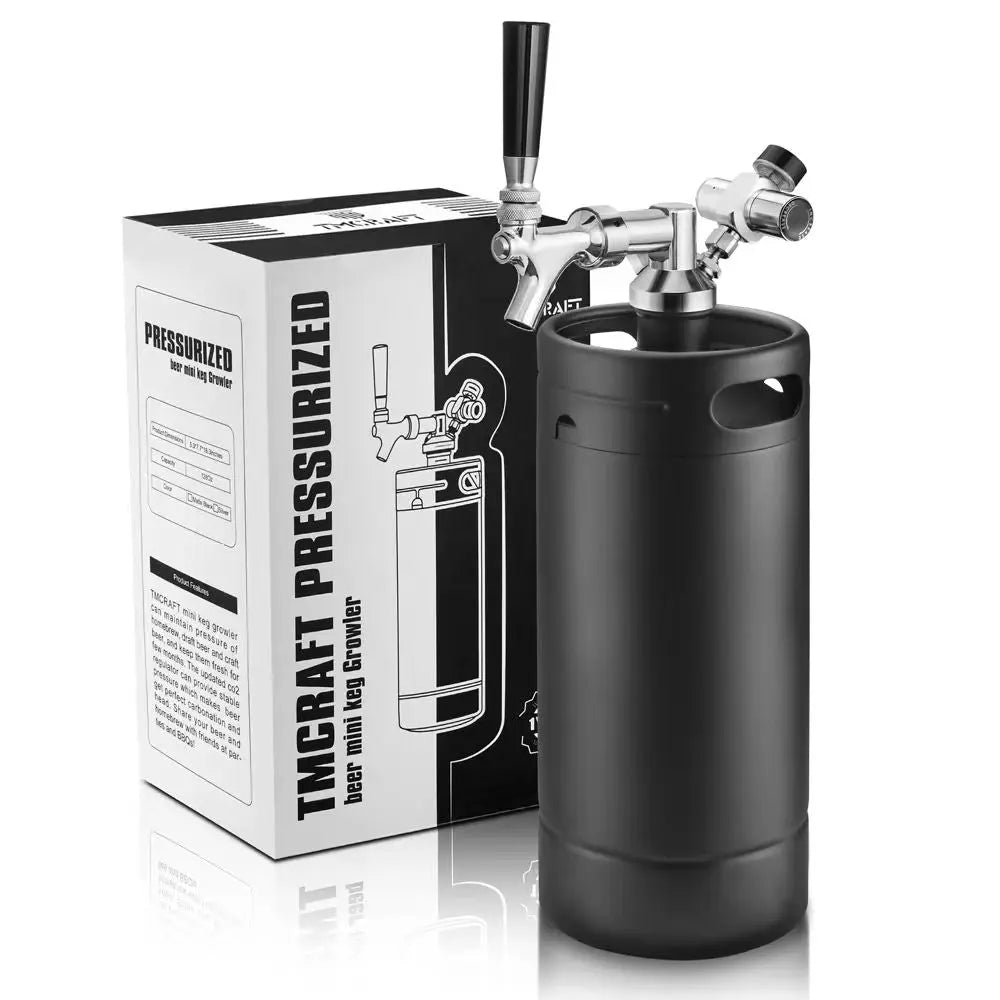


How to Build a Cold Brew Coffee Keg Setup for Cafés, Offices and Home Bars
Primary Keywords:
coffee keg, coffee keg system, cold brew coffee keg setup, stainless steel coffee keg
Secondary Keywords:
cold brew keg system, nitro coffee keg, coffee on tap, reusable coffee keg, TMCRAFT coffee keg
Cold brew coffee is no longer a niche drink. It has become a year-round favorite in cafés, offices, restaurants, and home beverage stations. Customers and coffee lovers want smooth flavor, low acidity, fast service, and café-quality convenience.
That growing demand is why more people are installing a coffee keg system.
Instead of storing coffee in pitchers or serving individual bottles, a keg setup lets you keep cold brew fresh and pour it on demand. It saves time, improves consistency, and creates a premium tap experience.
Whether you run a business or want a professional home setup, this guide explains how to build a complete cold brew coffee keg setup using the right equipment and best practices.
Why Use a Coffee Keg for Cold Brew?
Traditional storage methods can work, but they often create limitations:
- Slower service
- Inconsistent portions
- More packaging waste
- Less freshness protection
- Messy storage
- Lower visual appeal
A coffee keg solves these issues by turning cold brew into a ready-to-pour beverage system.
Main benefits include:
- Fast dispensing
- Better flavor consistency
- Sealed freshness
- Easy refrigeration
- Professional presentation
- Scalable beverage service
These same convenience themes are common in leading beverage equipment and brewing education content because they match real customer pain points.
What Is a Coffee Keg System?
A coffee keg system is a setup that stores and dispenses cold coffee beverages from a pressurized stainless steel keg.
It may include:
- Coffee keg
- Tap or faucet
- Gas system (optional depending on setup)
- Beverage lines
- Refrigerator or kegerator space
- Cleaning supplies
Many users serve:
- Cold brew coffee
- Nitro coffee
- Iced coffee concentrate
- Coffee cocktails
- Tea beverages
A well-designed system works for commercial and personal use.
Who Should Build a Coffee Keg Setup?
A cold brew keg system is ideal for:
Cafés
Speed up rush-hour service and expand premium drink menus.
Offices
Offer fresh cold brew to teams and guests.
Restaurants
Add specialty coffee without complex prep.
Catering & Events
Portable beverage service for conferences and weddings.
Home Bars
Enjoy café-style cold brew anytime.
Mobile Coffee Businesses
Serve efficiently in compact spaces.
Equipment You Need for a Coffee Keg Setup
1. Stainless Steel Coffee Keg
The keg is the heart of the system.
Why stainless steel matters:
- Durable
- Flavor neutral
- Easy to clean
- Professional appearance
- Long-term reusable value
A stainless steel coffee keg is preferred over lower-grade containers.
2. Dispensing Tap
A faucet or picnic tap allows clean, controlled pouring.
This improves workflow and reduces spills.
3. Gas Source (Optional)
Some systems use pressure only for dispensing. Nitro systems use nitrogen for texture and presentation.
Depending on setup, you may use:
- CO2
- Nitrogen
- N2 / N2O cartridges
- Manual dispensing systems
Choose based on beverage style.
4. Beverage Lines and Connectors
Lines move coffee from keg to faucet.
Use food-safe tubing and secure fittings.
5. Refrigeration
Cold brew should remain chilled for quality and food safety.
Common options:
- Refrigerator shelf space
- Kegerator
- Commercial under-counter cooler
- Portable cold storage for events
6. Cleaning Supplies
You need regular maintenance tools:
- Food-safe cleaner
- Sanitizer
- Brushes
- Rinse water
- Spare seals
Clean systems pour better drinks.
Step-by-Step: How to Build Your Coffee Keg Setup
Step 1: Brew and Filter Your Cold Brew
Prepare your cold brew recipe and filter it thoroughly.
Fine particles can clog lines or create sediment.
Smooth filtration improves serving performance.
Step 2: Chill the Coffee
Cold liquid is ready to serve faster and stores better.
Refrigerate before filling the keg when possible.
Step 3: Sanitize the Keg
Before use:
- Clean interior
- Sanitize lid
- Sanitize fittings
- Sanitize lines
This protects flavor and shelf quality.
Step 4: Fill the Coffee Keg
Transfer the coffee carefully into the keg.
Tips:
- Minimize splashing
- Leave small headspace
- Seal immediately
Reducing oxygen exposure helps maintain freshness.
Step 5: Connect the Dispensing System
Attach lines, faucet, and gas system if used.
Check all fittings securely.
Step 6: Test the Pour
Dispense a sample and inspect:
- Flow speed
- Foam level
- Flavor
- Cleanliness
Make small adjustments if needed.
Coffee Keg vs Pitchers and Bottles
| Feature | Coffee Keg | Pitchers / Bottles |
|---|---|---|
| Service Speed | Fast | Moderate |
| Freshness Protection | Strong | Lower |
| Professional Appearance | Excellent | Basic |
| Waste Reduction | High | Lower |
| Portion Consistency | Strong | Variable |
| Scalability | Excellent | Limited |
For growing demand, the coffee keg system offers clear advantages.
How to Serve Nitro Coffee
Nitro coffee requires nitrogen infusion rather than standard carbonation.
The result is:
- Creamy mouthfeel
- Smooth texture
- Natural sweetness perception
- Cascading visual effect
A nitro coffee keg can help businesses create a premium menu item with higher perceived value.
Common Setup Mistakes to Avoid
1. Poor Filtration
Coffee sediment may block lines.
Filter carefully.
2. Skipping Sanitation
Even great coffee can be ruined by dirty equipment.
3. Warm Storage
Cold brew should stay chilled.
4. Loose Connections
Leaks waste product and pressure.
5. Wrong Gas Choice
Use the right gas system for your beverage goal.
Why Choose TMCRAFT Coffee Kegs?
TMCRAFT designs beverage systems for reliability and convenience.
Benefits include:
- Food-grade stainless steel construction
- Compatible with non-threaded N2 / N2O cartridges
- Reliable sealing performance
- Easy cleaning design
- Ideal for cold brew and nitro coffee
- Suitable for home and commercial environments
Whether you serve ten drinks a week or hundreds a day, TMCRAFT offers dependable performance.
Daily Maintenance Tips
To keep coffee tasting fresh:
After Service
- Rinse lines
- Wipe tap exterior
- Keep refrigerated
Weekly
- Deep clean keg
- Sanitize lines
- Inspect seals
Monthly
- Replace worn parts if needed
- Review workflow and storage setup
Simple maintenance extends system life.
Future Trend: Coffee on Tap Is Growing
Consumer demand continues shifting toward:
- Fast premium beverages
- Cold drinks year-round
- Sustainable reusable systems
- Café convenience at home
- Efficient office beverage programs
That makes a cold brew coffee keg setup a smart long-term investment.
Final Verdict
A coffee keg system transforms cold brew service from manual pouring into a faster, cleaner, and more professional experience.
It improves freshness, saves time, reduces waste, and helps businesses or home users serve better coffee with less effort.
If you want dependable cold brew on tap, a TMCRAFT coffee keg is an excellent place to start.
Link to: Cold Brew on Tap: Why Every Café Needs a Coffee Keg System in 2026