

How Mini Kegs Work: A Beginner’s Guide to Freshness, Pressure, and Draft-Style Serving at Home
Discovering the Convenience of Mini Kegs
For many beverage lovers, enjoying a fresh drink is about more than simply opening a bottle or can. The experience of pouring a perfectly chilled beverage from a tap, sharing homemade creations with friends, and maintaining the original flavor of a drink is becoming increasingly important.
This is one reason mini kegs are gaining popularity among home beverage enthusiasts.
A mini keg offers a compact way to enjoy the benefits of a traditional draft system without requiring the large equipment commonly used in restaurants or breweries. It provides a practical solution for storing, protecting, and serving beverages while giving users more control over freshness and quality.
Whether you enjoy craft beer, cold brew coffee, sparkling water, kombucha, or homemade beverages, understanding how a mini keg works can help you get better results.
What Is a Mini Keg?
A mini keg is a small-capacity beverage container designed for storing and dispensing drinks.
Unlike a regular bottle or pitcher, a mini keg is designed as part of a serving system. It keeps beverages sealed and allows them to be poured through a faucet or dispensing attachment.
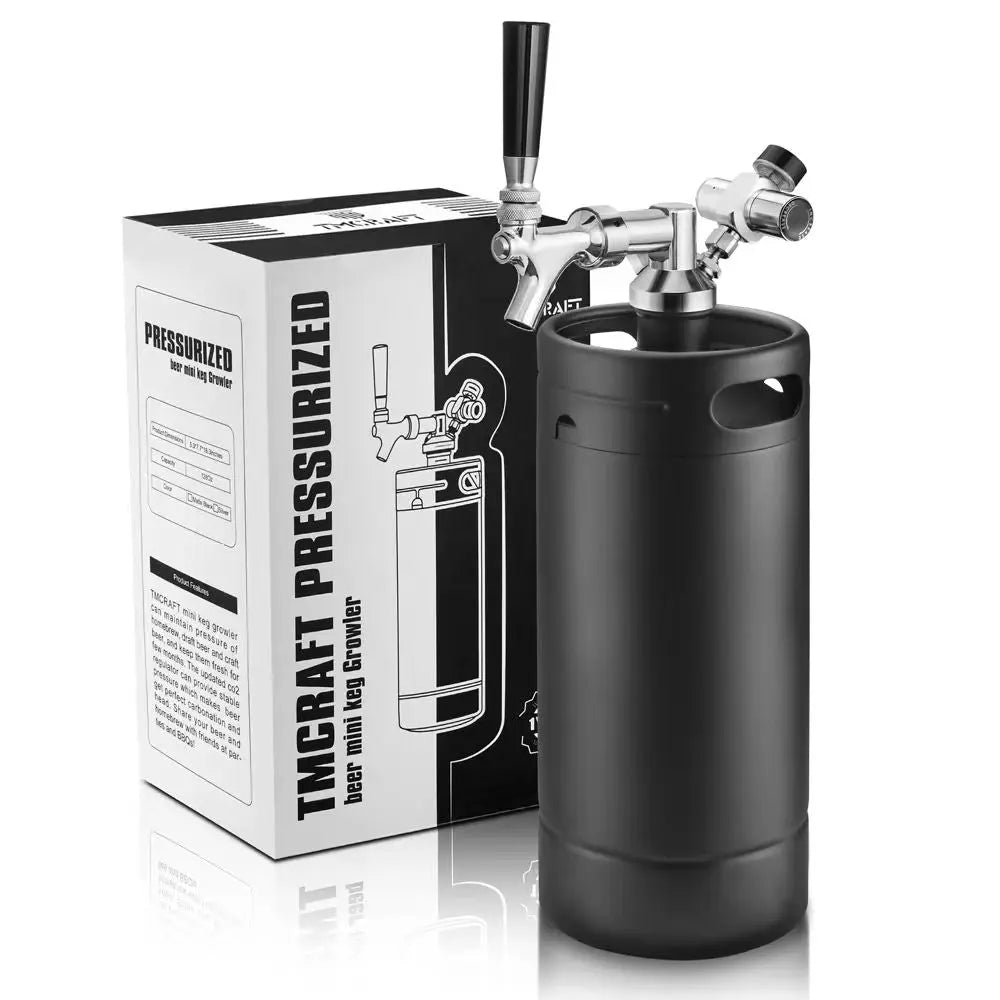
A typical mini keg includes:
- Stainless-steel keg body
- Secure lid
- Pressure-resistant structure
- Dispensing system
- Optional CO₂-compatible accessories
The main purpose of a mini keg is to create a controlled environment where beverages can remain fresh while being easy to serve.
The Basic Working Principle of a Mini Keg
The operation of a mini keg is based on three simple ideas:
- Store the beverage in a sealed container
- Maintain proper pressure
- Dispense through a controlled outlet
Once a beverage is placed inside the keg, the lid creates a closed environment. Depending on the design, pressure can be added to help maintain carbonation or push the beverage toward the faucet.
When the tap is opened, the pressure inside the keg moves the beverage through the dispensing line, creating a smooth draft-style pour.
This simple process is what makes mini kegs different from traditional storage containers.
Why Freshness Matters in Beverage Storage
A great beverage can lose quality if it is not stored properly.
Several factors can affect flavor:
- Oxygen exposure
- Temperature changes
- Loss of carbonation
- Light exposure
- Improper sealing
Mini kegs help address these challenges by providing a sealed storage environment.
For example:
Craft Beer
Beer depends heavily on carbonation and freshness. A mini keg helps maintain the characteristics created during brewing.
Cold Brew Coffee
Coffee flavors can change after prolonged exposure to air. A sealed keg helps reduce oxidation.
Sparkling Drinks
Carbonated beverages can lose their bubbles quickly in open containers. A mini keg provides better carbonation retention.
Why Stainless Steel Is Commonly Used for Mini Kegs
Material quality plays an important role in beverage storage.
Many high-quality mini kegs use food-grade stainless steel because it provides several advantages.
Long-Term Durability
Stainless steel is strong, reusable, and designed to handle repeated filling and cleaning.
Unlike disposable containers, a stainless-steel mini keg can become a long-term part of your beverage setup.
Protecting Beverage Flavor
Some materials may absorb odors or affect taste over time.
Stainless steel helps maintain the original flavor profile of beverages, making it suitable for switching between different drinks.
Easy Cleaning
A smooth interior surface makes cleaning easier.
This is especially important because leftover residue can affect future beverages.
Proper cleaning helps maintain both flavor and equipment performance.
Understanding Pressure in Mini Keg Systems
Pressure is an important part of many mini keg setups.
For carbonated beverages, pressure helps keep gas dissolved in the liquid.
For dispensing, pressure helps move the beverage from the keg to the faucet.
The right pressure balance can affect:
- Carbonation level
- Pour speed
- Foam amount
- Drinking experience
Too much pressure may create excessive foam, while too little pressure may result in a flat beverage.
Learning how pressure works is an important step for anyone using a keg system.
Different Ways to Use a Mini Keg
One of the biggest advantages of mini kegs is versatility.
They are not limited to one type of beverage.
Mini Kegs for Craft Beer
Homebrewers often choose mini kegs because they simplify the serving process.
Compared with bottling, kegging can provide:
- Easier storage
- Faster serving
- Less packaging
- Better carbonation control
A mini keg allows homebrewers to enjoy their creations directly from a tap.
Mini Kegs for Cold Brew Coffee
Cold brew coffee has become one of the fastest-growing applications for small keg systems.
A mini keg allows coffee lovers to:
- Prepare larger batches
- Store coffee conveniently
- Serve fresh coffee anytime
It is especially useful for people who enjoy café-style cold brew at home.
Mini Kegs for Sparkling Water
More people are creating homemade sparkling drinks.
A mini keg can help store:
- Flavored sparkling water
- Homemade soda
- Creative beverage recipes
Users can experiment with different flavors while maintaining freshness.
Mini Kegs for Kombucha
Kombucha naturally produces carbonation, making pressure control important.
A mini keg can provide a convenient storage and serving solution for fermentation enthusiasts.
Mini Keg Sizes: How to Choose the Right Capacity
Choosing the correct size depends on your beverage habits.
Small Mini Kegs
Best for:
- Beginners
- Personal use
- Small experiments
- Limited storage space
They are a great starting point for people exploring keg systems.
Medium Mini Kegs
Suitable for:
- Families
- Regular home use
- Weekend gatherings
They offer a balance between portability and capacity.
Large Mini Kegs
Ideal for:
- Frequent beverage makers
- Homebrewers
- Parties and events
They reduce the need for frequent refilling.
Mini Keg Dispensing Options Explained
Different users have different serving preferences.
Simple Faucet Systems
These are suitable for casual use.
Advantages:
- Easy operation
- Simple setup
- Convenient serving
Pressure-Based Systems
These systems use gas pressure for better control.
Benefits include:
- Improved carbonation management
- More consistent pouring
- Professional-style serving
For users who care about beverage quality, pressure-based systems provide more flexibility.
Mini Keg vs. Traditional Beverage Containers
Understanding the differences can help explain why mini kegs are becoming popular.
Bottles
Advantages:
- Easy to store
- Convenient individual servings
Limitations:
- More packaging
- Carbonation loss after opening
Growlers
Advantages:
- Reusable
- Popular among craft beer fans
Limitations:
- Shorter freshness period
- Less convenient dispensing
Pitchers
Advantages:
- Simple
- Affordable
Limitations:
- More oxygen exposure
- Less suitable for carbonated drinks
Mini Kegs
Advantages:
- Sealed storage
- Draft-style serving
- Reusable design
- Better beverage control
Cleaning and Maintaining Your Mini Keg
A mini keg works best when properly maintained.
Clean After Every Use
Remove leftover beverages and rinse the keg thoroughly.
Sanitize Before Refilling
Sanitation helps prevent unwanted flavors and keeps beverages fresh.
Inspect Accessories
Regularly check:
- Seals
- Faucets
- Connectors
- Pressure components
Maintaining small parts helps prevent leaks and performance problems.
Why Mini Kegs Are Becoming Popular
The growth of mini kegs reflects changing beverage habits.
Modern consumers want:
- Fresh homemade beverages
- More control over ingredients
- Less waste
- Convenient serving
- Better experiences
Mini kegs support this lifestyle by combining practical storage with professional-style serving.
They allow people to explore beverage creativity without needing a complicated commercial setup.
Final Thoughts: Small Size, Big Possibilities
A mini keg may be compact, but it provides many advantages for modern beverage enthusiasts.
By understanding how mini kegs work, users can make better choices about capacity, pressure systems, and applications.
Whether your goal is serving homemade beer, creating cold brew coffee, preparing sparkling drinks, or simply enjoying fresher beverages at home, a mini keg provides a convenient way to bring the draft experience into everyday life.
With the right setup and proper care, a mini keg can become an essential tool for anyone who values freshness, creativity, and great-tasting beverages.
Link to: Mini Keg vs. Traditional Beverage Containers: Why More Home Drink Makers Are Making the Switch