

How Long Does Cold Brew Last in a Coffee Keg? Storage, Freshness and Safety Guide
Primary Keywords:
coffee keg, how long does cold brew last, coffee keg system, stainless steel coffee keg
Secondary Keywords:
cold brew storage, nitro coffee keg, cold brew freshness, reusable coffee keg, TMCRAFT coffee keg
Cold brew coffee has become a core beverage in cafés, offices, and home setups because of its smooth flavor and low acidity. As more people shift to batch brewing, one question comes up often:
How long does cold brew last in a coffee keg?
The answer depends on storage conditions, sanitation, oxygen exposure, and equipment quality. A properly maintained coffee keg system can significantly extend freshness compared to pitchers or open containers.
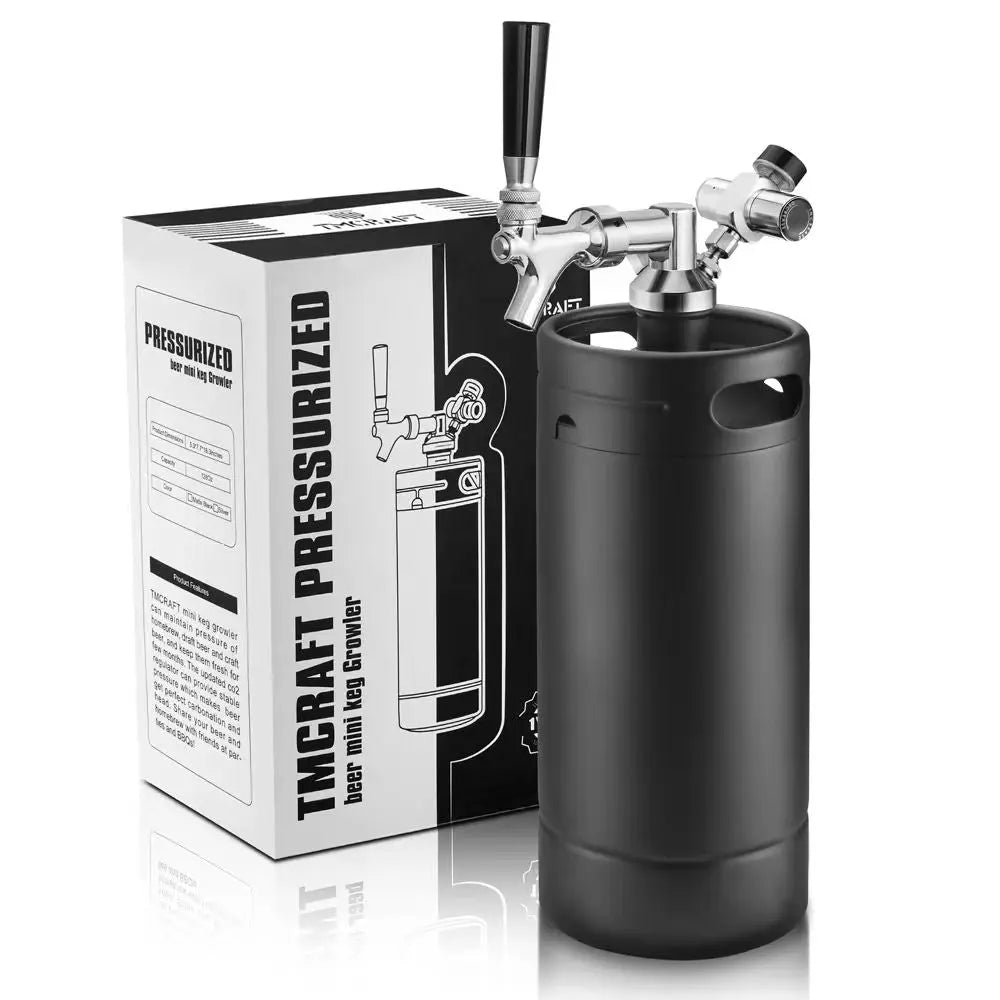
In this guide, you’ll learn exactly how long cold brew lasts in a keg, what affects its shelf life, and how to maximize flavor using a TMCRAFT coffee keg.
Why Use a Coffee Keg for Cold Brew Storage?
Compared to bottles or open containers, a sealed coffee keg offers several advantages:
- Reduced oxygen exposure
- Better flavor stability
- Faster service through tap systems
- Consistent portion control
- Improved hygiene in storage
- Professional beverage presentation
This is why many cafés and offices are switching to keg-based cold brew systems instead of batch bottles or pitchers.
So How Long Does Cold Brew Last in a Coffee Keg?
There is no single fixed number, but general guidelines are:
Best Flavor Window
- 5 to 10 days for peak freshness
Acceptable Quality Range
- Up to 2 weeks depending on storage conditions
Extended Storage (Less Ideal)
- Up to 3 weeks with excellent sanitation and refrigeration
After this period, flavor may begin to degrade even if the beverage is still safe to drink.
What Affects Cold Brew Shelf Life in a Coffee Keg?
1. Oxygen Exposure
Oxygen is the biggest factor in coffee degradation.
When oxygen enters the system, it can cause:
- Flat or stale taste
- Loss of aroma
- Bitter or papery notes
A sealed stainless steel coffee keg helps reduce this risk significantly.
2. Temperature Control
Cold brew must stay cold.
Ideal storage temperature:
- 34°F to 40°F (1°C to 4°C)
Warm storage accelerates oxidation and flavor breakdown.
3. Sanitation Quality
Even small contamination can shorten shelf life.
If equipment is not properly cleaned, you may notice:
- Sour notes
- Off odors
- Rapid flavor decline
This is why cleaning is critical before every fill.
4. Coffee Strength and Recipe
Stronger concentrates often last longer when diluted later.
Variables that affect stability:
- Grind size
- Brew time
- Coffee-to-water ratio
- Filtration quality
Finer filtration helps reduce sediment and improves stability.
5. Storage System Quality
Not all containers preserve coffee equally.
A proper coffee keg system provides:
- Airtight sealing
- Minimal oxygen contact
- Pressure stability (if used with gas system)
- Food-grade stainless steel protection
Lower-quality containers may allow faster degradation.
Signs Cold Brew Has Gone Bad
You should stop serving cold brew if you notice:
- Sour or fermented smell
- Flat or dull flavor
- Cloudy or unusual appearance
- Strong bitterness that wasn’t present initially
- Gas buildup (if improperly stored)
When in doubt, discard and refresh the batch.
How to Extend Cold Brew Freshness in a Coffee Keg
1. Use Proper Sanitation Before Filling
Always:
- Clean keg interior
- Sanitize lid and fittings
- Sanitize tap system
Clean equipment is essential for longer shelf life.
2. Minimize Oxygen During Filling
Best practices:
- Fill slowly
- Avoid splashing
- Seal immediately after filling
- Purge with inert gas if available
Less oxygen equals longer freshness.
3. Keep Constant Refrigeration
Do not allow temperature swings.
Stable cold storage is one of the easiest ways to preserve flavor.
4. Use High-Quality Filtration
Better filtration reduces:
- Sediment
- Bitterness
- Flavor instability
This improves both shelf life and taste clarity.
5. Serve Efficiently
Avoid repeatedly opening the system unnecessarily.
A tap-based coffee keg system helps reduce exposure during service.
Coffee Keg vs Bottled Cold Brew Storage
| Feature | Coffee Keg | Bottled Cold Brew |
|---|---|---|
| Oxygen Exposure | Lower | Higher |
| Freshness Duration | Longer | Shorter |
| Service Speed | Fast | Moderate |
| Consistency | High | Variable |
| Waste | Low | Higher |
| Scalability | Excellent | Limited |
For cafés and offices, keg systems often provide stronger operational efficiency.
Why Stainless Steel Matters for Coffee Storage
A stainless steel coffee keg offers key advantages:
Non-Reactive Surface
Does not affect flavor.
Light Protection
Blocks UV exposure that can degrade coffee.
Durability
Withstands repeated cleaning cycles.
Hygienic Design
Easy to sanitize and maintain.
Coffee Keg Safety Tips
To ensure safe consumption:
- Always refrigerate cold brew
- Do not store beyond recommended time window
- Clean after every batch
- Inspect seals regularly
- Use food-safe cleaning products only
Good hygiene ensures both safety and flavor quality.
Why Choose TMCRAFT Coffee Kegs?
TMCRAFT coffee kegs are designed for practical beverage service.
Benefits include:
- Food-grade stainless steel construction
- Strong sealing performance
- Easy-clean interior design
- Compatible with non-threaded N2 / N2O systems
- Ideal for cold brew and nitro coffee
- Suitable for commercial and home use
They are built for consistent performance in real-world environments.
Best Uses for Coffee Kegs
A coffee keg system can serve:
- Cold brew coffee
- Nitro coffee
- Coffee cocktails
- Iced coffee concentrate
- Tea-based drinks
This flexibility makes it valuable for both businesses and home users.
Final Verdict
So, how long does cold brew last in a coffee keg?
Typically, cold brew stays at peak quality for about 5–10 days, with up to 2 weeks of good drinkability when properly stored. The exact duration depends heavily on sanitation, temperature control, oxygen exposure, and system quality.
A well-designed TMCRAFT coffee keg helps extend freshness, improve consistency, and deliver café-quality cold brew with minimal waste.
Link to: Cold Brew Coffee Keg vs Bottled Coffee: Which Is Better for Cafés and Offices?