

Cold Brew Without Compromise: How Coffee Kegs Keep Every Pour Smooth, Fresh, and Flavorful
The New Era of Coffee Serving
Coffee has always been a beverage built around freshness. From selecting quality beans to controlling grind size and brewing time, every step influences the final flavor. In recent years, cold brew coffee and nitro coffee have become increasingly popular because they offer a smoother, richer, and more refreshing alternative to traditional hot coffee.
However, making great cold brew is only part of the process. The next challenge is keeping that carefully prepared coffee fresh and consistent after brewing.
This is where coffee kegs provide an innovative solution.
A coffee keg allows coffee lovers, cafés, and beverage enthusiasts to store and serve cold brew in a sealed system that helps protect flavor and improve convenience. By combining proper storage with draft-style serving, coffee kegs bring a professional café experience into homes, offices, and commercial spaces.
What Is a Coffee Keg?
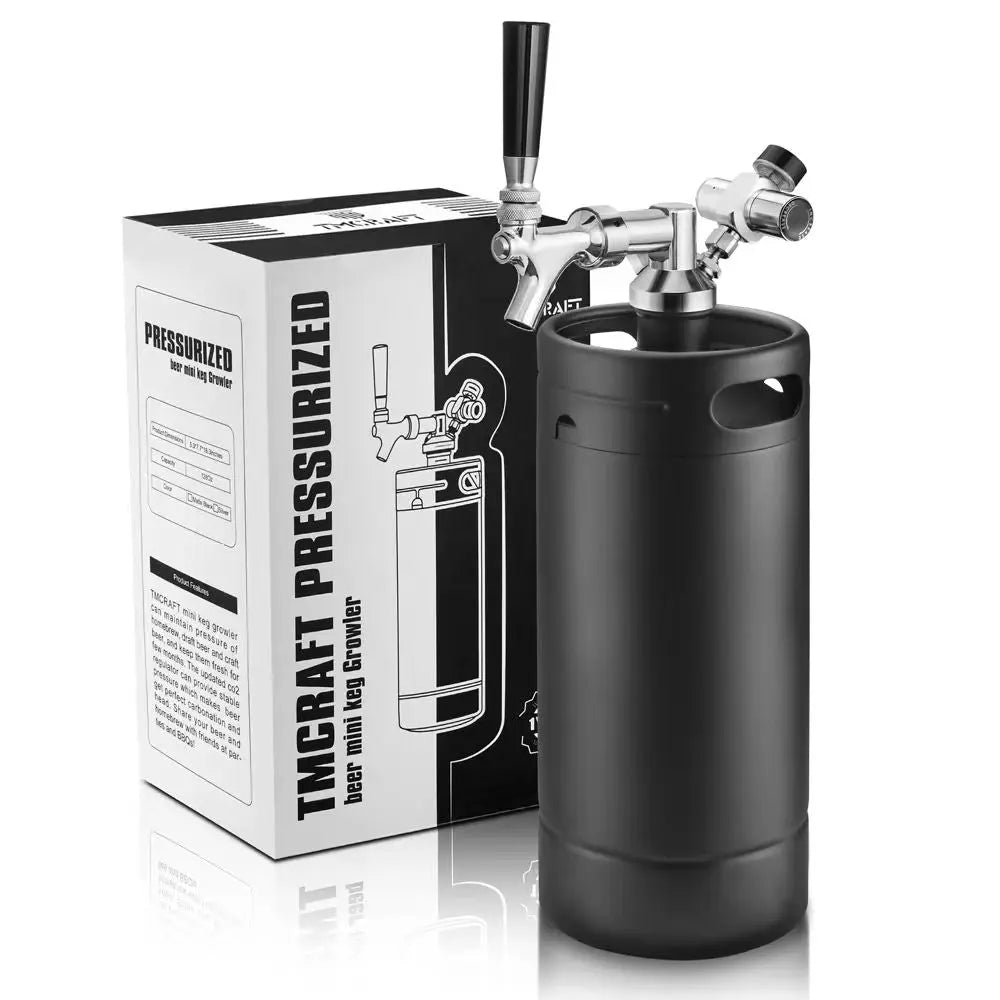
A coffee keg is a stainless-steel beverage container designed specifically for storing and dispensing coffee, especially cold brew and nitro coffee.
Similar to beer kegs, coffee kegs use a sealed environment and pressure system to keep beverages fresh and ready to serve. Instead of pouring coffee from bottles or pitchers, users can dispense coffee directly through a faucet.
A complete coffee keg system usually includes:
- Food-grade stainless-steel keg
- Secure lid and sealing system
- Gas connection
- Beverage outlet
- Dispensing faucet
- Optional nitrogen or CO₂ equipment
The main purpose of a coffee keg is not only convenience. It also helps maintain the quality, freshness, and consistency of coffee from the first serving to the last.
Why Coffee Freshness Matters
Many coffee lovers focus on the brewing process but overlook what happens afterward.
Once coffee is brewed, it continues to change. Oxygen exposure, temperature fluctuations, and improper storage can gradually affect the flavor profile.
Common freshness issues include:
- Loss of aroma
- Reduced flavor complexity
- Changes in sweetness
- Stale aftertaste
Cold brew is especially worth protecting because many people prepare larger batches that need to last several days.
A coffee keg creates a more controlled storage environment by reducing unnecessary exposure to air and protecting the beverage from external factors.
How Coffee Kegs Help Preserve Flavor
The biggest advantage of a coffee keg is its ability to maintain beverage quality after brewing.
Reduced Oxygen Exposure
Oxygen is one of the main factors that affects coffee freshness. A sealed keg limits contact between the coffee and outside air, helping preserve the original flavor characteristics.
This is especially important for specialty coffee beans, where subtle notes such as chocolate, fruit, caramel, or floral aromas are part of the experience.
Consistent Taste From Every Pour
When cold brew is stored in multiple bottles or containers, each container may experience slightly different conditions.
A coffee keg stores the entire batch together, allowing each serving to come from the same prepared recipe.
This creates:
- More consistent flavor
- More predictable quality
- Better control over serving
Better Storage Efficiency
For people who regularly prepare cold brew, storing coffee in individual containers can take up refrigerator space and require extra preparation.
A coffee keg simplifies the process by combining storage and serving into one system.
Understanding Cold Brew and Nitro Coffee
Coffee kegs are commonly used for two popular beverage styles: cold brew and nitro coffee.
Cold Brew Coffee
Cold brew is made by steeping coffee grounds in cold water for an extended period.
Compared with traditional hot brewing, cold brew often provides:
- Smooth texture
- Lower perceived acidity
- Rich coffee flavor
- Refreshing taste
A coffee keg allows cold brew to stay chilled and ready for serving whenever needed.
Nitro Coffee
Nitro coffee takes cold brew to the next level by adding nitrogen gas.
The nitrogen infusion creates:
- Creamy mouthfeel
- Smooth texture
- Fine bubbles
- Attractive cascading appearance
Many people compare nitro coffee’s texture to a draft beverage because of its silky and luxurious finish.
A proper coffee keg system helps create this café-style experience at home or in a commercial setting.
Why Stainless Steel Is the Best Choice for Coffee Kegs
The material of a coffee keg plays an important role in maintaining beverage quality.
Food-grade stainless steel is widely preferred because it provides several benefits.
Long-Term Durability
Stainless steel is designed for repeated use. With proper maintenance, a quality coffee keg can serve for many years.
Flavor Protection
Coffee contains natural oils that can affect future batches if they remain inside a container.
Stainless steel helps reduce flavor transfer, allowing each batch to maintain its intended taste.
Easy Cleaning
A smooth stainless-steel interior makes cleaning and sanitation easier, which is essential for coffee equipment.
Clean equipment helps prevent unwanted flavors and keeps every pour tasting fresh.
Choosing the Right Coffee Keg Size
The ideal coffee keg size depends on how and where you plan to use it.
Small Coffee Kegs
Small-capacity kegs are ideal for:
- Home coffee enthusiasts
- Testing different recipes
- Personal cold brew preparation
- Small gatherings
They allow users to experiment with different beans and brewing methods without committing to large batches.
Medium Coffee Kegs
Medium sizes work well for:
- Families
- Offices
- Weekend entertaining
- Regular coffee drinkers
They provide a balance between storage capacity and convenience.
Large Coffee Kegs
Larger coffee kegs are suitable for:
- Cafés
- Restaurants
- Events
- High-volume beverage service
They allow businesses to prepare larger quantities while maintaining consistent serving quality.
Brewing the Perfect Cold Brew for a Coffee Keg
A great coffee keg experience starts with proper brewing preparation.
Choose Quality Coffee Beans
Freshly roasted beans provide better aroma and flavor.
Different roast levels create different experiences:
- Light roast: brighter and more fruity notes
- Medium roast: balanced sweetness and complexity
- Dark roast: stronger chocolate and roasted flavors
Use the Right Grind Size
Cold brew typically works best with a coarse grind.
A coarse grind helps:
- Create smoother extraction
- Reduce bitterness
- Improve filtration
Control Brewing Time
Cold brew requires patience.
Many recipes use an extraction period of approximately 12–24 hours. The ideal time depends on the coffee beans, water ratio, and personal preference.
Filter Before Kegging
Before transferring coffee into a keg, filtration is essential.
Proper filtration helps:
- Improve clarity
- Prevent sediment buildup
- Protect dispensing equipment
A cleaner brew creates a better serving experience.
Coffee Keg vs. Traditional Coffee Storage
Traditional coffee storage methods can work for short-term use, but coffee kegs offer additional advantages.
Traditional Containers
Examples include:
- Glass bottles
- Plastic containers
- Pitchers
Advantages:
- Simple to use
- Low initial cost
- Convenient for small amounts
Limitations:
- More oxygen exposure
- Less convenient serving
- Inconsistent storage conditions
Coffee Keg Systems
Advantages:
- Sealed storage
- Draft-style serving
- Better batch consistency
- Professional presentation
For coffee enthusiasts who regularly prepare cold brew, a keg system provides a more advanced solution.
Using Coffee Kegs at Home
A coffee keg is not only for cafés. Home users can also enjoy the benefits.
Popular home applications include:
Weekend Brunch
Serve fresh cold brew directly from a tap for family and guests.
Coffee Experimentation
Try different:
- Coffee beans
- Brewing ratios
- Flavor combinations
Everyday Convenience
Prepare coffee once and enjoy fresh servings throughout the week.
A coffee keg can make daily coffee routines easier while creating a more enjoyable experience.
Coffee Kegs for Cafés and Small Businesses
For coffee shops and beverage businesses, keg systems provide several advantages.
Faster Service
Ready-to-serve coffee reduces preparation time during busy periods.
Consistent Quality
Each customer receives coffee from the same carefully prepared batch.
Unique Beverage Options
Coffee kegs allow businesses to offer:
- Nitro cold brew
- Seasonal coffee drinks
- Specialty beverages
A draft coffee menu can create a memorable experience for customers.
Maintaining Your Coffee Keg System
Proper cleaning is essential because coffee oils can accumulate over time.
Clean the Keg After Each Batch
Remove leftover coffee and rinse the keg thoroughly.
Clean Beverage Lines and Faucets
Coffee residue can affect flavor and cause blockages.
Inspect Seals and Connections
Check:
- O-rings
- Fittings
- Pressure components
Replacing worn parts helps maintain reliable performance.
Sanitize Before Refilling
A clean system ensures every batch maintains its intended flavor.
Beyond Cold Brew: Creative Coffee Keg Possibilities
Coffee kegs can be used for more than traditional cold brew.
Creative beverage ideas include:
- Nitro tea
- Coffee cocktails
- Flavored cold brew
- Seasonal specialty drinks
- Coffee-based mocktails
As coffee culture continues to evolve, keg systems provide more opportunities for experimentation.
Final Thoughts: Bringing Café-Quality Coffee Anywhere
Coffee kegs represent a new way to experience specialty coffee.
By combining freshness protection, convenient storage, and draft-style serving, coffee kegs allow coffee lovers to enjoy smoother, more consistent beverages wherever they are.
Whether you are a home coffee enthusiast exploring cold brew recipes, a café creating specialty drinks, or a business looking for a better serving solution, a coffee keg provides a practical way to preserve flavor and improve the coffee experience.
From the first pour to the last, the right coffee keg helps ensure that every cup remains smooth, fresh, and full of character.
Link to: Why Coffee Lovers Are Turning to Kegs: The Science Behind Fresher Cold Brew and Nitro Coffee