

Cold Brew Made Better: How Coffee Kegs Help Preserve Flavor, Freshness, and Café-Style Quality
Coffee culture continues to evolve. While traditional hot coffee remains a daily essential for millions of people, cold brew and nitro coffee have created a new way to experience flavor, texture, and presentation.
Many coffee lovers appreciate cold brew for its smooth taste, lower acidity, and refreshing character. However, maintaining the same quality from the first cup to the last can be challenging when coffee is stored in ordinary containers.
This is where coffee kegs provide an exciting solution.
A coffee keg allows cold brew and specialty coffee beverages to be stored, protected, and served directly from a draft system. By reducing oxygen exposure and improving serving consistency, coffee kegs help bring café-quality coffee experiences into homes, offices, and commercial spaces.
What Is a Coffee Keg?
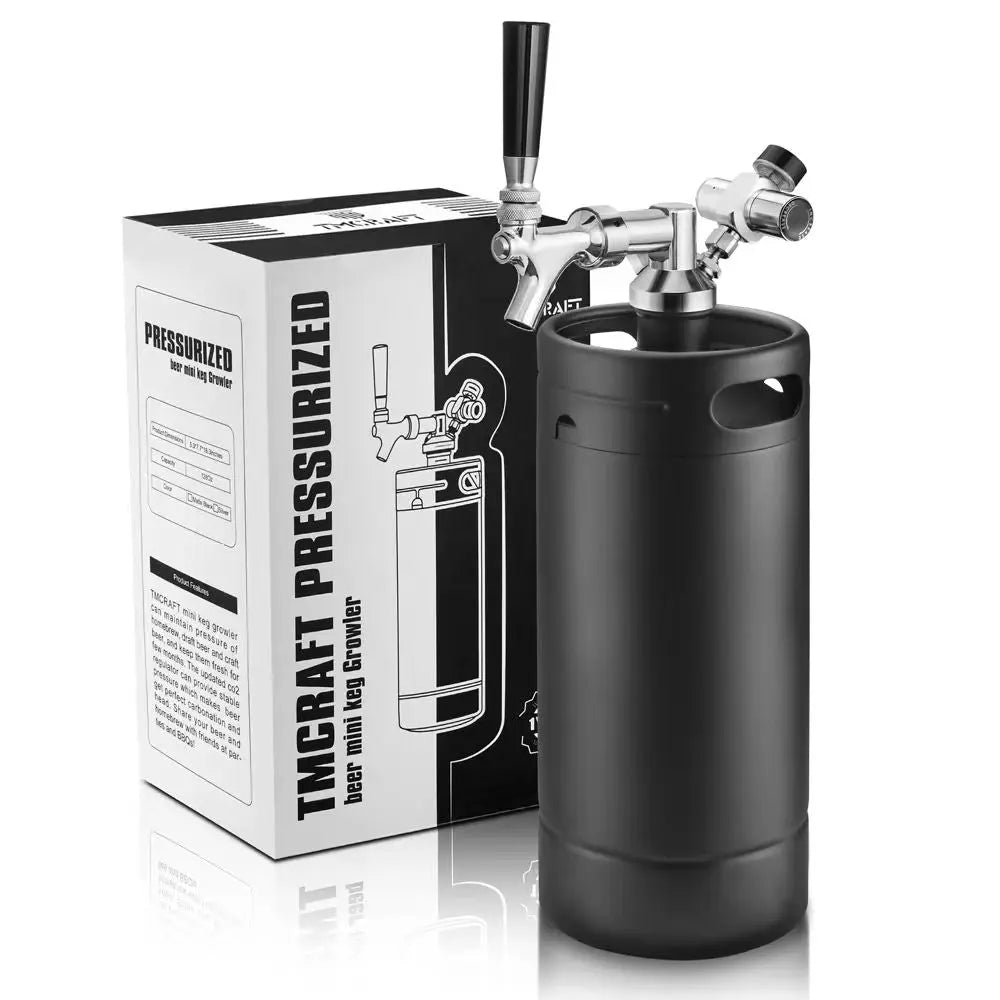
A coffee keg is a stainless-steel beverage container designed specifically for storing and dispensing brewed coffee, especially cold brew and nitro coffee.
Similar to beer kegs, coffee kegs use a sealed environment and pressure system to maintain freshness and provide easy serving. Instead of preparing individual cups or storing coffee in multiple bottles, users can prepare a larger batch and serve it whenever needed.
A typical coffee keg system includes:
- Stainless-steel keg body
- Sealed lid system
- Gas connection
- Beverage outlet
- Dispensing faucet
- Optional nitrogen or CO₂ equipment
This simple but effective design makes coffee storage more efficient while improving the overall drinking experience.
Why Use a Keg for Cold Brew Coffee?
Cold brew coffee is known for its smooth flavor, but freshness remains one of the biggest challenges.
Once coffee is brewed, oxygen begins to affect its aroma and taste. Over time, stored coffee may lose its brightness and develop stale flavors.
A coffee keg helps solve this problem by providing:
Reduced Oxygen Exposure
The sealed keg environment limits contact with air, helping preserve the natural flavors of coffee beans.
Consistent Flavor
Instead of preparing a new cup every time, users can enjoy a consistent recipe from the first serving to the last.
Longer Freshness
Proper storage conditions help maintain coffee quality better than many traditional containers.
For coffee enthusiasts who prepare large batches of cold brew, a keg system provides a practical way to protect their investment in quality beans and careful brewing.
Understanding Nitro Coffee and Coffee Keg Systems
Nitro coffee has become one of the most popular applications for coffee kegs.
Unlike regular cold brew, nitro coffee is infused with nitrogen gas. Nitrogen creates a smooth texture, creamy mouthfeel, and attractive cascading effect when poured.
A typical nitro coffee setup includes:
- A coffee keg
- Nitrogen gas source
- Pressure regulator
- Nitrogen-compatible faucet
The tiny nitrogen bubbles create a texture similar to a draft stout beer, giving coffee a rich and luxurious drinking experience without adding dairy or sweeteners.
Choosing the Right Coffee Keg Material
The material of a coffee keg plays an important role in durability and beverage quality.
Stainless Steel Construction
Food-grade stainless steel is widely preferred because it offers:
- Excellent durability
- Resistance to corrosion
- Easy cleaning
- Minimal flavor transfer
- Long-term reuse
Coffee contains natural oils that can build up over time, so a smooth stainless-steel interior makes cleaning easier and helps prevent unwanted flavors between batches.
Finding the Right Coffee Keg Size
Coffee keg capacity should match your brewing habits and serving needs.
Smaller Coffee Kegs
Smaller sizes are ideal for:
- Home coffee enthusiasts
- Testing new recipes
- Personal cold brew batches
- Limited refrigerator space
They allow users to experiment with different coffee beans, roast levels, and brewing methods without committing to a large quantity.
Larger Coffee Kegs
Larger capacities are better for:
- Offices
- Cafés
- Events
- Frequent cold brew drinkers
A larger keg reduces the need for frequent preparation while keeping coffee ready for service.
Choosing the right size depends on how quickly you consume coffee and how much storage space is available.
Brewing the Perfect Cold Brew for Your Keg
A great coffee keg experience starts with great coffee preparation.
Start With Quality Beans
Freshly roasted beans provide better aroma and flavor. Medium and dark roasts are commonly used for cold brew because they create rich chocolate, nutty, and caramel notes.
Use the Correct Grind Size
A coarse grind is recommended for cold brew because it allows slow extraction while reducing bitterness.
Allow Enough Brewing Time
Cold brew typically requires a longer extraction period than hot coffee. Many recipes use a steeping time between 12 and 24 hours depending on desired strength.
Filter Carefully
Before transferring coffee into the keg, filter thoroughly. Fine coffee particles can affect taste and may clog dispensing equipment.
A clean, well-filtered brew creates a smoother serving experience.
Coffee Keg vs. Traditional Coffee Storage
Many people store cold brew in glass bottles, pitchers, or plastic containers. While these methods work for short-term use, coffee kegs provide several advantages.
Traditional Containers:
- Require individual filling
- Offer limited serving convenience
- May expose coffee to more oxygen
- Do not provide draft-style presentation
Coffee Kegs:
- Store larger batches efficiently
- Provide easy dispensing
- Maintain a sealed environment
- Create a professional serving experience
For anyone who regularly prepares cold brew, the difference can be significant.
Maintaining Your Coffee Keg System
Coffee oils and residue can affect flavor if equipment is not cleaned properly.
Regular maintenance should include:
Cleaning the Keg
After each batch:
- Empty remaining coffee
- Rinse thoroughly
- Clean with suitable beverage equipment cleaner
- Sanitize before refilling
Cleaning the Lines and Faucet
The dispensing system is just as important as the keg itself. Coffee residue can accumulate inside tubes and faucets, affecting taste and performance.
Checking Seals
Inspect O-rings and connections regularly to prevent leaks and maintain proper pressure.
A clean system ensures every cup tastes fresh.
Coffee Kegs for Home and Commercial Use
Coffee kegs are no longer limited to specialty cafés. More people are discovering their benefits at home.
For home users, a coffee keg can make weekend brunches, family gatherings, and daily coffee routines more convenient.
For cafés and small businesses, kegged coffee offers:
- Faster service
- Consistent quality
- Reduced preparation time
- Attractive presentation
A customer receiving a fresh nitro cold brew directly from a tap creates an experience that traditional coffee preparation cannot easily replicate.
Expanding Beyond Cold Brew
Although cold brew is the most common use, coffee kegs can support many creative beverages:
- Nitro tea
- Coffee cocktails
- Flavored cold brew
- Milk-based coffee drinks (with proper refrigeration and handling)
- Specialty seasonal beverages
As beverage creativity continues to grow, coffee kegs provide a flexible platform for experimentation.
Final Thoughts: Bringing the Café Experience Home
A coffee keg does more than store coffee—it changes the way coffee can be prepared, served, and enjoyed.
By protecting freshness, improving consistency, and enabling café-style dispensing, coffee kegs provide a modern solution for cold brew and specialty coffee lovers.
Whether you are a home enthusiast experimenting with new flavors or a business looking to create a memorable beverage experience, a well-designed coffee keg system can help transform every pour into a smoother, fresher, and more enjoyable cup.
Link to: Cold Brew on Tap: Mastering Freshness and Texture with a Coffee Keg