

Coffee Keg vs. Coffee Pitcher: Which Storage Method Keeps Cold Brew Fresher?
Why Cold Brew Storage Matters More Than You Think
Cold brew coffee has become one of the most popular specialty coffee beverages worldwide.
Its smooth taste, lower bitterness, and refreshing character make it a favorite choice for coffee lovers at home, in offices, and in cafés. However, creating great cold brew is only one part of the process.
After hours of brewing and careful preparation, the next challenge is keeping the coffee fresh.
Many people store cold brew in traditional containers such as glass pitchers, bottles, or plastic jugs. These options may work for short-term use, but they can create challenges when trying to maintain flavor quality over several days.
This is why more coffee enthusiasts are exploring the benefits of a coffee keg.
A coffee keg provides a sealed storage and serving solution designed to protect cold brew quality from brewing to the final pour. It helps reduce oxygen exposure, improves serving efficiency, and creates a café-style experience at home.
But how does a coffee keg compare with a traditional coffee pitcher?
Understanding the differences can help you choose the right cold brew storage method.
What Is a Coffee Keg?
A coffee keg is a reusable stainless-steel container designed for storing and dispensing brewed coffee.
Unlike a regular storage container, a coffee keg is part of a complete beverage dispensing system.
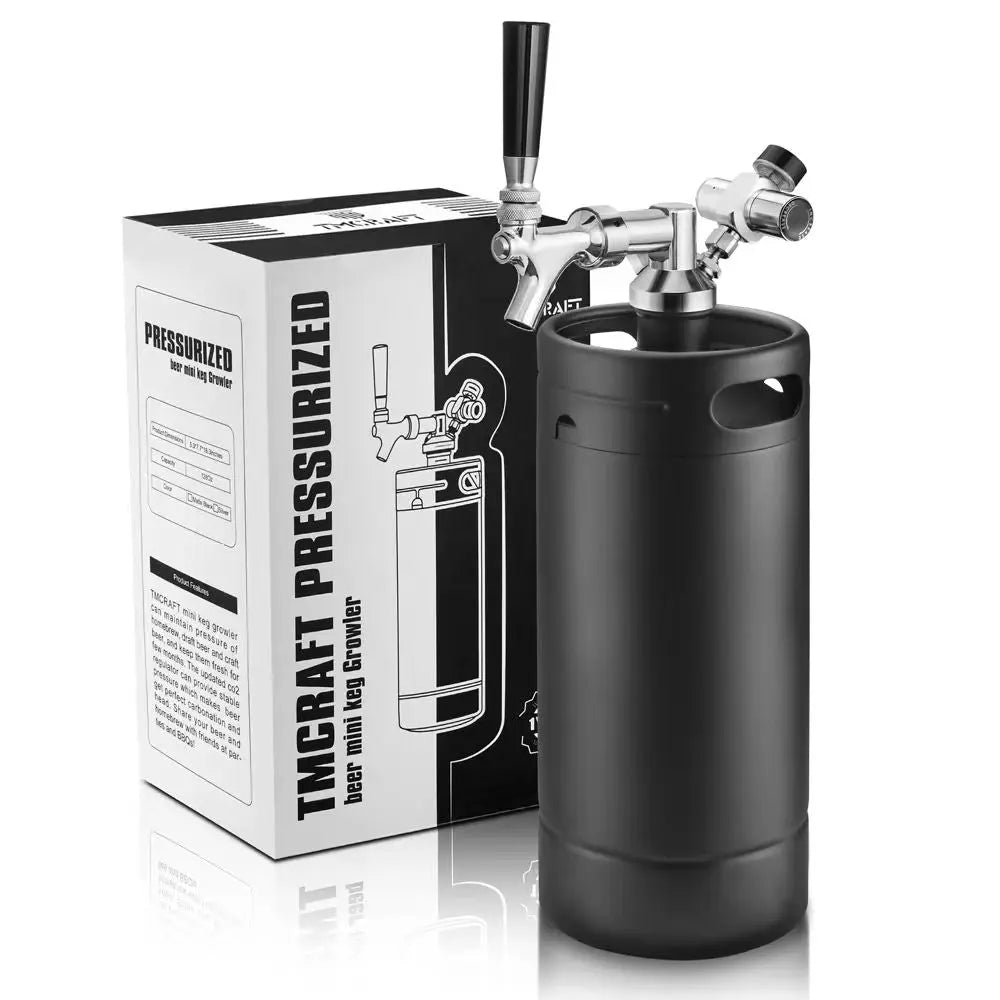
A typical coffee keg setup includes:
- Stainless steel keg body
- Sealed lid
- Beverage outlet
- Gas connection
- Dispensing faucet
- Optional CO₂ or nitrogen equipment
The main purpose of a coffee keg is to keep coffee in a controlled environment while allowing convenient serving.
Instead of opening a container every time you want a drink, coffee remains sealed until it is poured.
This helps maintain freshness and creates a smoother serving experience.
Understanding Traditional Cold Brew Storage: Coffee Pitchers
Coffee pitchers are one of the most common ways people store homemade cold brew.
They are popular because they are:
- Affordable
- Easy to use
- Available almost everywhere
For beginners making small amounts of coffee, a pitcher can be a practical option.
However, pitchers also have limitations when it comes to long-term freshness and frequent serving.
Common Challenges With Coffee Pitchers
Increased Oxygen Exposure
Every time a pitcher is opened, fresh air enters.
Oxygen can gradually affect coffee flavor by reducing aroma and changing the taste profile.
For coffee that is consumed quickly, this may not be a major issue.
However, for larger batches stored over several days, freshness can decline.
Less Convenient Serving
Using a pitcher requires:
- Opening the refrigerator
- Removing the container
- Pouring coffee
- Returning it to storage
For one or two servings, this is simple.
For offices, cafés, or gatherings, repeated handling becomes less efficient.
Limited Professional Presentation
A pitcher works well for personal use, but it does not create the same experience as a draft coffee system.
Many customers enjoy the visual and interactive experience of coffee served from a tap.
How a Coffee Keg Improves Cold Brew Storage
A coffee keg solves many of the challenges associated with traditional storage.
1. Better Protection Against Oxygen
One of the biggest advantages of a coffee keg is its sealed design.
Once coffee is transferred into the keg, it remains protected from repeated exposure to air.
This helps preserve:
- Coffee aroma
- Flavor balance
- Freshness
- Smooth texture
For specialty coffee, these details can make a noticeable difference.
2. More Consistent Flavor From Beginning to End
When cold brew is stored in several bottles or pitchers, each container may experience different conditions.
A coffee keg keeps the entire batch together.
This creates more consistency because every serving comes from the same stored beverage.
This is especially valuable for:
- Coffee shops
- Offices
- Events
- Regular cold brew drinkers
3. Faster and Easier Serving
A coffee keg transforms cold brew into a ready-to-serve beverage.
Instead of manually pouring from containers, users can dispense coffee directly through a faucet.
Benefits include:
- Faster preparation
- Cleaner serving
- Less handling
- Better customer experience
Coffee Keg vs. Coffee Pitcher: Key Differences
| Feature | Coffee Keg | Coffee Pitcher |
|---|---|---|
| Freshness protection | Excellent sealed storage | More air exposure |
| Serving method | Draft dispensing | Manual pouring |
| Batch size | Suitable for larger amounts | Better for smaller batches |
| Carbonation options | Supports nitrogen/CO₂ systems | Not designed for pressure |
| Reusability | Long-term equipment | Basic storage solution |
| Professional appearance | Café-style experience | Traditional storage |
Both methods have their place.
A pitcher may be enough for occasional home use, while a coffee keg is better for users who value freshness, convenience, and presentation.
Why Stainless Steel Is Important for Coffee Kegs
A high-quality coffee keg is usually made from food-grade stainless steel.
This material is preferred because it offers several advantages.
Durable Construction
Coffee kegs are designed for repeated use.
Stainless steel provides:
- Strength
- Corrosion resistance
- Long service life
This makes it suitable for both home and commercial applications.
Flavor Protection
Coffee contains natural oils and aromatic compounds.
A stainless steel keg provides a neutral storage environment that helps protect the original flavor of different coffee recipes.
Easy Cleaning
Coffee residue can affect future batches if equipment is not cleaned properly.
The smooth surface of stainless steel makes maintenance easier and supports better hygiene.
Coffee Kegs and Nitro Coffee: Creating a Café Experience
One reason coffee kegs are becoming increasingly popular is the growth of nitro coffee.
Nitro coffee starts with cold brew and uses nitrogen infusion to create a unique texture.
Nitrogen creates:
- Creamy mouthfeel
- Smooth finish
- Fine bubbles
- Premium appearance
A nitro coffee keg system allows users to serve this specialty beverage directly from a tap.
This is why many cafés use keg technology for their cold brew programs.
Who Should Consider Using a Coffee Keg?
A coffee keg is useful for different types of coffee lovers.
Home Coffee Enthusiasts
A coffee keg is ideal for people who:
- Make large batches of cold brew
- Drink coffee daily
- Enjoy experimenting with recipes
- Want café-style beverages at home
Instead of preparing coffee every morning, users can prepare ahead and enjoy fresh servings throughout the week.
Offices and Workspaces
Coffee kegs can improve workplace beverage solutions.
Benefits include:
- Easy self-service
- Less waste
- Consistent quality
- Convenient access
Employees can enjoy fresh cold brew without constant preparation.
Coffee Shops and Restaurants
For businesses, efficiency and consistency are extremely important.
A coffee keg system helps cafés:
- Prepare beverages in advance
- Reduce service time
- Maintain consistent recipes
- Expand beverage options
Other Beverages You Can Serve With a Coffee Keg
Although designed for coffee applications, keg systems can support many creative beverages.
Examples include:
Nitro Tea
Tea can also benefit from nitrogen infusion and draft serving.
Coffee Cocktails
Prepared coffee-based cocktails can be served efficiently at events.
Coffee Mocktails
Creative combinations using:
- Fruit flavors
- Herbs
- Syrups
can create unique menu options.
Choosing the Right Coffee Keg Size
The correct size depends on your usage.
Small Coffee Kegs
Suitable for:
- Home users
- Personal cold brew
- Recipe testing
Medium Coffee Kegs
Good for:
- Families
- Offices
- Frequent coffee drinkers
Large Coffee Kegs
Designed for:
- Cafés
- Restaurants
- Events
Choosing the correct size helps balance convenience and storage requirements.
How to Maintain a Coffee Keg System
Proper cleaning is essential for protecting coffee quality.
Coffee oils can build up over time and affect future beverages.
Clean After Every Batch
After use:
- Empty remaining coffee
- Rinse thoroughly
- Clean internal surfaces
Clean Beverage Lines
Pay attention to:
- Tubes
- Connectors
- Faucets
These areas directly affect the final taste.
Check Seals and Connections
Inspect:
- O-rings
- Gaskets
- Fittings
Replacing worn parts helps maintain proper performance.
Final Thoughts: Choosing the Right Cold Brew Storage Solution
A coffee pitcher remains a simple and affordable choice for occasional cold brew drinkers.
However, for those who prepare larger batches, care about freshness, or want a professional serving experience, a coffee keg offers significant advantages.
A coffee keg provides:
- Better cold brew storage
- Reduced oxygen exposure
- More consistent flavor
- Easier serving
- Café-style presentation
From home coffee enthusiasts to professional cafés, the right storage method can make a major difference in the final cup.
A great cold brew journey does not end after brewing—it continues through proper storage, careful serving, and every refreshing pour.
Link to: Cold Brew Storage Made Better: How Coffee Kegs Protect Flavor From Brewing to Serving