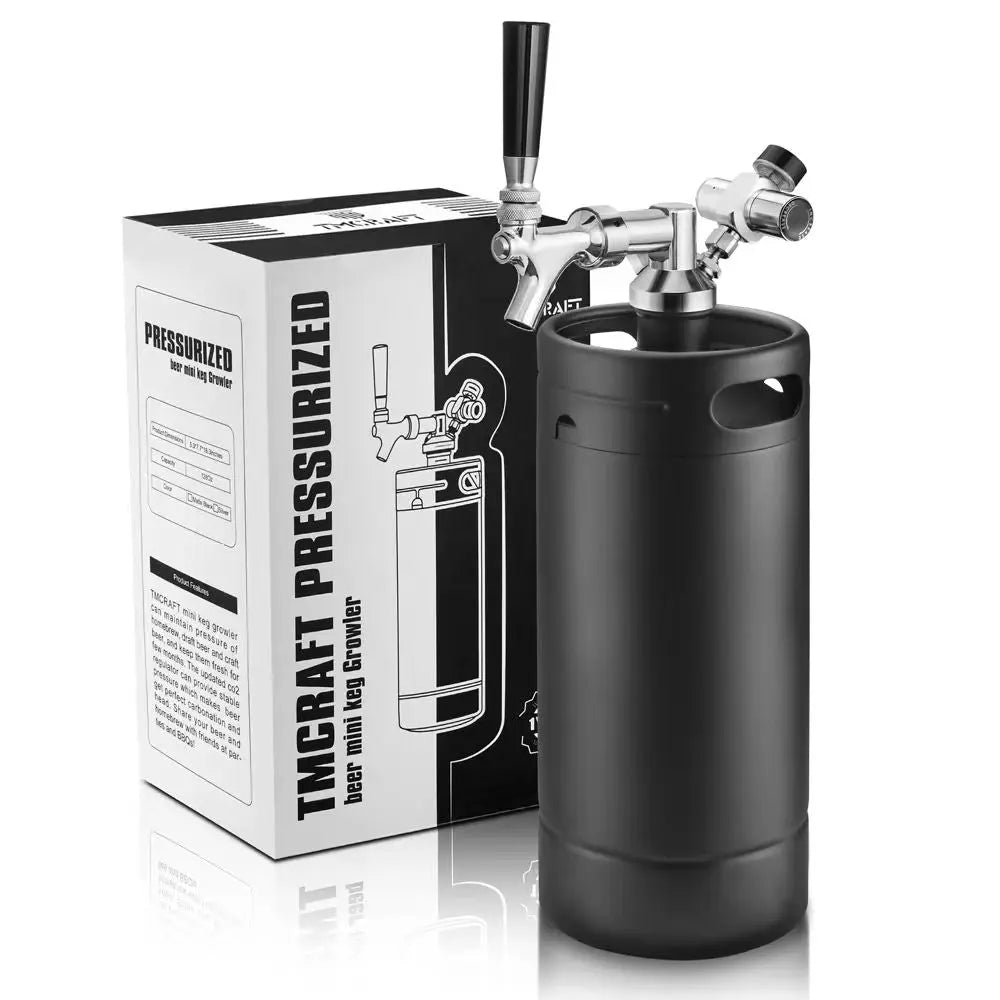


Coffee Keg Systems Explained: How to Brew Café-Quality Nitro Coffee at Home
Nitro cold brew has evolved from a café novelty into a must-have home beverage for coffee enthusiasts. Known for its creamy mouthfeel, cascading foam, and naturally sweet taste, nitro coffee delivers a premium experience—without sugar or milk.
The secret behind that experience is not the beans alone, but the coffee keg system. Just like beer on draft, nitro coffee relies on controlled pressure, proper gas, and sealed storage to achieve consistent quality.
In this guide, we explain what a coffee keg is, how it differs from traditional cold brew methods, and how to build a reliable nitro setup at home using TMCRAFT Coffee Kegs.
What Is a Coffee Keg?
A coffee keg is a pressurized stainless steel container designed to store, carbonate, and dispense cold brew coffee. Unlike standard pitchers or bottles, a coffee keg allows coffee to be:
- Sealed from oxygen
- Infused with nitrogen (N₂ or N₂O)
- Dispensed smoothly through a tap or stout faucet
Coffee kegs are typically used for:
- Nitro cold brew
- Still cold brew on tap
- Coffee-based cocktails
- Tea and non-carbonated beverages
TMCRAFT Coffee Kegs are engineered for food safety, pressure stability, and long-term freshness, making them ideal for both home and small commercial use.
Coffee Keg vs Traditional Cold Brew Storage
| Feature | Coffee Keg | Bottles / Pitchers |
|---|---|---|
| Oxygen Protection | Excellent | Poor |
| Shelf Life | 2–4 weeks (cold) | 3–5 days |
| Nitro Capability | Yes | No |
| Flavor Consistency | High | Inconsistent |
| Dispensing | Tap-controlled | Manual pour |
Traditional cold brew begins to oxidize almost immediately after brewing. Coffee kegs eliminate that issue by maintaining a sealed, pressurized environment, which preserves flavor and aroma.
Why Nitro Coffee Tastes Different
Nitro coffee is not carbonated like soda or beer. Instead, it is infused with nitrogen gas, which creates:
- Smaller bubbles
- Creamy mouthfeel
- Thick cascading head
- Reduced acidity perception
Because nitrogen is insoluble in liquid, it does not create sharp carbonation. This makes nitro coffee smooth and naturally sweet—without added sugar.
A coffee keg allows nitrogen to be introduced safely and consistently, which is impossible with bottles or growlers.
How a Coffee Keg System Works
A standard coffee keg setup includes:
-
Coffee Keg (Stainless Steel)
- Holds cold brew under pressure
- Prevents oxygen exposure
-
Nitrogen Gas Source
- N₂ or N₂O cartridges or tanks
- Provides infusion and dispensing pressure
-
Regulator
- Controls gas pressure
- Ensures stable pours
-
Tap or Stout Faucet
- Creates the cascading nitro effect
- Releases micro-bubbles for creamy foam
TMCRAFT Coffee Kegs are compatible with non-threaded N₂/N₂O cartridges, making them safer and easier for home users.
Step-by-Step: How to Brew Nitro Coffee Using a Coffee Keg
Step 1: Brew Cold Brew Coffee
- Use coarse-ground coffee
- Typical ratio: 1:4 to 1:5 (coffee to water)
- Steep 12–24 hours in cold water
- Filter thoroughly
Step 2: Transfer to Coffee Keg
- Sanitize the keg
- Transfer cold brew gently to avoid oxygen pickup
- Seal the lid securely
Step 3: Charge with Nitrogen
- Attach nitrogen cartridge or tank
- Apply 30–40 PSI
- Shake gently for even infusion
- Chill for at least 1 hour
Step 4: Pour and Enjoy
- Use a stout faucet or restrictor nozzle
- Pour straight down the glass
- Watch the cascading nitro effect form
Choosing the Right Coffee Keg Size
| Size | Best For |
|---|---|
| 64 oz / 1.9 L | Personal daily use |
| 128 oz / 3.8 L | Couples or families |
| 1–2 Gallon | Home entertaining |
| 5 Gallon | Offices or cafés |
TMCRAFT offers multiple coffee keg sizes to match different consumption needs, ensuring freshness without waste.
Coffee Keg Maintenance and Cleaning
Proper cleaning ensures flavor purity and system longevity.
Best Practices:
- Rinse immediately after emptying
- Use brewery-safe cleaners
- Disassemble faucet and fittings weekly
- Avoid abrasive scrubbers on stainless steel
TMCRAFT also offers dedicated cleaning kegs, making deep sanitation faster and more effective.
Common Coffee Keg Mistakes (and How to Avoid Them)
Over-Pressurizing
Too much nitrogen can cause excessive foam. Start lower and increase gradually.
Poor Filtration
Fine coffee particles clog lines and faucets. Always double-filter cold brew.
Using CO₂ Instead of Nitrogen
CO₂ creates acidity and carbonation—not suitable for nitro coffee.
Why TMCRAFT Coffee Kegs Stand Out
TMCRAFT Coffee Kegs are designed specifically for modern beverage systems, offering:
- Food-grade stainless steel construction
- Pressure-stable lids and seals
- Compatibility with N₂ and N₂O systems
- Optional tap and dispenser upgrades
- Easy portability for home or events
They bridge the gap between professional café equipment and home convenience.
Conclusion: Is a Coffee Keg Worth It?
If you drink cold brew regularly—or value café-quality coffee at home—a coffee keg is not a luxury; it’s an upgrade. With longer freshness, smoother texture, and full control over flavor, coffee keg systems redefine how cold brew is made and served.
With TMCRAFT Coffee Kegs, you can bring the nitro tap experience home—reliably, safely, and deliciously.
Link to: Coffee Keg Brewing at Home: A Step-by-Step Guide to Smooth Nitro Cold Brew