

Coffee Keg Systems Explained: How Nitro and Cold Brew Kegs Transform Coffee Service
Primary Keyword: coffee keg
Secondary Keywords: nitro coffee keg, cold brew coffee keg, stainless steel coffee keg, coffee keg system, nitro cold brew keg
Coffee Keg Systems Explained: How Nitro and Cold Brew Kegs Transform Coffee Service
Over the last decade, cold brew and nitro coffee have moved from niche café experiments to major beverage trends across cafés, breweries, and restaurants. One key piece of equipment behind this movement is the coffee keg.
A coffee keg system allows coffee professionals and beverage innovators to store, carbonate, and dispense cold brew or nitro coffee in a controlled draft environment. Similar to beer kegs, these systems provide better freshness control, efficient service, and consistent quality.
Whether you operate a café, restaurant, taproom, or even a home coffee bar, understanding how coffee kegs work can transform how you serve cold beverages.
In this guide, we will explore:
- What a coffee keg is
- How nitro coffee kegs function
- Why stainless steel kegs are preferred
- How coffee keg systems improve beverage quality
- How cafés and beverage businesses use kegged coffee today
What Is a Coffee Keg?
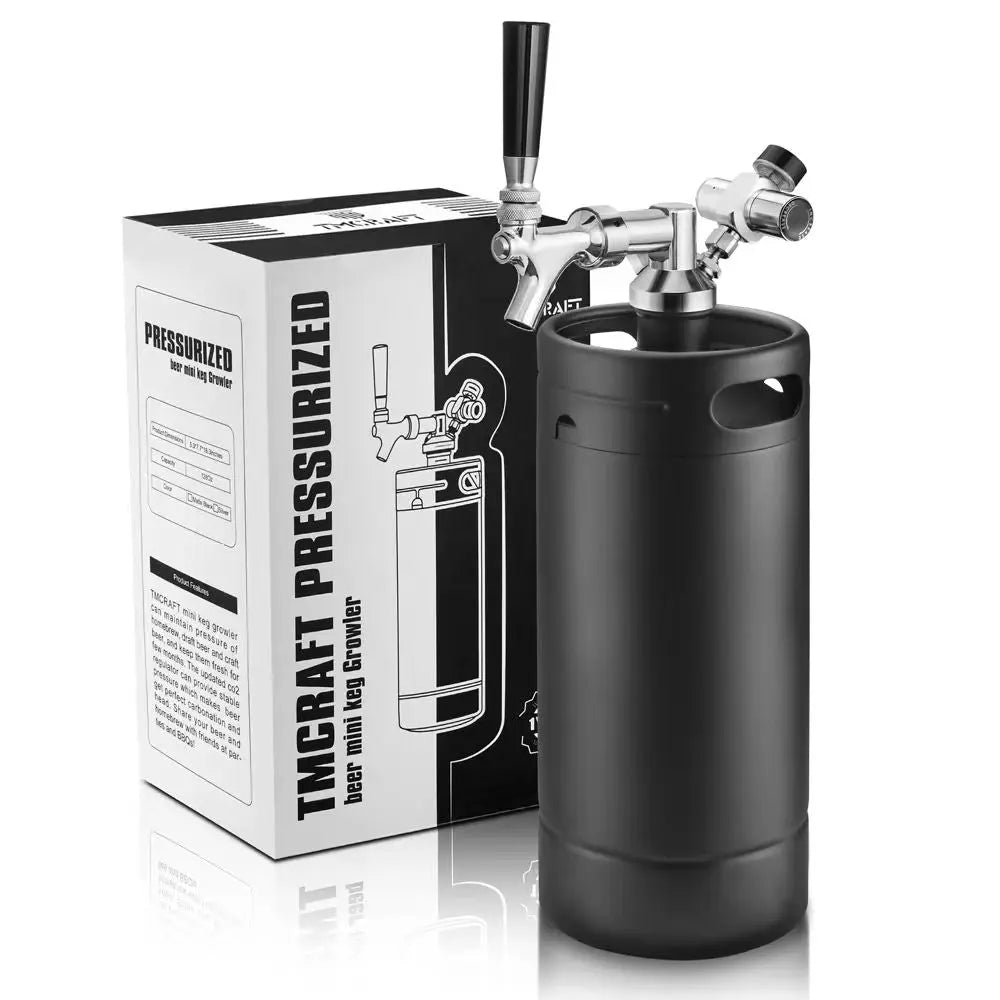
A coffee keg is a pressurized container designed to store and dispense cold brew coffee or nitro coffee using gas pressure. The system works similarly to beer draft systems but is adapted for coffee service.
Most coffee kegs are made from stainless steel and connect to a tap system through gas and liquid lines. Depending on the beverage style, the system may use:
- Nitrogen gas for nitro coffee
- CO₂ gas for lightly carbonated coffee drinks
- A nitrogen/CO₂ blend for specialty beverages
Because cold brew coffee is typically brewed in large batches, keg storage offers a more efficient alternative to individual bottles or pitchers.
Why Cold Brew Coffee Is Ideal for Keg Systems
Cold brew coffee naturally fits a keg dispensing system because of how it is produced.
Unlike hot brewed coffee, cold brew is steeped slowly in cold water for 12–24 hours, producing a smooth, low-acidity beverage. After brewing, the coffee concentrate must be stored properly to maintain flavor quality.
Using a coffee keg system offers several advantages:
Extended Freshness
A sealed stainless steel coffee keg protects the coffee from oxygen exposure, which can quickly degrade flavor.
Consistent Flavor
Kegs maintain stable storage conditions, ensuring the taste remains consistent from the first pour to the last.
Efficient Service
For cafés with high customer traffic, dispensing coffee from a tap is much faster than preparing individual drinks.
Scalable Production
Brewing large batches and storing them in cold brew coffee kegs allows businesses to manage production efficiently.
How Nitro Coffee Kegs Work
One of the most exciting developments in specialty coffee is nitro cold brew, which relies on nitro coffee kegs to create its signature texture.
Nitro coffee is infused with nitrogen gas, which produces a creamy mouthfeel and cascading visual effect similar to stout beer.
The Nitro Coffee Process
- Cold brew coffee is brewed in large batches
- The coffee is transferred into a nitro cold brew keg
- Nitrogen gas is applied using a pressurized regulator
- Coffee is dispensed through a stout-style faucet
When poured, nitrogen creates:
- A smooth, creamy body
- Tiny bubbles that enhance mouthfeel
- A naturally sweet perception without added sugar
This is why nitro coffee keg systems have become popular in cafés and taprooms around the world.
Stainless Steel Coffee Kegs: Why They Are the Industry Standard
Most professional coffee keg systems use stainless steel coffee kegs, and there are several technical reasons for this.
1. Flavor Protection
Stainless steel does not absorb flavors or odors, ensuring that the coffee remains pure and consistent.
2. Durability
Commercial beverage environments require equipment that withstands pressure, cleaning cycles, and transportation.
3. Easy Sanitation
A stainless steel coffee keg can be cleaned thoroughly using standard keg sanitation processes.
4. Pressure Resistance
Cold brew and nitro systems require reliable pressure control, which stainless steel handles safely.
Because of these advantages, stainless steel coffee kegs are widely used in cafés, breweries, and beverage production facilities.
Key Components of a Coffee Keg System
A complete coffee keg system includes several components that work together to maintain beverage quality.
Coffee Keg
The container that holds cold brew or nitro coffee.
Gas Cylinder
Nitrogen or CO₂ gas provides the pressure required to dispense coffee.
Regulator
Controls the gas pressure entering the keg.
Tap Faucet
Dispenses the coffee, sometimes using a nitro faucet for cascading foam.
Beverage Lines
Food-grade tubing connects the keg to the faucet.
When properly assembled, a coffee keg system provides consistent, efficient beverage dispensing.
Coffee Kegs in Cafés and Beverage Businesses
Many modern beverage businesses have adopted coffee keg systems because they simplify operations and improve beverage presentation.
Cafés
Nitro cold brew on tap has become a signature offering in specialty coffee shops.
Restaurants
Restaurants use cold brew coffee kegs to serve iced coffee quickly during busy service hours.
Breweries and Taprooms
Many breweries now offer nitro coffee alongside beer on tap.
Offices and Co-working Spaces
Companies use coffee keg systems to provide premium cold brew for employees.
These applications show how versatile coffee kegs can be in different beverage environments.
Coffee Keg Sizes and Capacity Options
Coffee kegs are available in several sizes depending on service volume.
Common options include:
| Keg Size | Typical Use |
|---|---|
| 1–2 gallon | Home coffee bars |
| 3 gallon | Small cafés |
| 5 gallon | Standard commercial use |
| 10 gallon+ | Large beverage production |
Selecting the right coffee keg size depends on how quickly the coffee will be consumed and how frequently new batches are brewed.
How Coffee Kegs Improve Beverage Consistency
Consistency is one of the most important reasons cafés adopt coffee keg systems.
With manual drink preparation, flavor can vary between batches or staff members. Keg systems reduce these variables.
Benefits include:
- Stable storage conditions
- Controlled gas pressure
- Uniform serving temperature
- Consistent pour volume
As a result, customers receive the same high-quality beverage every time.
Coffee Keg Maintenance and Cleaning
Proper cleaning is essential to maintain beverage quality and food safety.
Most stainless steel coffee kegs can be cleaned using the same process as beer kegs.
Typical steps include:
- Rinse the keg with warm water
- Apply a food-safe cleaning solution
- Rinse thoroughly
- Sanitize before filling with new coffee
Regular cleaning ensures that oils from coffee do not accumulate and affect flavor.
Why Coffee Kegs Are Growing in Popularity
The demand for coffee keg systems continues to grow as specialty beverage trends evolve.
Several factors drive this trend:
Rising Cold Brew Demand
Cold brew coffee consumption continues to increase globally.
Nitro Coffee Appeal
The creamy texture and visual presentation of nitro coffee attract customers.
Operational Efficiency
Keg dispensing reduces labor during busy service periods.
Beverage Innovation
Coffee kegs allow businesses to experiment with:
- Nitro tea
- Coffee cocktails
- Sparkling coffee beverages
This versatility makes coffee kegs a valuable tool for beverage innovation.
Choosing the Right Coffee Keg System
When selecting a coffee keg system, consider several factors.
Capacity
Choose a keg size that matches your daily coffee demand.
Material Quality
High-quality stainless steel coffee kegs provide the best durability and sanitation.
Gas Type
Decide whether your system will use nitrogen, CO₂, or both.
Compatibility
Ensure the keg works with your draft system fittings and connectors.
A well-designed coffee keg system improves workflow and ensures consistent beverage quality.
The Future of Coffee Keg Technology
As specialty coffee evolves, coffee keg systems are becoming more sophisticated.
New innovations include:
- Compact portable nitro systems
- Multi-tap cold brew stations
- Smart pressure regulators
- Hybrid coffee and beverage taps
These advancements will continue expanding the possibilities for kegged coffee beverages in cafés, restaurants, and home setups.
Final Thoughts
The rise of cold brew and nitro beverages has transformed how coffee is served, and coffee kegs are at the center of this shift.
By using a coffee keg system, cafés and beverage businesses can:
- Improve freshness and flavor stability
- Serve drinks quickly and consistently
- Offer visually appealing nitro beverages
- Scale production efficiently
From small cafés to large beverage operations, stainless steel coffee kegs provide a professional solution for modern coffee service.
As the demand for cold brew and nitro coffee continues to grow, investing in the right coffee keg system can help businesses deliver better beverages and a more memorable customer experience.
Link to: Why Mini Kegs Are Changing Home Draft Beer: The Science of Small-Batch Draft Storage