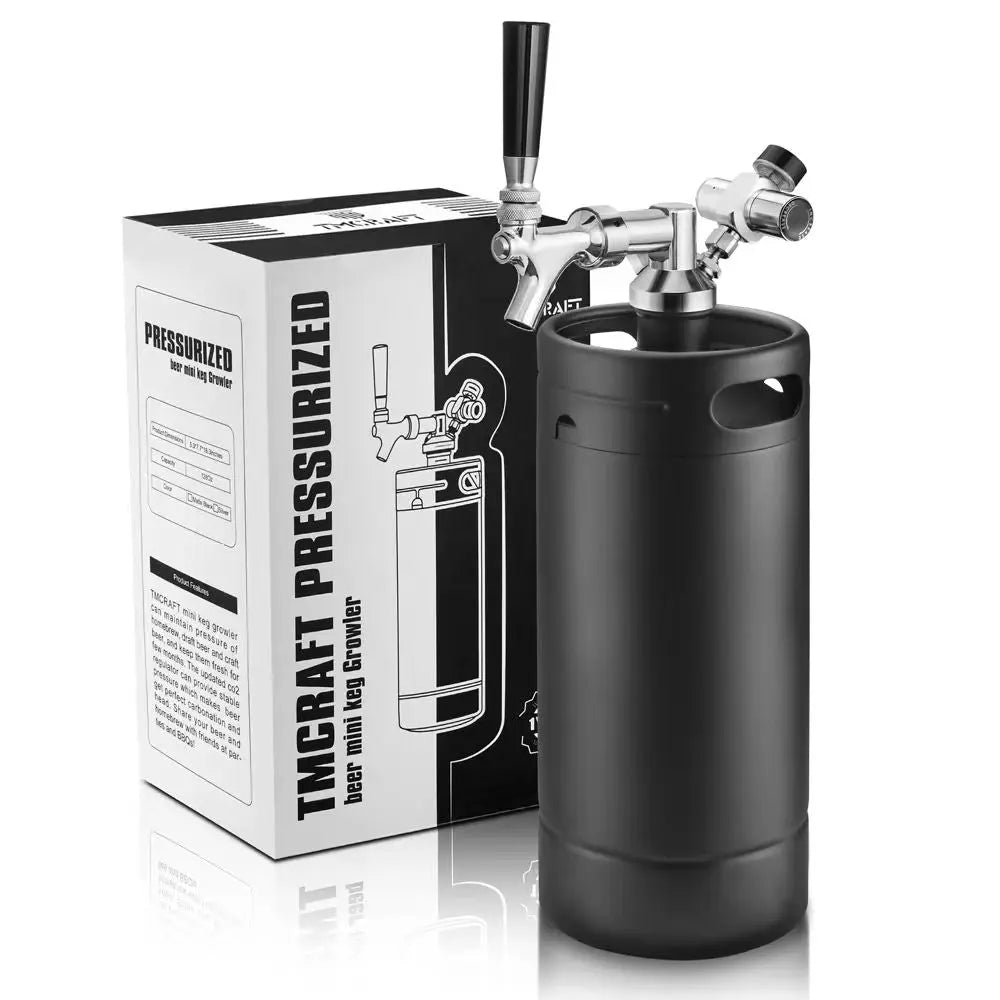


Can You Use a Mini Keg for Homemade Soda? A Beginner’s Guide to Carbonation
Homemade soda is a fun way to enjoy your favorite flavors at home. You can experiment with fruit, citrus, herbs, and different levels of sweetness. But once you have made a batch, how can you keep it bubbly and ready to serve?
A mini keg for homemade soda may be a practical option if you want to serve drinks from a tap instead of individual bottles. Before getting started, it helps to understand how carbonation works, which equipment you need, and how to keep your soda tasting fresh.
Can You Put Homemade Soda in a Mini Keg?
Yes, you can serve homemade soda from a mini keg when the keg is designed for pressurized beverage use and is compatible with your carbonation method.
However, not every mini keg works the same way. Some are designed mainly for storing and dispensing prepared beverages, while others support carbonation with compatible gas equipment.
Check the manufacturer's specifications before filling your keg. Confirm that the model is suitable for carbonated drinks and that its fittings, faucet, and pressure rating match your intended setup.
A suitable homemade soda keg can be useful for family gatherings, parties, or everyday drinks at home.
Choose Your Soda Recipe First
Before preparing your keg, decide what kind of soda you want to make.
You can start with a simple syrup made from sugar and water, then add lemon, lime, berry, or other flavorings. Another option is to use a prepared soda syrup designed to be mixed with carbonated water.
For beginners, making the flavored base separately can make it easier to control sweetness and flavor.
Remember that sugar and fruit particles may leave residue inside your equipment. If you make soda with fresh fruit or pulp, filter it appropriately before transferring it into the keg.
Understand the Carbonation Process
Carbonation happens when carbon dioxide dissolves into liquid. Temperature, pressure, and contact with the gas all affect how much carbon dioxide the liquid can hold.
Cold water generally absorbs carbon dioxide more effectively than warm water. Chilling your water before carbonation can therefore help you achieve a more consistent result.
Use a compatible carbon dioxide source, regulator, and connection system if your keg supports forced carbonation. Follow the equipment manufacturer's instructions and never exceed the keg's rated pressure.
If your mini keg is designed only for dispensing already-carbonated drinks, carbonate the soda separately using a suitable method before filling it.
Keep the Keg and Faucet Clean
Cleaning is especially important when serving homemade soda because sugary liquids can leave sticky residue.
After use, clean the keg, lid, faucet, and beverage lines according to the manufacturer's instructions. Pay attention to small openings where syrup or fruit residue may collect.
If residue dries inside the faucet, it can interfere with dispensing and affect the taste of your next batch.
A stainless steel keg, when properly manufactured for beverage use, can be a practical choice for repeated use. However, stainless steel does not eliminate the need for regular cleaning and inspection.
Keep Your Soda Cold
Cold soda is generally more refreshing and easier to serve consistently.
Keep your finished drink refrigerated as appropriate for its ingredients, and avoid leaving perishable homemade beverages at room temperature for extended periods. Fresh fruit and other additions may affect how the drink should be stored.
If you are preparing soda for a party, chill the beverage before serving and plan enough refrigerator space for the keg.
Common Mistakes to Avoid
A few simple mistakes can affect your results:
-
Using an unsuitable container: Only use a keg designed and rated for the intended pressure.
-
Carbonating warm liquid: Chill the liquid first when your carbonation method calls for it.
-
Adding too much fruit pulp: Particles can block faucets or make cleaning more difficult.
-
Ignoring sugary residue: Clean the keg and dispensing parts promptly after use.
-
Guessing the pressure setting: Follow the instructions for your specific keg and carbonation equipment.
Enjoy Homemade Soda on Tap
A mini keg can make homemade soda easier to serve and share. The key is choosing compatible equipment, preparing a consistent recipe, keeping the drink cold, and cleaning the system after use.
Whether you prefer citrus soda, berry flavors, or a classic sweet drink, a well-maintained mini keg for homemade soda can help make your home beverage setup more convenient. Start with a simple recipe, follow the equipment instructions, and adjust the flavor to suit your taste.
Link to: Can You Use a Mini Keg for Sparkling Water? What to Check Before You Start