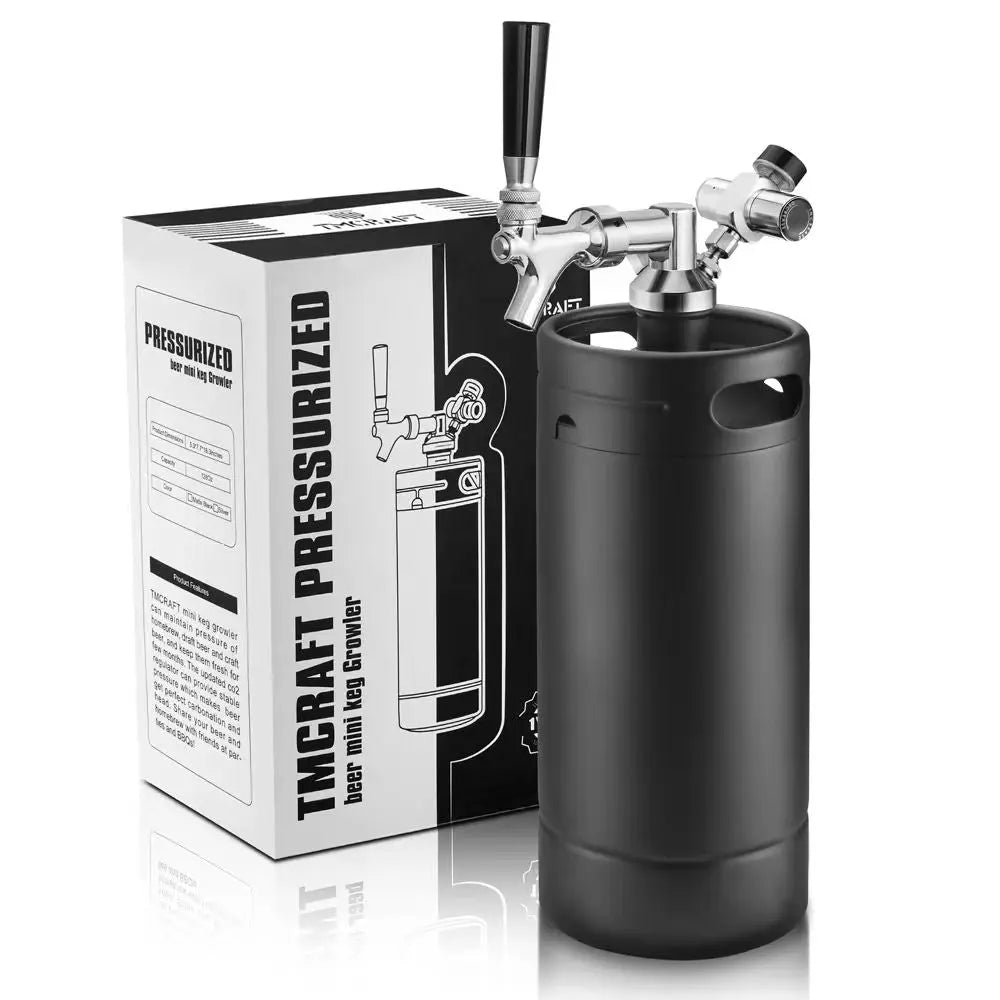


Ball Lock Kegs in Practice: Building a Reliable, Leak-Free Home Draft System
Keywords:
Ball Lock Keg, Kegging System, Homebrewing Equipment, CO₂ System, TMCRAFT Ball Lock Kegs
Introduction: Why Ball Lock Kegs Dominate Homebrewing
When homebrewers transition from bottling to kegging, ball lock kegs are almost always the system of choice.
Originally designed for soda distribution, ball lock kegs are now the backbone of modern home draft systems thanks to their:
- Secure quick-connect fittings
- Easy maintenance
- Excellent pressure control
- Compatibility with most homebrew equipment
This guide explains how to build a reliable, leak-free ball lock system using best practices and TMCRAFT Ball Lock Kegs.
What Makes Ball Lock Kegs Different?
Ball lock kegs use:
- A gas post (CO₂ in)
- A liquid post (beer out)
Each post uses a spring-loaded ball bearing connector that locks securely in place. This prevents accidental disconnection and pressure loss.
TMCRAFT Ball Lock Kegs are precision-machined for tight tolerances, reducing leaks common in cheaper systems.
Building a Leak-Free System: Step by Step
1. Start with Quality O-Rings
Most leaks come from worn seals.
TMCRAFT uses high-grade O-rings that:
- Seal consistently
- Resist drying
- Hold pressure long-term
Always lubricate with food-grade keg lube.
2. Balance Pressure Correctly
Improper pressure causes:
- Foam
- Flat beer
- Gas leaks
General serving pressure:
- Ales: 10–12 PSI
- Lagers: 12–14 PSI
TMCRAFT kegs are rated for stable pressure, making adjustments predictable.
3. Match Line Length to Pressure
Short lines = foam.
Use:
- 5–10 ft beer lines
- Smooth tubing
- Secure clamps
This ensures balanced flow from keg to faucet.
Cleaning & Maintenance Made Simple
Ball lock kegs are easier to clean than bottles.
Best practices:
- Rinse immediately after emptying
- Use PBW or brewery cleaner
- Fully disassemble posts quarterly
- Sanitize before refilling
TMCRAFT’s stainless steel interior resists residue buildup, saving time and effort.
Why TMCRAFT Ball Lock Kegs Stand Out
TMCRAFT Ball Lock Kegs offer:
- Thick stainless steel walls
- Strong welds
- Consistent post threading
- Universal compatibility
- Sizes for home and commercial use
This reliability is critical for brewers who keg regularly.
Final Thoughts
A ball lock keg system isn’t complicated—but quality matters.
With proper setup and TMCRAFT Ball Lock Kegs, you’ll enjoy:
- Leak-free operation
- Consistent pours
- Cleaner beer
- Faster packaging
For most homebrewers, ball lock kegging is the single biggest upgrade they ever make.