

Ball Lock Keg Mastery: Top Maintenance, Upgrades, and Pro Tips for Better Homebrews
SEO Focus: ball lock keg, keg upgrades, homebrew setup
For homebrewers who want fresher beer, better carbonation control, and cleaner pours, the ball lock keg remains the gold standard in kegging systems. But owning a great keg is only the first step—mastering it is what truly elevates your homebrew setup. Whether you're new to kegging or looking to improve your current system, the right maintenance habits and upgrades can make a dramatic difference in taste, clarity, and consistency.
This guide covers the essential maintenance routines, must-have keg upgrades, and expert-level tips to help you get the most out of your ball lock keg system.
1. Why Ball Lock Kegs Are a Homebrew Favorite
Before diving into maintenance and upgrades, it’s worth understanding why ball lock kegs remain the preferred choice for homebrewers:
- Reliable sealing and pressure control
- Easy disassembly for cleaning
- Universal compatibility with homebrew setups
- Stainless-steel durability
- Safe, secure gas and liquid connections
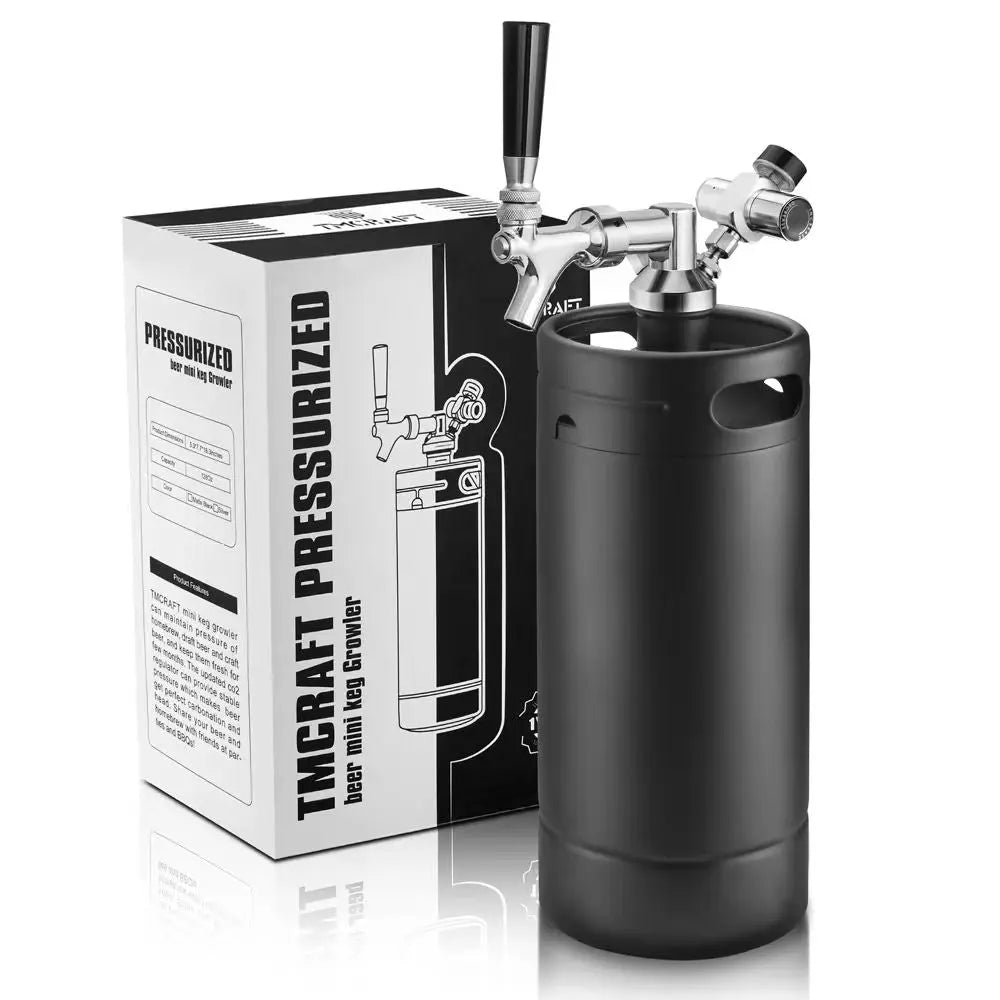
High-quality options like TMCRAFT Ball Lock Kegs offer commercial-grade construction designed to support long-term brewing and high-pressure performance—making them ideal for achieving bar-quality beer at home.
2. Essential Ball Lock Keg Maintenance
Proper keg maintenance ensures your beer stays fresh, clean, and free of off-flavors. Below are the foundational steps every homebrewer should follow.
Clean After Every Batch
Even a small amount of residual yeast or sugar can cause unwanted fermentation, cloudiness, or flavor issues.
Mandatory cleaning steps:
- Rinse the keg immediately after emptying
- Fill with warm water and brewery-safe cleaner
- Scrub posts and dip tubes
- Rinse thoroughly
- Sanitize before refilling
This simple routine prevents buildup and preserves beer flavor across batches.
Inspect and Replace O-Rings Regularly
Worn O-rings cause leaks, pressure loss, and carbonation problems.
Check these components:
- Gas post O-rings
- Liquid post O-rings
- Lid gasket
- Dip tube O-rings
Replacing them at least once a year keeps your ball lock keg airtight and efficient.
Keep Posts and Connectors Lubricated
Food-grade keg lubricant prevents sticking and ensures smooth operation—especially for frequent users. A small amount goes a long way and helps avoid wear on seals.
Sanitize Before Every Fill
Even if a keg is clean from storage, always sanitize right before filling to eliminate any traces of dust or airborne contaminants.
3. The Best Ball Lock Keg Upgrades for Better Performance
Upgrading your kegging equipment improves pour consistency, carbonation control, and overall reliability. Here are the top enhancements for any homebrew setup:
Upgrade #1: High-Precision CO₂ Regulator
A good regulator gives you precise pressure control for:
- Carbonation
- Serving
- Pressure transfers
If your pours are inconsistent, upgrading the regulator is the first step.
Upgrade #2: Stainless Steel Disconnects
Plastic disconnects work—but stainless steel lasts longer and is more resistant to leaks and pressure issues. They’re a smart long-term investment.
Upgrade #3: Floating Dip Tube
A floating dip tube pulls beer from the top, where it's clearest.
Benefits:
- Less sediment
- Cleaner pours
- Better clarity
Perfect for hazy or dry-hopped beers.
Upgrade #4: Pressure Relief Valve (PRV) Enhancements
A high-quality PRV allows safer and more accurate venting, helping you avoid over-carbonation.
Upgrade #5: Beer Line Length Adjustments
The right line length reduces foaming and improves flow control.
For most homebrew setups:
- 8–12 feet of 3/16" line works best
4. Pro Tips: Brewing & Serving Like a Draft Master
Once your keg is clean and upgraded, these expert techniques will bring your homebrew setup to the next level.
Tip 1: Cold Crash for Clearer Beer
Lower your beer to near-freezing temperatures before transferring to the keg.
This:
- Drops sediment
- Reduces haze
- Improves flavor stability
Tip 2: Purge Oxygen—Every Time
Oxygen ruins beer.
Before filling:
- Pressurize the keg with CO₂
- Vent through PRV
- Repeat 3–5 times
This "CO₂ blanket" protects your homebrew from oxidation.
Tip 3: Use Set-and-Forget Carbonation
Instead of shaking your keg, attach CO₂ at:
- 10–12 PSI for most ales
- 12–16 PSI for lagers or crisp beers
Let it sit for 48–72 hours.
The result: more balanced carbonation and fewer foam issues.
Tip 4: Serve at the Right PSI
Most beers pour perfectly at 8–12 PSI.
Start at 10 PSI and adjust based on:
- Foam
- Flow rate
- Beer style
Tip 5: Keep the Entire System Cold
Warm beer → foam
Warm lines → foam
Warm keg → foam
Keeping your entire draft setup chilled ensures smoother, more consistent pours.
5. Building a Better Homebrew Setup with TMCRAFT Ball Lock Kegs
For brewers seeking durability, precision, and long-term reliability, TMCRAFT Ball Lock Kegs provide features like:
- 304 stainless steel
- Standard ball lock posts
- Smooth-weld interiors
- Pressure-tested sealing
- Easy cleaning and upgrades
Whether you’re replacing old soda kegs or building your first kegging system, choosing high-quality equipment gives you cleaner beer and a more enjoyable brewing experience.
Conclusion: Master Your Ball Lock Keg for Better Homebrew
A well-maintained and properly upgraded ball lock keg can completely transform your homebrew setup. With clean equipment, smart upgrades, and pro-level serving techniques, you’ll enjoy beer that tastes fresher, pours smoother, and stays consistent from the first glass to the last.