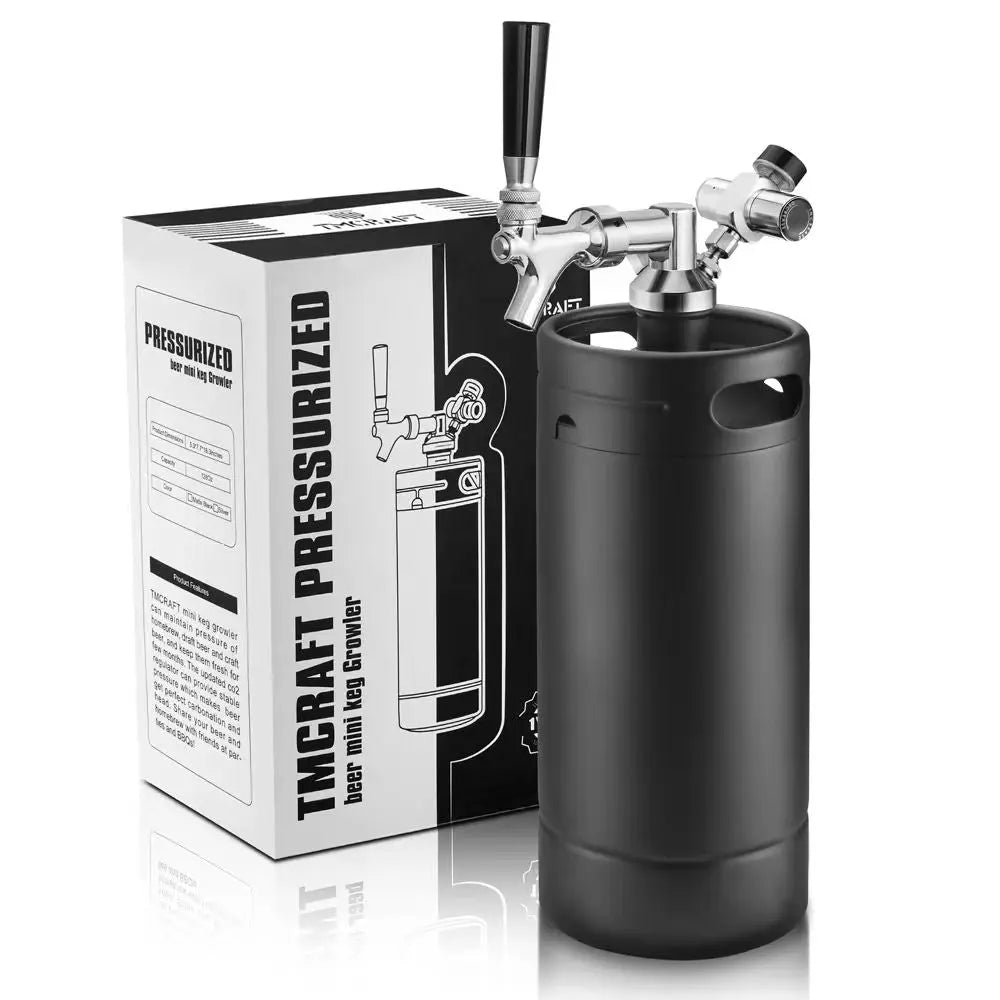


Ball Lock Keg Mastery: Pro Tips for Clean Lines and Consistent Pours
Keywords: Ball Lock Keg, Kegging System, CO₂ System, Homebrewing Equipment, TMCRAFT Ball Lock Kegs
Perfecting Your Pour Starts with a Clean Keg
For homebrewers, few moments are as satisfying as that first perfect pour—cold, carbonated, and crystal clear. But even the best recipes can fall flat if your ball lock keg system isn’t clean or properly balanced. Over time, buildup in beer lines, uneven CO₂ pressure, and temperature swings can compromise both flavor and consistency.
That’s why mastering keg maintenance and line cleaning is key to getting brewery-level results at home. With TMCRAFT Ball Lock Kegs, you’re already equipped with durable stainless-steel hardware and precision-sealed fittings—but the magic lies in how you use and maintain them.
Step 1: Clean Lines, Better Beer
Every pint you pour travels through the same path—dip tube, disconnect, and beer line. If that pathway isn’t spotless, old yeast and residue can alter taste and aroma.
After every few fills, rinse your ball lock keg with warm water, then flush with a no-rinse sanitizer. For the beer lines, use a keg line cleaning kit or a dedicated TMCRAFT cleaning keg to push sanitizer through your draft system under pressure.
A simple rinse won’t cut it—cleaning under CO₂ ensures every valve and line interior stays contamination-free. Consistent cleaning equals consistent flavor.
Step 2: Balance Your CO₂ System
The second secret to perfect pours is mastering pressure balance. Too much CO₂ leads to foam; too little leaves your beer flat. For most homebrews, 10–12 PSI at 38°F is the sweet spot. Adjust your TMCRAFT regulator gradually and give your beer 24–48 hours to fully carbonate before serving.
If you notice inconsistent pours, check for leaks around the posts or disconnects. A small spritz of soapy water will reveal escaping gas bubbles—tighten your fittings and replace worn-out O-rings as needed.
Step 3: Maintain Temperature Stability
Beer reacts quickly to temperature fluctuations. Warm lines or faucets can cause foaming even with perfect CO₂ levels. Keep your ball lock keg and lines chilled consistently. When serving outdoors or in warmer environments, use an insulated sleeve or cooler setup to keep temperatures steady from keg to tap.
Pro tip: Run a short beer line (5 feet or less) for better control and less pressure loss in small home setups.
Step 4: Sanitize After Every Pour Session
After the last pour, don’t wait until your next batch to clean. Fill your keg with warm water and sanitizer, pressurize it lightly, and dispense through the faucet. This keeps residue from hardening and makes your next setup quick and hassle-free.
A quick post-use rinse routine not only preserves your keg’s longevity but also ensures that every future beer tastes just as crisp and fresh as your last one.
Step 5: Upgrade Your Setup for Pro Results
Small improvements make a big difference. A few worthwhile upgrades include:
- Pressure relief valve caps for precise venting
- Gas-in quick disconnects with check valves to prevent backflow
- TMCRAFT replacement seals and posts for long-term durability
Together, these accessories elevate your homebrewing equipment into a pro-level draft system that delivers reliable, repeatable pours every time.
Final Pour: Clean Gear, Clean Beer
Your beer deserves a clean, balanced system. With TMCRAFT Ball Lock Kegs, it’s easy to maintain that professional edge—tight seals, steady pressure, and stainless-steel performance built to last. A clean line and dialed-in CO₂ system don’t just keep your beer tasting great—they make every pour feel like it came straight from a brewery tap.
Upgrade your setup today with TMCRAFT Ball Lock Kegs—built for homebrewers who pour like pros.